
Choosing memory care for someone you love is one of the most emotionally charged decisions a family can face. Whether your parent, spouse, or grandparent has been diagnosed with Alzheimer’s disease or another form of dementia, knowing how to choose a memory care facility means balancing safety, clinical needs, emotional well-being, and financial realities. This guide walks you through a structured approach to help you make an informed, confident choice.
Key Takeaways
- Choosing memory care starts with a clear picture of your loved one’s clinical needs, safety risks, and behavioral changes, before you tour any communities.
- Staff training in dementia care, individualized care plans, and strong programming consistently separate high-quality memory care from the rest.
- Memory care costs in 2026 range widely, from about $6,700 to $15,000+ per month; premium, purpose-built, all-inclusive communities and higher-cost regions sit at the upper end, so compare what each rate actually includes.
- Online research is only a starting point. In-person tours at different times of day, unannounced visits, and direct questions to staff and residents are essential.
- Planning before a crisis gives families more options and prevents rushed decisions.
Understanding Memory Care and When It’s Time
A memory care community is a secure, specialized residential setting designed specifically for people living with Alzheimer’s disease and other dementias. Unlike standard assisted living, memory care combines 24/7 supervision, structured routines, and dementia-specific programming to reduce agitation, wandering, and confusion. Predictable routines help ease stress and support quality of life.

Recognizing when it is time can be difficult. Early signs include increasing forgetfulness, misplacing items, and trouble managing daily tasks; it is often a good time to begin planning the transition. Later signs that frequently signal the need for professional care include:
- Repeated wandering outside the home
- Medication mistakes or missed doses
- Significant weight loss or poor nutrition
- Frequent falls or mobility issues
- Aggressive outbursts that the family can no longer manage safely
Because dementia is progressive, planning before a crisis lets families research options, tour communities, and involve their loved one in decisions while they can still express preferences. The right setting can improve quality of life through social activities, predictable routines, and professional care, rather than constant crisis management at home.
Determining Your Loved One’s Needs and Priorities
Every person with dementia has a different mix of medical, behavioral, and emotional needs. Before contacting communities, create a written profile that captures your loved one’s situation.
Clinical factors to document:
- Stage of Alzheimer’s disease or dementia type
- Mobility level and fall risk
- Incontinence care requirements
- Comorbid conditions such as diabetes, heart disease, Parkinson’s disease, or stroke history
- Need for two-person transfers or specialized medical services
Behavioral and cognitive considerations:
- Wandering risk and exit-seeking behavior
- Hallucinations or delusions
- Sundowning, or increased evening confusion
- Sleep disturbances
- Resistance to bathing or personal care
- History of aggression toward caregivers
Lifestyle and personal preferences:
- Language and cultural needs
- Religious practice and spiritual support
- Preferred daily schedule
- Love of music, gardening, or other hobbies
- Desire for a private room versus a shared space
- Sensitivity to noise or crowds
Use this profile to rank your priorities, such as safety, proximity to family, specialized dementia therapies, and end-of-life capabilities, when comparing communities.
Evaluating Quality of Care and Staff Expertise
The quality of dementia care depends primarily on staff training, experience, and consistency, not just the building. A lower staff-to-resident ratio often signals higher-quality care, allowing more individualized attention.
Staff should be specially trained in dementia care, including understanding challenging behaviors and leading therapeutic activities. When touring, ask specific questions:
- How many hours of dementia-specific training are required each year?
- What topics are covered (de-escalation, communication techniques, behavior management)?
- Do all staff, including housekeeping and dining, receive this training?
- Is the same caregiver assigned to residents for consistency?
Ongoing staff education in memory care techniques is crucial for maintaining high standards.
Observe interactions during tours:
- Are caregivers calm and respectful?
- Do they use residents’ names and make eye contact?
- Do they crouch to eye level when speaking?
Ask about care plans: who develops them, how often they are updated (typically every 60 to 90 days or after major changes), and how families are included in care-planning meetings. Communities that encourage family participation tend to deliver better care and stronger emotional support.
Safety, Environment, and Daily Life in a Memory Care Community
People with dementia need both safety and familiarity. The ideal community feels homelike rather than institutional while staying secure. The physical environment should be safe, clean, and designed to minimize confusion, with features like handrails, non-slip flooring, and clear signage to aid navigation.
Safety features often include motion-sensor technology, secured windows, and keypad doors to support residents who may wander.
Key environmental features to evaluate:
- Secured exits with keypad or delayed-egress doors
- Wander-management systems and motion sensors
- Good natural lighting in suites and throughout the building
- Clearly labeled rooms with picture icons for those with reading difficulties
- Looping walking paths that allow safe, dignified wandering
- Clean common areas with minimal institutional odor
Outdoor access matters for mood and sleep. Look for secure courtyards, walking paths, and shaded seating where residents can enjoy fresh air safely.
Daily life in a strong community includes structured activities, consistent meals and rest times, quiet spaces for easily overstimulated residents, and meaningful engagement. Ask how many meals are served daily and whether dietary needs can be accommodated.
Activities, Therapies, and Social Engagement
Therapeutic activities and social connection are core to high-quality dementia care. Regular, structured activities, including social time, gentle exercise, and cognitive games, help support cognitive function and emotional well-being.

Communities often offer gardening, art and craft projects, cognitive games, exercise sessions, music and singing, and reminiscence activities. Programming should be tailored to residents’ interests and abilities. Look for:
- Small-group formats with adaptable difficulty
- Flexible schedules that account for sundowning or midday fatigue
- One-on-one engagement for residents who don’t thrive in groups
- Community events that bring variety
During tours, ask for a sample weekly activity calendar and watch whether residents seem engaged and calm rather than withdrawn or restless. The best programs consider each resident’s history: a former teacher might enjoy reading groups, while a former gardener may prefer tending plants.
Costs, Contracts, and Long-Term Planning
Memory care is typically more expensive than independent or standard assisted living because of higher staffing, extensive programming, and specialized care. Costs vary widely by region, care level, and amenities. National figures are often quoted at around $6,700 per month, but that understates costs in higher-cost regions like Massachusetts and the South Shore, and it reflects base rates that may exclude services that premium communities include. Purpose-built, all-inclusive memory care commonly runs well into five figures per month.
For context, the Alzheimer’s Association reports the average annual cost of a U.S. nursing home at $129,575 for a private room and $114,975 for a semi-private room.
What is typically included in base fees:
- Housing and utilities
- Meals and housekeeping
- Basic activities and 24/7 supervision
- Some level of personal care
Common additional costs in tiered models:
- Higher levels of personal care
- Medication management
- Incontinence supplies
- Transportation to medical appointments
This is where pricing structure matters most. Ask whether a community’s pricing is all-inclusive or tiered by care level, and how rate increases are handled. All-inclusive pricing keeps costs predictable and avoids the add-on creep that tiered models accumulate as needs grow. Common funding sources include private savings, long-term care insurance, veterans’ benefits, and, in some states, Medicaid waivers; Medicare generally does not cover room and board in memory care.
For long-term planning, ask whether the community supports care as the condition progresses, what happens if your loved one needs skilled nursing, and how it coordinates hospice and end-of-life care. If you would like a clearer picture of how to fund care, The Cordwainer’s free Cost Readiness Quiz offers a personalized funding guide at planning.cordwainermemorycare.com.
Family Involvement, Communication, and Culture Fit
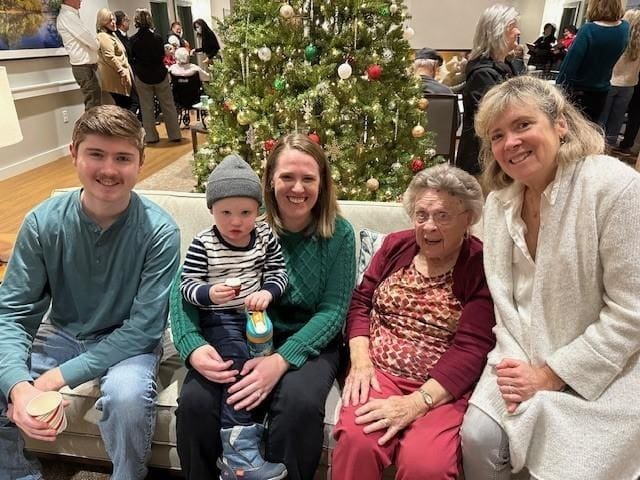
Strong family involvement and clear communication are essential to good outcomes and your peace of mind. Family participation enriches the experience for everyone, allowing meaningful connections beyond caregiving. Many communities offer scheduled updates or digital portals to keep families informed. Ask about:
- Visiting hours and policies
- Options for shared meals with residents
- Participation in activities and special events
- Scheduled care conferences and regular updates
- How quickly staff contact family about falls, illness, or behavior changes
Evaluate cultural and emotional fit. Does the community’s size, atmosphere, language options, and orientation match your family’s values and your loved one’s background? Trust your instincts. If staff seem rushed, residents appear distressed, or questions about care plans go unanswered, it may not be the right community.
Practical Steps for Choosing a Memory Care Facility
Here is an actionable roadmap for narrowing options and making a final decision:
- Create a shortlist of communities within a realistic driving radius
- Check online reviews and state inspection reports
- Verify licensing and certification with your state health department
- Schedule multiple visits at different times of day, including mealtimes and evenings
- Prepare a written checklist covering care plans, staff training, safety, dementia therapies, pricing, and family involvement.
Take detailed notes during or right after each tour, watching staffing levels, resident engagement, and the overall energy of the community. Compare options side by side with other family members; a simple comparison chart helps, and aim for both safety and a quality of daily life that genuinely suits your loved one.
Q&A: Common Concerns About Choosing Memory Care
These questions address frequent, practical concerns families raise.
How do I talk with my loved one about moving to memory care?
Use reassuring language focused on safety and continued support rather than loss. Involve your loved one early when possible, visit communities together, and let them weigh in on room choice or activities. A gradual transition, such as a short respite stay, can build comfort. Focus on how the right community supports their well-being and reduces stress for everyone.
How far in advance should I start looking?
Many communities maintain waitlists, so starting 3 to 6 months before an anticipated need helps you avoid crisis placement and gives time to compare options.
What if family members disagree about the decision?
Disagreements among siblings are common. Consider a family meeting with input from your loved one’s health care providers; a physician, neurologist, or geriatric care manager can offer objective guidance. Centering the conversation on the loved one’s safety and quality of life often builds consensus.
What should I expect during the first 30 to 60 days after move-in?
Some adjustment is normal. A good care team supports the transition with consistent routines and patience. We recommend families give their loved one time to adjust and not visit so frequently in the beginning, as this can undermine the process if the loved one keeps complaining about everything, and the family feels guilty. Having time to adjust before frequent visits seems to work best.
FAQ About How to Choose a Memory Care Facility for Your Parent
These cover additional concerns not fully addressed above.
When you choose a memory care facility, how should it handle medical emergencies?
Most have clear emergency protocols, including on-site nursing, partnerships with local hospitals, and defined communication procedures. Ask about emergency response times. Reputable communities train caregivers in emergency procedures and maintain relationships with health care providers.
What happens if my loved one’s dementia gets much worse after moving in?
Reputable communities regularly reassess residents and adjust care plans as the condition progresses, increasing support, adding services, or enhancing coordination. If a higher level of care or hospice is needed, the community should alert the family and help with the transition rather than simply discharging the resident.
Can a memory care community ask a resident to leave?
Yes. A community can discharge a resident if it can no longer meet their needs safely, for example, with uncontrolled aggression or complex medical needs beyond its license. It must follow state regulations and typically works with families to find an appropriate alternative, whether adult day care, skilled nursing, or another community.
How often should I visit my loved one in memory care?
In the first few weeks, it helps to give your loved one some space to settle in, meet new neighbors, and find their footing in their new home. Once they’ve had a chance to adjust, typically around the 30 to 60 day mark, you can begin visiting more regularly. A sustainable rhythm for many families is weekly visits supplemented by phone or video calls. Varying your visit times also lets you see different parts of the day, from activities and programming to resident engagement.
Do memory care communities accommodate different dietary needs?
Most quality communities accommodate a range of diets, including diabetic, cardiac, pureed, or culturally specific meals. Ask how many meals are served, whether snacks are available, and how dietary restrictions are communicated to dining staff. Good nutrition plays a real role in health and well-being for people with memory loss.
When you are ready to see what dedicated memory care looks like in person, The Cordwainer in Norwell, MA, welcomes families to schedule a tour, and you can explore more guidance anytime in our online Resource Hub.