
A memory care sensory garden is more than a beautiful courtyard. It’s a purpose-designed outdoor space that becomes a daily therapeutic tool for individuals living with dementia. At The Cordwainer in Norwell, Massachusetts, we’ve seen how these intentionally designed spaces transform the daily experience of residents and their families.
Key Takeaways
- A sensory garden specifically supports memory care residents by engaging multiple senses and prompting positive memories through familiar scents, textures, and sounds that remain accessible even when short-term memory is impaired.
- Well-designed dementia gardens reduce anxiety, support gentle physical activity, and improve sleep patterns, mood, and social connection for residents.
- Safe, accessible layout with loop pathways, seating, and shade is as critical as plant selection in memory care sensory gardens.
- Nature-based activities in these gardens help families and caregivers connect with their loved ones in calm, meaningful ways.
- The Cordwainer uses its sensory garden as a daily therapeutic tool within its comprehensive memory care program.
What Is a Memory Care Sensory Garden?
A memory care sensory garden is a purpose-designed outdoor space tailored to stimulate all five senses-sight, smell, touch, hearing, and sometimes taste. Unlike a typical ornamental garden focused on aesthetics, every element serves a therapeutic purpose for residents with dementia.
These dementia gardens are designed specifically for people living with Alzheimer’s disease and related dementias, including those in early and moderate stages. Natural environments like sensory gardens provide brain stimulation through multiple sensory pathways, activating different areas of the brain simultaneously, which can enhance cognitive function in individuals with dementia.
The gardens combine plants, textures, sounds, and safe walking paths to offer gentle sensory stimulation without overwhelming residents. Key elements include aromatic plants, tactile surfaces, soothing sounds, vibrant visual displays, and safe, accessible pathways. These gardens are usually enclosed and feature non-toxic, thorn-free plants that are safe for wandering residents.
Sensory stimulation outdoors helps anchor residents in the present moment, reducing confusion and encouraging positive memories rooted in past experiences from earlier life.
Why Sensory Gardens Matter in Memory Care
Recent research confirms what caregivers observe daily: nature-based activities lead to measurable improvements in dementia care. Studies show reduced agitation, better sleep, and improved mood among residents who regularly spend time in natural settings.
Familiar outdoor sensory experiences-the smell of herbs, the sound of songbirds, the feel of natural light, and the breeze-can trigger positive memories from earlier life. Sensory gardens can stimulate positive memories through familiar scents, such as lavender and roses, which may evoke nostalgia and encourage storytelling or emotional responses in individuals with memory loss. Engaging in gardening activities within sensory gardens can help individuals with dementia recall past experiences and memories, as they connect with familiar tasks such as planting or harvesting.
Gentle physical activity in the garden supports physical health significantly. Engaging in gentle physical activity, such as walking through a sensory garden, promotes physical health by improving blood flow, joint flexibility, and balance for individuals in memory care. Short walks, stretching, and light gardening contribute to circulation and joint mobility.
The emotional wellness benefits are equally powerful. Connecting with nature in sensory gardens can significantly reduce stress and anxiety, providing a calming environment for individuals in memory care. Families notice fewer behavioral outbursts, more smiles, and a calmer daily rhythm. Sensory gardens can improve sleep patterns for individuals with Alzheimer’s and dementia by providing calming spaces and exposure to natural light, which helps regulate sleep cycles. Exposure to natural light and fresh air during the day helps regulate the body’s circadian rhythm, which aids sleep quality.
Memory care communities like The Cordwainer treat the sensory garden as a core therapeutic space rather than simply a decorative courtyard.
Design Principles for Dementia-Friendly Sensory Gardens
Safety, clarity, and comfort guide every design choice in a memory care sensory garden. The goal is to create safe spaces where residents can engage with nature without risk.
Continuous loop pathways with no dead ends prevent confusion and allow residents to walk freely. The design of sensory gardens should incorporate wide, flat walkways to accommodate walking aids and ensure that users can safely navigate the space while engaging with sensory elements. Level walkways with non-slip surfaces accommodate walkers and wheelchairs side by side.
Clear visual cues help residents navigate independently. Distinctive trees, sculptures, colorful flowers, and bird feeders serve as landmarks. These visual interest points help residents recognize where they are within the garden space.
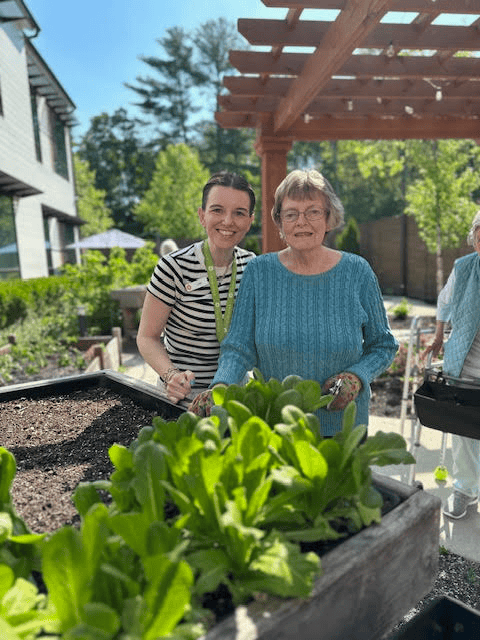
Effective memory care gardens prioritize both accessibility and safety, featuring raised garden beds for wheelchair users and clear pathways with non-slip surfaces. Raised beds allow residents in wheelchairs to engage with plants at comfortable heights. Secure fencing or hedging provides subtle but effective boundaries to prevent wandering while maintaining an open feel.
Comfortable and shaded seating areas are provided throughout the garden to facilitate rest and socialization. Benches with armrests appear every 20-30 feet along the loop, positioned in both sunny and shaded spots.
Plants and Features That Engage Multiple Senses
Plant selection in dementia gardens focuses on safety, familiarity, seasonal interest, and multi-sensory appeal. Successful sensory gardens include plants chosen specifically for their ability to engage different senses safely.
For sight, create visual interest with color contrasts and bold shapes. Bright marigolds, sunflowers, ornamental grasses, and seasonal tulips or daffodils work well in Wisconsin’s temperate climate. Colorful flowers create visual interest throughout growing seasons, enhancing the sensory experience. Movement from grasses swaying in the breeze captures attention naturally.
Smell creates powerful memory connections. Fragrant herbs like lavender, rosemary, and mint can trigger positive memories while providing pleasant aromas. Old-fashioned roses evoke nostalgia for many residents. Incorporating aromatic herbs and scented flowers ensures that sensory gardens appeal to all the senses, providing a rich environment.
For touch, textured plants with soft leaves invite gentle touch. Lamb’s ear with its fuzzy leaves, velvety sage, feathery dill, and smooth river stones, encourages safe exploration. Avoid thorny or sharp plants within reach.
Sound elements include rustling ornamental grasses, wind chimes placed away from bedrooms, and a small fountain. Bird-friendly plantings invite songbirds, adding natural melody to the space. Water features provide soothing background sound that many residents find calming.
For taste, include non-toxic, clearly labeled edible areas in raised beds. Cherry tomatoes, strawberries, basil, chives, and blueberries offer safe opportunities for sensory engagement with strict staff supervision.
Nature-Based Activities in a Memory Care Sensory Garden
The garden becomes a living activity room where staff adapts nature-based activities to different cognitive and physical abilities among residents.
Gentle physical activity options include guided walks along the loop, simple stretching at a handrail, or seated exercises on a bench. Simply sitting in fresh air and natural light provides benefits for those with limited mobility.
Sensory-focused programs might include “scent tours” where residents smell aromatic herbs, color walks finding all yellow flowers, or sound observation sessions listening for birds and water features. These activities engage sight, smell, and hearing without requiring complex instructions.
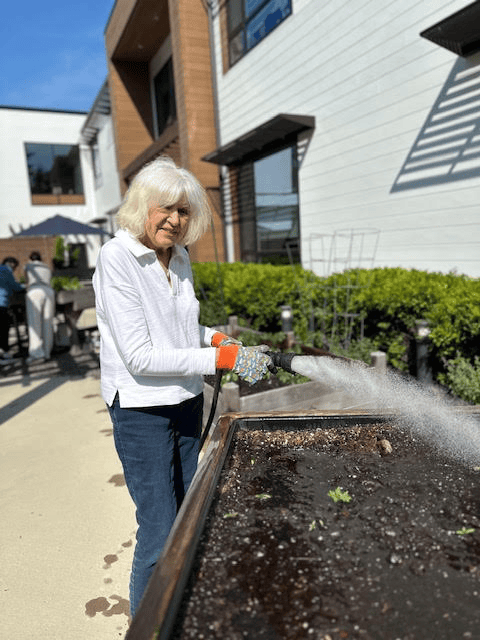
Meaningful, low-pressure gardening activities help residents feel purposeful. Watering containers, deadheading flowers, snipping herbs, or filling bird feeders connect residents with familiar tasks. Garden spaces create natural opportunities for social interaction during group activities, allowing residents to share memories about their own gardens or growing up on farms, fostering meaningful connections with others.
Social connection flourishes outdoors. Small-group conversations, reminiscence sessions about past experiences with gardens, outdoor music, or painting sessions inspired by flowers, all strengthen community engagement. Sensory gardens provide natural opportunities for people to connect, whether it’s sharing a bench, pointing out a flower that is in bloom, or joining in light activity.
Seasonal traditions reinforce time awareness: spring planting day, summer lemonade in the garden, autumn leaf appreciation, and winter evergreens in pots brought outdoors on mild days.
Supporting Families and Caregivers Through the Garden
Memory care sensory gardens are therapeutic, providing a peaceful and safe outdoor environment that fosters engagement and joy for individuals with dementia-and for their families too. Many families find that visits improve dramatically when held in the garden rather than indoors.
The calming environment of well-designed gardens often helps reduce anxiety and creates peaceful spaces for both residents and visiting families, promoting social connection through shared outdoor experiences. Families can connect with their loved ones through simple shared activities like smelling marigolds, watching birds, or feeling the texture of lamb’s ear together.
Staff use the garden strategically to reduce challenging behaviors. A quiet walk or a few minutes by a water feature often calms agitation before medication becomes necessary. This benefits both residents and caregivers, reducing stress on everyone involved.
Outdoor visits give families positive, peaceful memories to hold onto. Rather than struggling through difficult indoor conversations, families create moments of genuine connection in natural settings. Combat isolation becomes easier when the environment supports rather than challenges communication.
Q&A: Common Questions About Memory Care Sensory Gardens
How often do residents typically use the sensory garden?
At The Cordwainer, residents visit the sensory garden multiple times weekly, with brief daily visits when weather permits. Morning and late afternoon visits are most common, avoiding midday heat in summer. Even spending time outdoors briefly provides a measurable benefit to mood and energy levels.
What safety measures protect residents in the garden?
The garden features secure perimeters, non-toxic plants throughout, non-slip level surfaces, and frequent seating with armrests. Staff supervision is always present. Clear sightlines allow monitoring from indoor spaces.
Can family members participate in gardening activities?
Absolutely. The Cordwainer encourages families to join their loved ones for gardening activities, sensory walks, or simply sitting together on a bench. These shared experiences often become the most meaningful part of visits.
What happens during colder months or rainy days in Norwell, Massachusetts?
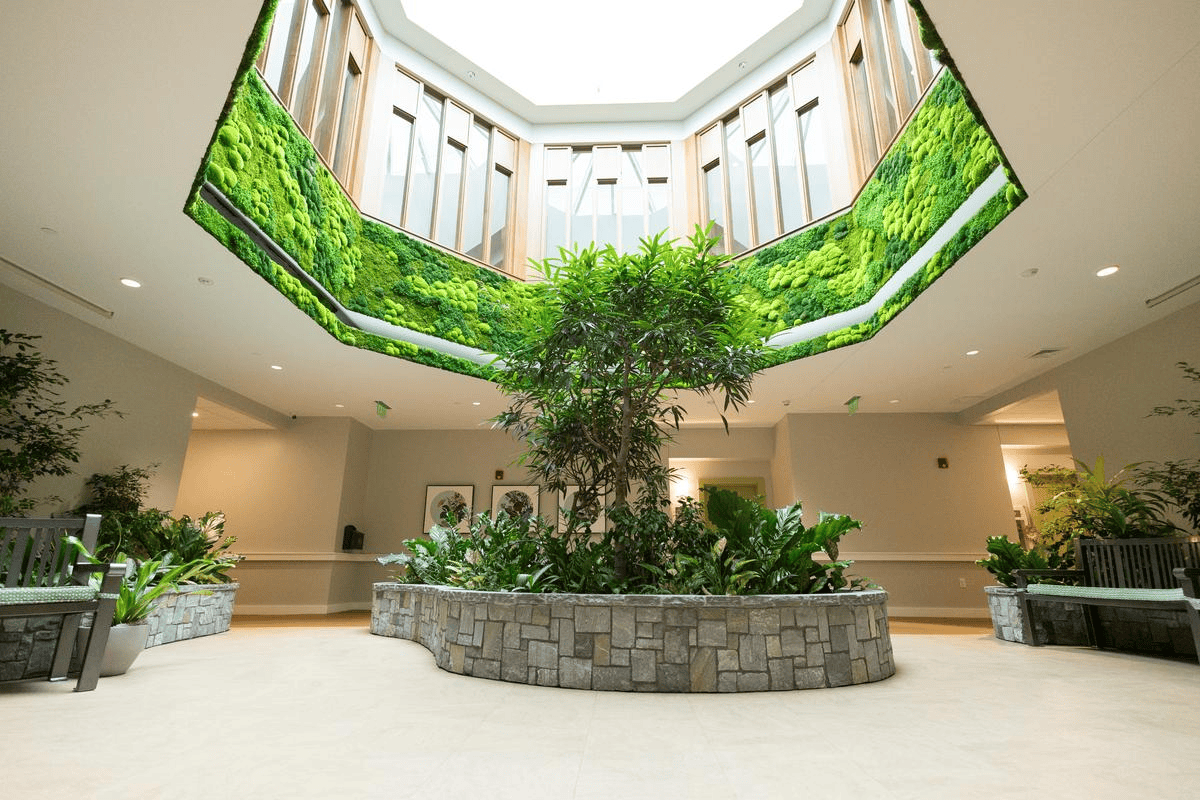
Winter interest plants like evergreens and bright berries maintain visual appeal in the outdoor garden on mild days. Inside, the dedicated sensory garden provides year-round engagement regardless of weather, offering a rich connection to nature through touch, scent, and sight. Potted aromatic herbs bridge both spaces, moving indoors with the seasons to extend sensory experiences throughout the year.
How The Cordwainer Integrates Its Sensory Garden Into Daily Memory Care
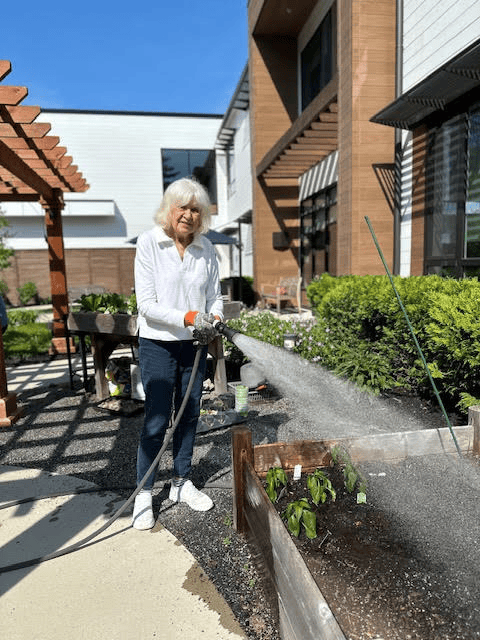
At The Cordwainer, the sensory garden weaves into daily routines rather than serving only for special events. Staff schedules predictable garden times-morning light walks, midafternoon quiet time, early evening strolls in warm months-to support circadian rhythms and emotional wellness.
Weekend nature-based activities include herb harvesting for kitchen use, bird-watching clubs, and seasonal planting projects. Staff receive training in dementia-friendly communication outdoors, recognizing signs of fatigue or overstimulation, and adapting activities to each resident’s abilities and focus level.
We invite families to tour our sensory garden and see how it supports memory care in practice. Contact The Cordwainer to schedule a visit and experience how nature becomes part of daily therapeutic care for your loved one.
FAQ About Memory Care Sensory Garden
What is the difference between a memory care sensory garden and a regular courtyard?
A sensory garden is intentionally designed for therapeutic sensory stimulation with specific plants, textures, sounds, and accessibility features. Regular courtyards focus primarily on aesthetics. Every element in a memory care sensory garden, from plant selection to pathway design, serves a specific purpose in supporting residents with dementia.
How quickly do residents respond to spending time in the garden?
Benefits often appear gradually over days or weeks of regular visits. Some residents show immediate mood improvement, while cognitive and sleep benefits typically emerge over several weeks of consistent garden use. Research suggests measurable improvements in mobility and cognition appear after three to six months of frequent visits.
What can families bring or donate to the garden?
Families often ask about contributing plants, bird feeders, or wind chimes. All donations must be reviewed for safety, non-toxic plants only, secure mounting for feeders, and appropriate sound levels for chimes. Contact staff before bringing items to ensure they meet dementia-friendly design guidelines.
How does the garden support residents in later stages of dementia?
Even residents who cannot walk or actively participate benefit from passive sensory enjoyment. Sitting in natural light, feeling a gentle breeze, smelling a familiar scent like lavender, or hearing birdsong provides comfort and stimulation. Wheelchair-accessible pathways and shaded seating areas ensure all residents can experience the garden.
How does Massachusetts’climate affect sensory garden use?
Design choices extend outdoor use beyond summer. Covered areas provide shelter from rain, and winter-interest plantings maintain visual appeal throughout the colder months. On mild winter days, brief bundled visits continue. For harsher weather, the indoor sensory garden ensures residents enjoy a rich connection to nature year-round through touch, scent, and sight. Large windows also allow views of the outdoor garden, and staff bring potted aromatic herbs and cut flowers indoors to further extend the sensory experience across all seasons.