
Key Takeaways
- Memory care programming in 2026 has evolved far beyond activity calendars into comprehensive approaches that shape every hour of daily life for people living with Alzheimer’s disease and other dementias.
- Effective memory care programming builds on a structured Learned Environment℠, where consistent cues, spaces, and routines help residents retain function and independence despite cognitive decline.
- Strong programming delivers meaningful benefits: reduced agitation, better nutrition, improved sleep cycles, and healthier community engagement within 6 to 12 months.
- Engaging, personalized activities and life enrichment programs have a profound impact on residents’ well-being, dignity, and sense of purpose, greatly improving quality of life and overall health outcomes.
- Simultaneous engagement stations replace one-size-fits-all group activities, respecting different energy levels, cognitive stages, and personal preferences.
- Food-based engagement addresses nutrition while providing meaningful interactions and reducing sundowning behaviors.
- The Cordwainer’s Learned Environment℠ curriculum, built on Music Immersion, Artistic Exploration, and Language Discovery, demonstrates what purposeful, integrated programming looks like in practice.
What Is Memory Care Programming Today?
Memory care programming is the intentional design of daily life for people with Alzheimer’s disease or other dementias, addressing memory loss and the unique needs of people with dementia by focusing on cognitive health, physical movement, emotional comfort, and social interaction as integrated components rather than isolated events.
Many communities have shifted from posting monthly activity calendars to embedding engaging activities into every transition, meal, and personal care moment. Engaging activities are essential for supporting cognitive, emotional, and social well-being in memory care residents. This approach recognizes that fragmented, event-based programming can increase agitation, while integrated approaches support participation and overall well-being.
The concept of a Learned Environment℠ (where residents internalize consistent cues, layouts, and routines) represents this evolution. The Cordwainer pioneered this model, demonstrating how repeatable patterns help residents retain cognitive function and navigate daily activities with reduced confusion. This article breaks down the core components: predictable variety, engagement stations, food-based programming, progressive therapies, and personalization.
Memory care programming aims to slow symptom progression and help residents live as fulfilling a life as possible.
The Learned Environment℠ Model
The Cordwainer’s Learned Environment℠ demonstrates how repeatable patterns in space, staff behavior, and daily schedules help residents retain function despite cognitive decline. The model treats the physical environment itself as a teaching tool, and since The Cordwainer was purpose-built from the ground up for memory care, every element of the building reflects this philosophy.
Concrete elements include:
| Environmental Feature | Purpose |
| Two-story indoor sensory garden with live trees, skylight, water feature, and birds | Provide calming, grounding sensory experiences |
| Living moss wall | Offer a continuous natural, biophilic presence |
| Color-coded wayfinding paths | Reduce disorientation during navigation |
| Continuous looping pathways with no dead ends | Allow purposeful movement without confusion |
| Performance center and rejuvenation lounge | Support music, celebration, and quiet restoration |
| Interactive art installations and wall-mounted xylophone | Invite spontaneous, hands-on engagement |
Learned routines follow fixed sequences (breakfast, grooming, mid-morning activities) that draw on procedural memory, which persists longer than episodic memory in dementia. This consistency helps reduce anxiety and makes participation feel natural rather than forced.
Benefits of Strong Memory Care Programming
Structured programming connects directly to meaningful outcomes for residents, families, and care teams.
Resident benefits:
- Significant reduction in psychotropic medication use
- Fewer falls
- Decreased agitation and exit-seeking behaviors
- Improved sleep-wake cycles
- Preservation of identity through familiar roles and functional tasks
Family benefits:
- Confidence in safety and visible engagement during visits
- Activity photos and updates showing loved ones participating
- Meaningful ways to contribute through life story interviews and reminiscence materials
- Peace of mind knowing their loved ones receive 24/7 professional supervision and medical oversight
Operational benefits:
- Healthier community engagement supported by word-of-mouth and family confidence
- Improved staff retention due to fewer behavioral incidents
- Clear differentiation from communities relying on generic programming
Communities that have implemented comprehensive engagement-based programming have seen family satisfaction improve alongside calmer daily rhythms for staff and residents alike.
Predictable Variety: Structuring the Day Around Comfort and Interest
“Predictable variety” anchors days around consistent time blocks while rotating themes and activities within those blocks. This approach balances the reduced cognitive load that dementia care requires with enough variety to prevent apathy. Memory care programming should integrate predictable variety to avoid boredom while maintaining a routine.
Example daily rhythm:
| Time Block | Focus |
| 7:30 to 9:00 | Breakfast and gentle orientation |
| 9:30 to 11:00 | Engagement stations |
| 2:00 to 3:00 | Small group activities |
| 4:00 to 6:00 | Food-based tasks and dinner preparation |
Weekly themes add interest without disrupting learned patterns. Examples include a Spring Garden Week featuring nature walks, gardening tasks, and birdwatching, or a Big Band Week with era-specific music, movement, and reminiscence circles focused on memories from the 1940s through the 1970s. Social activities and gatherings are incorporated throughout the week to promote engagement, encourage community participation, and foster meaningful connections among residents.
These predictable structures translate naturally into monthly calendars, family newsletters, and social content that illustrate a community’s philosophy and keep families connected to daily life.
Simultaneous Engagement Stations Instead of Single Activities

Traditional programming often means everyone gathering in the living room at 2 p.m. for a single activity. A stations-based approach runs three to five options simultaneously, respecting different energy levels and cognitive stages.
Typical station types:
- Hands-on tasks: folding towels, sorting objects, organizing mail
- Quiet zones: reading corners, photo albums, memory boxes
- Sensory stimulation areas: aroma carts, textured objects, nature sounds
- Creative arts spaces: painting, simple crafts, decorating projects
- Musical engagement: instrument exploration, sing-along spaces, rhythm activities
- Comfort and support: familiar objects that provide emotional comfort and encourage communication
At The Cordwainer, engagement stations reflect residents’ real life histories, not generic senior living aesthetics. Stations may draw on individual interests and backgrounds, fostering a sense of mastery and supporting fine motor skills. This approach gives residents guided choice while reducing behavioral challenges.
Food as Engagement, Not Just Nutrition

Research shows a significant portion of memory care residents experience unintended weight loss. Integrating food into programming addresses both nutrition and meaningful engagement.
Food-based activity ideas:
- Snack pairing with tasks (folding napkins while tasting fruit)
- Taste-and-tell reminiscence sessions connecting flavors to memories
- Hands-on preparation like rolling dough, decorating cookies, or arranging plates
Weaving food engagement into transition points (especially late afternoon sundowning hours) reduces agitation, wandering, and behavioral episodes. One community documented weight stability after adding three daily engagement snacks that drew on familiar scents and tastes from residents’ pasts.
Photos and stories from food-centered programming resonate deeply with families because they show residents as active, capable participants rather than passive recipients of care.
Progressive Life Enrichment: Cognitive, Sensory, and Physical Layers
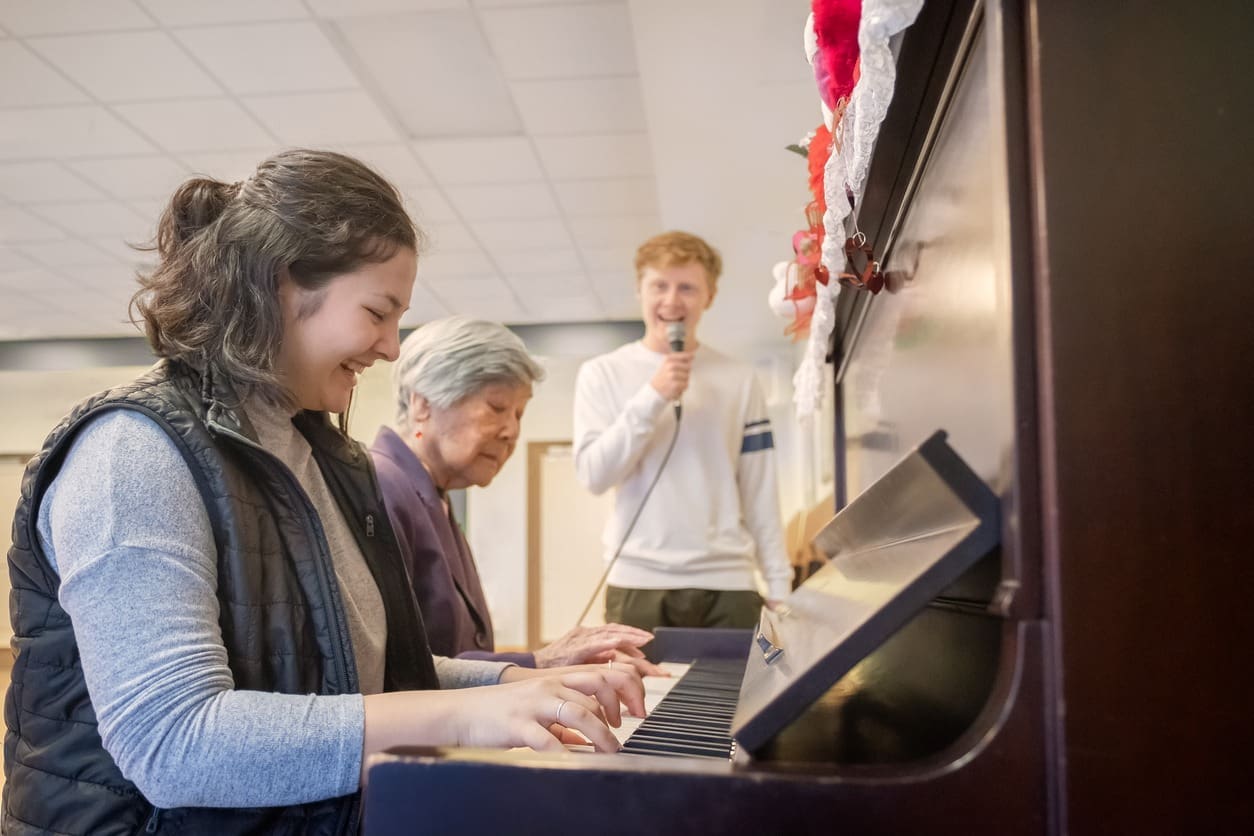
Progressive programming layers cognitive, sensory, and physical elements rather than treating them as separate silos. This approach draws from evidence-based practices including Cognitive Stimulation Therapy, Montessori-inspired tasks, and therapeutic activities adapted for each resident’s stage. Life enrichment programs have a profound impact on well-being, dignity, and sense of purpose. Residents thrive when programming is tailored to their needs and interests.
The same spaces and stations can serve multiple enrichment goals throughout the day, maximizing the Learned Environment’s℠ effectiveness while providing variety.
Cognitive and Reminiscence Programming
Cognitive engagement ideas include trivia adapted to the 1940s through 1970s, large-print word games and brain games, card matching games with family photos, and simple sequencing tasks. Cognitive stimulation activities are designed to keep residents mentally engaged while providing a sense of accomplishment. Reminiscence strategies (memory boxes curated with family members, decade-themed activities, and weekly storytelling circles focused on positive memories) support cognitive function while honoring each resident’s life history.
Cognitive Stimulation Therapy involves themed group activities designed to strengthen thinking skills, delay progression of memory loss, and improve problem-solving skills. These group sessions encourage social interaction and help residents maintain cognitive abilities for as long as possible.
At The Cordwainer, Language Discovery (one of the three pillars of the Learned Environment℠) brings this kind of engagement into daily life through personalized, consistent programming rather than occasional events.
Music Therapy and Emotional Well-being
Music Immersion is a specialized approach at the heart of The Cordwainer’s programming that uses structured activities such as singing familiar tunes, listening to favorite songs, and participating in group sing-alongs or playing simple instruments. These activities can help reduce anxiety, elevate mood, and encourage self-expression for seniors with dementia. Listening to favorite songs can trigger memories, improve mood, and support emotional well-being.
Sensory and Emotional Comfort Activities
For residents in advanced stages who can no longer engage in complex tasks, sensory activities provide comfort and connection:
- Aromatherapy using familiar scents (lavender, coffee, citrus)
- Tactile boards and fabric squares for touch exploration
- Nature sounds and calming music to reduce agitation
- Weekly sensory sessions with hand massages
- Familiar objects that provide comfort and emotional support
Environmental elements like consistent lighting, ambient sound, and calming music create a setting residents gradually associate with comfort. These elements support mood and reduce anxiety, especially during evening hours. Some communities also incorporate pet therapy and companion animals for residents who respond warmly to animal interaction.
Physical Movement and Functional Tasks
Low-impact movement options include chair yoga, rhythmic movement, tai chi sequences, gentle fitness classes, and guided walks using the secure looping pathways. Fitness activities promote health and well-being by improving strength, flexibility, coordination, and balance. Physical activities are essential for promoting cognitive and emotional wellness in seniors with dementia. Functional tasks double as physical programming:
- Making beds together
- Setting tables for meals
- Light gardening or sweeping
- Sorting and folding laundry
Pairing movement with music and social activity increases participation. Safety measures (staff support, adaptive equipment, and looping paths that prevent dead ends) reduce falls while supporting independence.
Creative and Gardening Activities
Engaging in creative activities like painting and crafts can provide a sense of accomplishment and reduce anxiety for seniors with dementia. Artistic Exploration helps soothe dementia symptoms and engages the brain. Gardening connects residents to the rhythm of nature and provides sensory stimulation through touch, smell, and sight, offering both enjoyment and a calming routine. The Cordwainer’s outdoor sensory gardens and two-story indoor sensory garden give residents direct, daily access to these experiences regardless of season.
Life enrichment programs enhance the overall well-being and quality of life for seniors by providing opportunities for engagement, enjoyment, and meaningful experiences. These programs foster emotional well-being by reducing anxiety, depression, and agitation, and require a person-centered care approach that prioritizes individual needs and preferences. Through tailored, meaningful activities, residents thrive and experience a profound impact on their daily lives.
Technology and Innovation in Memory Care Programming

Many memory care communities now use technology selectively to enhance (not replace) human-driven engagement. The goal is supporting meaningful interactions, not creating isolation.
Practical applications include:
- Touchscreen engagement tables with large icons for brain games
- Personalized music playlists featuring songs from residents’ youth
- Digital photo frames cycling through family albums
- Secure video call setups for connecting with loved ones
- Virtual reality experiences for nature walks or beach visits
Technology works best when woven into the Learned Environment℠. Personalization based on residents’ histories (hometown images, old sports teams, preferred musicians) maximizes emotional connection.
Personalizing Memory Care Programming for Each Resident
Person-centered care means each resident’s life history, preferences, and cognitive stage inform their daily experience. This shift from generic to individualized programming is one of the clearest ways to distinguish a thoughtful memory care community.
Practical personalization tools:
- Detailed life story interviews before move-in
- Collaboration with families on interests, routines, and communication preferences
- Reassessment every three to six months as abilities change
Personalization shapes which activities residents are guided to, how staff engage with them, and how calendars adapt. A former teacher might lead simple reading groups. A retired craftsperson might sort tools at a workshop station. A homemaker might fold linens or arrange table settings. These roles honor past identities while providing purposeful daily activities.
At The Cordwainer, this personalization is built into the intake process and carried forward through every care plan review, with family members as active partners throughout. Stories from the community illustrate what this looks like in practice. One resident, Barbara, arrived at The Cordwainer at 87 carrying a lifelong unfulfilled dream of rowing. The team worked to bring that vision to life, and just one week after her 90th birthday, she sat in a boat and rowed for the very first time. That kind of moment happens because the environment, programming, and staff are designed to see residents as whole people with histories and dreams.
Outdoor Activities and Connection with Nature

Time spent outdoors is a therapeutic experience for people living with dementia. The sights, sounds, and scents of the outdoors can spark cherished memories, reduce anxiety, and promote meaningful social interaction. Nature walks along secure paths, tending to raised garden beds, or relaxing in a sunlit space all support cognitive health and emotional well-being.
At The Cordwainer, outdoor sensory gardens are integrated directly into the looping pathway system, so residents can transition seamlessly between indoor and outdoor experiences without disorientation. The two-story indoor sensory garden extends this nature connection year-round, ensuring residents always have access to greenery, natural light, and the calming sound of birds regardless of weather or season.
Activities are thoughtfully designed to accommodate a range of abilities, from gentle chair yoga and tai chi to simply spending quiet moments listening to a water feature. Family members who join residents for outdoor time often find it creates some of the most meaningful shared experiences, giving them reassurance that their loved ones are thriving in a supportive environment.
From Calendars to Culture: Implementing a Sustainable Program
Effective programming is a culture, not a monthly activity grid. This requires cross-functional integration where caregivers, nurses, dining staff, housekeeping, and leadership all share responsibility for engagement.
Implementation recommendations:
| Phase | Timeline | Focus |
| Pilot | 60 to 90 days | New stations and revised schedules on one neighborhood |
| Training | Ongoing | Basic dementia education, engagement techniques, daily huddles |
| Culture shift | 6 to 12 months | Full integration across all shifts and departments |
Measurable metrics include engagement minutes per resident per day, family satisfaction, behavior incident logs, and community engagement trends. This data demonstrates program effectiveness and supports honest, grounded storytelling about what makes a community’s approach distinctive.
Communicating Your Programming to Families
Many memory care communities mention activities generically. Few explain how structured programming integrates into daily care in a way families can truly picture. Closing that gap is how trust is built.
Practical approaches:
- Name your program clearly and describe its pillars on a dedicated page of your website
- Use real photos and short videos rather than stock imagery
- Share monthly calendars and engagement updates with families
- Invite families into specific, structured events (reminiscence circles, gardening days, holiday programs)
- Provide simple visit guides suggesting calming activities tailored to each resident
The Cordwainer’s Learned Environment℠ is a strong example of how a clearly named, well-articulated program helps families understand they are choosing something meaningfully different. When families can see and hear a community’s philosophy in action during a tour, the difference becomes undeniable.
Frequently Asked Questions
How can a community communicate its unique memory care programming to families searching for care?
Many communities see early changes within 60 to 90 days through new station setups and revised daily schedules. Deeper culture shifts and measurable outcomes typically emerge over 6 to 12 months as staff internalize new approaches and residents learn environmental patterns. Starting with one hallway or neighborhood as a pilot allows teams to refine methods before expanding.
What training do staff need to support this kind of programming?
Staff benefit from basic dementia education paired with specific training on engagement techniques: redirecting residents to stations using positive language, incorporating life stories into daily care, and documenting responses for ongoing assessment. Quarterly refresher sessions and brief daily huddles keep programming goals front-of-mind across all shifts. This training also supports staff retention by giving caregivers meaningful tools and a sense of purpose in their work.
How can families participate without overwhelming residents?
Invite family members to specific, structured events (reminiscence circles, holiday programs, gardening days) rather than unstructured sessions that may cause overstimulation. Providing simple visit guides that suggest calming activities (reviewing photo albums, gentle nature walks, music listening) helps families feel confident and connected. Sharing monthly calendars and engagement photos also allows families to mirror themes at home, reinforcing the Learned Environment℠ during visits.
What is the budget impact of moving to engagement stations and progressive programming?
Most changes involve reallocating existing resources rather than major capital expenditure. Repurposed furniture, donated objects, and thoughtfully restructured staff time can accomplish meaningful transformation. Technology and specialized equipment can be added gradually. Communities typically see a return within 6 to 12 months through improved community engagement, reduced staffing challenges, and fewer costly behavioral incidents.
How can a community communicate its unique programming to families searching for memory care?
Name your program clearly and describe its pillars on a dedicated web page. Use real photos, short videos, monthly calendars, and family reflections rather than stock images. Search-optimized content around terms families use (such as “memory care activities” or “Alzheimer’s programming”) helps the right families find your community. The Cordwainer’s Learned Environment℠ is a strong model for how a named, clearly explained program builds recognition and trust with families during their search.