
Key Takeaways
Purposeful dementia activities can improve mood, reduce agitation, support independence, and strengthen emotional well-being across every stage of the disease. They are never just busywork.
Activities must be matched to a person’s current abilities, personal history, favorite foods, music preferences, and safety needs to ensure a meaningful experience.
Physical activities, cognitive activities, creative expression, and sensory stimulation each play distinct roles in supporting quality of life for people with dementia. The Cordwainer’s programming focuses on these supporting activities, embedding them into daily experiences and adventures. Excursions, shopping, museum visits, and much more is included in the programming concept.
In addition to this, the Cordwainer’s Learned Environment℠ weaves cognitive, physical, and expressive activities into daily life through three pillars: Music Immersion, Artistic Exploration, and Language Discovery, within a purpose-built memory care home on Boston’s South Shore.
When home caregiving becomes overwhelming, short-term respite stays and dedicated memory care communities offer structured, professionally guided engagement that benefits both the person living with dementia and their family.
Introduction: Why Activities Matter in Dementia Care
If you are a family member caring for someone with Alzheimer’s disease or another form of dementia, you already know that every day brings new questions. What should we do together today? How do I keep my loved one safe and engaged? The good news is that structured, purposeful activities can make a real difference, not someday, but starting today.
Dementia activities are not filler. They are practical tools that support independence, preserve dignity, and strengthen the connection between a person living with dementia and the people who care about them most. Research consistently shows that when individuals stay engaged, the benefits ripple across daily life.
Activities help manage anxiety, sleep disturbances, appetite changes, and behavioral symptoms across early, middle, and late-stage dementia.
They provide structure that reduces confusion and supports a sense of routine.
They offer caregivers a shared focus that turns spending time together into something meaningful rather than stressful.
At The Cordwainer, a memory care community on Boston’s South Shore, purposeful daily engagement is central to everything. Rather than passive care, The Cordwainer’s approach focuses on keeping residents active, connected, and involved through The Learned Environment℠.
How Therapeutic Activities Help People with Dementia
Therapeutic activities do more than fill time. When well-chosen and properly adapted, they address emotional, physical, social, and cognitive needs simultaneously. Engaging activities can improve quality of life for people with dementia, even those in later stages who may no longer communicate verbally.
Emotional benefits: Reduced agitation, lower anxiety, improved mood, and a stronger sense of self-worth. Research reviews of randomized controlled trials have found that personally tailored activities reduced agitation and supported quality of life in people with moderate-to-severe dementia.
Physical benefits: Better sleep, improved appetite, maintained mobility, and reduced fall risk through gentle movement.
Social benefits: Preserved relationships, meaningful social interaction, and reduced isolation.
Cognitive benefits: Activities tailored to abilities and interests ensure a meaningful experience for people with dementia and can support continued engagement with familiar skills.
Structured activities should focus on enjoyment and participation rather than correct completion. No one should feel threatened. The goal is connection, comfort, and moments of joy.
Planning Activities: Matching Stage, Abilities, and Personality
Not every activity works for every person or every stage. Planning well means thinking about who your loved one is, not just what dementia has changed.
In the early stages, people with dementia may enjoy more complex cognitive activities like word games, strategic thinking tasks, or cooking a recipe from memory. Cognitive abilities remain relatively intact, so the emphasis is on keeping the brain active and maintaining routines.
In the middle stages, activities should be simplified. Picture-based games, guided conversations, and simple tasks with one or two steps work best. Watch for fatigue and overstimulation.
In the late stages, sensory-rich, one-step activities (holding a soft blanket, listening to a familiar song, tasting a favorite food) become the primary tools for engagement.
Draw on your loved one’s life experiences: their career, hobbies from their younger years, family history, musical tastes, and favorite foods. A retired gardener may light up when handling soil. A former teacher might enjoy reading aloud.
Limit clutter and distractions in the activity space.
Keep sessions short (15–30 minutes) and watch for signs of frustration or tiredness.
Stop before stress builds. You can always try again later.
Physical Activities to Support Strength, Balance, and Sleep
Gentle, consistent movement is one of the most effective ways to support physical health and overall well-being for people with dementia. A systematic review and meta-analysis specifically examined exercise requiring minimal equipment in community-dwelling adults with dementia. This review on exercise and dementia have found that even minimal-equipment movement can produce meaningful improvements in physical performance and daily living skills.
Walking: Aim for short daily walks on familiar, well-lit paths. Walking should be done 4–5 times per week for 30 minutes when possible, but even 10–15 minutes helps.
Chair-based exercises: Seated exercises are safe for people with mobility issues. Leg lifts, arm circles, and gentle stretches can be done with music in the living room. Light exercise, such as gentle stretching or chair yoga, promotes physical well-being for people with dementia.
Stationary bike: A stationary bike set to low resistance helps older adults maintain cardiovascular fitness without increasing fall risk.
Dancing: Put on a favorite song and sway together. Dancing supports strength, balance, and cardiovascular health for people with dementia.
Tai chi and yoga: Tai chi and yoga provide physical and emotional benefits for people with dementia, including improved balance and reduced anxiety.
Water exercises: When available, water exercises can improve flexibility and support overall well-being for people with dementia.
Purposeful movement: Watering plants, dusting a bookshelf, or pairing socks adds purpose to physical activity.
Regular movement supports cardiovascular fitness and strength for people with dementia. Before starting any exercise routine, consult a clinician, especially if your loved one has high blood pressure, heart disease, or fall risk concerns. Prioritize sturdy shoes and clear walking areas.
Cognitive Activities: Keeping the Brain Engaged
Cognitive stimulation is associated with keeping the mind engaged and can help support existing memory and thinking skills for people with dementia. Cognitive stimulation therapy uses a variety of activities to help maintain engagement over time. The key is matching complexity to the person’s current cognitive skills.
Early stages:
Large-print crossword puzzles, word scrambles, and number puzzles
Card games like Go Fish or War that involve strategic thinking without excessive complexity
Online games designed for older adults that offer adjustable difficulty
Activities like sorting coins can stimulate engagement and keep hands busy
Large-piece jigsaw puzzles and simple card games keep the mind active without causing frustration
Moderate dementia:
Picture-based matching games and simple board games with clear rules
Playing simple board games can support mental engagement and offer moments of enjoyable challenge
Guided reminiscence conversations using family photos or familiar objects
Looking at old photos can reignite precious memories and stimulate memory recall
Later stages:
Short, predictable activities like identifying familiar objects or finishing well-known proverbs
Listening to a brief story or poem read aloud
Playing board games can keep the mind gently engaged even in simplified formats; try matching colors or shapes
At The Cordwainer, cognitive activities are woven into daily routines through The Learned Environment℠. They are part of daily life, not occasional add-ons. This approach aligns with research showing that multi-component programs integrated into everyday living produce stronger outcomes for engagement, mood, and daily functioning.
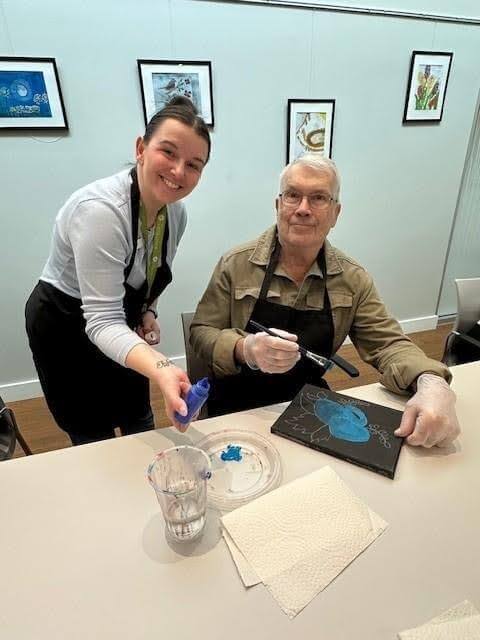
Creative and Expressive Activities
When words become harder to find, creative arts can provide emotional release when verbal communication becomes difficult. Expressive activities give people with dementia a channel for self-expression that doesn’t depend on language.
Painting and drawing: Use broad brushes, bright colors, and large paper. Art is associated with improved mood and engagement for people with dementia. Focus on the process (color, texture, movement) rather than a finished product.
Collage: Cut images from old magazines using safety scissors and glue them onto cardstock. This is a simple way to encourage creativity while engaging fine motor skills.
Clay and dough modeling: Handling different textures stimulates the senses and can feel grounding.
Seasonal cards: Decorating cards for special occasions gives a sense of purpose and connection.
Singing and humming: Music is associated with reduced anxiety and improved mood for people with dementia. Singing along to familiar songs from a person’s era can evoke long-term memories and support communication.
Gentle dancing: Swaying to music is both an expressive and physical activity.
Creative activities provide a sense of accomplishment for people with dementia. Projects should focus on enjoyment, and caregivers should praise the effort, not the result, especially in later stages. Listening to music from their era can evoke memories and bring visible comfort.
Sensory Activities: Comfort Through Touch, Taste, and Sound
As cognitive abilities change, sensory stimulation becomes one of the most reliable ways to reach a person living with dementia. Familiarity and sensory engagement can help reduce agitation for people with dementia. Sensory activities engage all five senses for people with dementia.
Touch: Handling smooth stones, folding soft towels, brushing a favorite blanket, or holding a warm mug provides tactile stimulation and a sense of grounding. Sensory boxes filled with items of different textures (velvet, sandpaper, cotton, wooden beads) provide tactile stimulation and gentle engagement.
Taste and smell: Offering small tastes of favorite foods such as warm soup, vanilla ice cream, or morning coffee can evoke comforting memories. Cooking evokes memories through familiar smells and tastes. Familiar scents like cinnamon or fresh bread can improve mood and even improve appetite.
Sound: Personalized playlists, gentle nature sounds, or quiet instrumental music support relaxation. A fish tank with its soft bubbling sound can also provide calm visual and auditory stimulation.
Sight: Watching birds outside a window, looking at family photos, or observing a garden provides gentle visual engagement.
Sensory cues enhance the effectiveness of reminiscence therapy. In the late stages of dementia, short, predictable sensory experiences often work better than complex, multi-step tasks. Keep sessions brief and observe your loved one’s reactions closely.
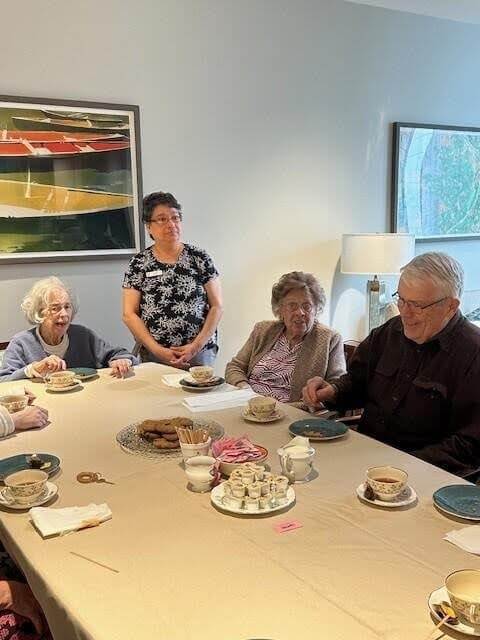
Social and Family-Based Activities
Dementia care is about connection, not just care tasks. Social interaction remains vital from the early stages through the end of life, supporting emotional well-being, reducing depression, and preserving identity.
Phone and video calls: Keep conversations short, warm, and focused on the present moment or shared comforting memories. Other family members can rotate calls so the person feels engaged and remembered.
Intergenerational activities: Reading a children’s book with a grandchild, looking at old photo albums together, or watching a favorite sports team on TV. Looking through old photo albums stimulates memory recall and can start conversations that feel natural. Looking at old photos can improve mood and communication.
Reminiscence therapy: Reminiscence therapy helps recall cherished memories. Using photo albums, familiar objects, or music as prompts, engaging in reminiscence therapy can improve mood and communication. This is a powerful way to stimulate memory and help a person reconnect with their life experiences.
Gardening: Gardening can evoke memories and stimulate social interactions. Even simple container gardening indoors works. Gardening stimulates the mind and evokes calming memories.
Pet therapy: Gentle interaction with a calm dog or cat can reduce symptoms of anxiety and provide comfort.
Small gatherings: Encourage small-group settings instead of large, noisy events to reduce overstimulation. Predictable, familiar social settings help reduce confusion for people with dementia.
Memory care communities like The Cordwainer provide structured group programs so residents can build friendships safely and stay engaged with others daily.
Household and Purposeful Chores
Maintaining a sense of purpose matters at every stage. Simple household tasks can provide a sense of purpose for individuals with dementia, reinforcing their role in daily life and supporting dignity.
Folding laundry, sorting colored napkins, matching plastic containers with lids, or setting out non-breakable place settings
Washing dishes with supervision (use warm soapy water and unbreakable items)
Wiping a table with guidance or holding a small basket while a person caring for them tidies up
Sorting items by color, shape, or size, a task that keeps hands busy and supports engagement
Even in later stages, handing items to a caregiver or helping with a single step of a familiar chore can offer meaningful participation. Avoid correcting small mistakes. Praise effort. The goal is not perfection, it is preserving self-worth and a feeling of contribution.
Activities for the Later Stages of Dementia
Late-stage dementia brings profound changes. Verbal communication may be minimal. Mobility may be limited. But the capacity for comfort, sensory experience, and emotional connection remains. If you are a person caring for someone at this stage, know that your presence alone matters deeply.
Gentle hand massage with lightly scented lotion
Listening to a favorite hymn, lullaby, or song from their younger years
Watching birds outside a window or observing gentle movement like a mobile
Holding a familiar comfort object (a well-loved soft blanket, a favorite scarf, or a stuffed animal) for grounding and reassurance
Brief sensory experiences: A warm cloth on the hands, a familiar scent, a sip of warm tea
Success in later stages is about comfort, emotional connection, and moments of recognition, not learning new skills. Even a fleeting smile during a familiar melody is meaningful. Specialized communities such as The Cordwainer are designed to support the later stages safely, with staff trained to read non-verbal cues and respond with compassion. Care at this stage also includes range-of-motion exercises and gentle repositioning to maintain physical comfort.
When an Activity Isn’t Working: Adapting Without Stress
Not every activity will land. That is completely normal. A person’s mood, energy, and cognitive abilities can shift from hour to hour. The goal is never to push through, it is to adapt.
Simplify: reduce the number of steps, use fewer materials, or switch to a single-sense activity.
Shorten: cut the session from 20 minutes to 5. Quality matters more than duration.
Change timing: try mornings instead of afternoons if your loved one is more alert earlier in the day.
Watch for cues: frowning, restlessness, pulling away, or going quiet may signal discomfort. Pivot gently to something soothing, like music or a warm drink.
Let go of expectations: it is okay to stop an activity, reassure the person, and try again later or choose a different option entirely.
Respite stays at The Cordwainer can give caregivers time to rest while their loved one participates in professionally guided activities. Sometimes the most helpful thing a caregiver can do is step back, recharge, and return with renewed energy.
How The Cordwainer Supports Daily Activities and Dementia Care
The Cordwainer is a family-owned and operated memory care community on Boston’s South Shore dedicated exclusively to dementia care, founded by Tamilyn and Bodo Liesenfeld. Every aspect of the community, from architecture to daily programming, is built around the needs of people with dementia and their families.
The Learned Environment℠ integrates cognitive activities, physical movement, expressive activities, and social engagement into everyday life. Through The Learned Environment℠, residents engage with three pillars woven into every day: Music Immersion, Artistic Exploration, and Language Discovery.
Staff learn each resident’s history, preferences, and favorite foods to personalize activities and routines. This level of personalization reflects what research consistently shows: that activities matched to a person’s interests and history produce stronger outcomes than generic programming.
Short-term respite stays are available for families who need support while traveling, recovering, or simply taking a break from the demands of home caregiving. During a respite stay, your loved one’s quality of life is supported by the same structured programs and compassionate team that serve long-term residents. Pricing at The Cordwainer is approximately $14,500 per month, covering rent, nutrition, personal care, medication management, specialized programming, and other support services explained in detail, with no add-on billing. Families exploring how to fund memory care can take The Cordwainer’s free Cost Readiness Quiz at planning.cordwainermemorycare.com for a personalized guide to VA benefits, home equity strategies, and long-term care insurance.
If you are considering whether a memory care setting could help your family, we invite you to schedule a personal tour to see daily programs and activities in person.
Frequently Asked Questions
How much time each day should a person with dementia spend on activities?
Short, frequent activity blocks tend to work best. Aim for 15–30 minutes at a time, repeated 3–6 times throughout the day. Mix quiet, seated activities with light movement and rest periods, adjusting based on mood, medical conditions, and the stages of dementia your loved one is in. Quality and enjoyment matter far more than a specific number of hours.
What are some good first activities if my loved one was just diagnosed with Alzheimer’s disease?
After a dementia diagnosis, start with familiar hobbies: simple card games, gardening, walking a known route, or cooking a favorite recipe together. Begin a photo album or memory book now, while your loved one can still help label names, places, and dates. Set up a predictable daily routine that weaves in cognitive activities, social time, and relaxation. The early stages are an ideal window to establish patterns that your loved one’s abilities can sustain over time.
Are there activities I should avoid for someone with dementia?
Avoid activities that are physically unsafe, such as sharp tools without supervision, heavy lifting, unsupervised cooking, or overly complex board games that may cause frustration. Limit noisy, crowded settings and fast-paced TV or movies that can increase confusion. Watch for individual triggers, such as certain news programs or distressing topics from the past, and gently redirect when needed. Other forms of stimulation, like loud alarms or sudden environmental changes, can also increase agitation.
Can activities still help in the very late-stage dementia?
Absolutely. Activities remain valuable in late-stage dementia, but they shift toward gentle sensory experiences and brief, soothing interactions. Hand-holding, quiet music, softly reading a short poem, or offering a warm blanket and a familiar scent all provide meaningful comfort. Specialized memory care settings like The Cordwainer are designed to support these stages with tailored, comfort-focused engagement that honors the person’s remaining capacity for connection.
How do I know if it’s time to consider a memory care community?
Watch for signs like increasing falls, wandering, sleepless nights, rapid changes in behavior, or caregiver exhaustion despite support at home. If you find it difficult to provide structured, safe dementia activities, or if your loved one’s needs have outpaced what home care can offer, a dedicated memory care community can provide around-the-clock staffing, a secure environment, structured daily programming, and a professional dementia care team. Contact The Cordwainer for a conversation or tour if you are unsure. A team member can help assess current needs and explore whether a move or a respite stay makes sense for your family.