
If someone you love is living with dementia, you’ve probably found yourself searching for real answers about what memory care actually covers. The term gets used broadly across the senior living industry, and it can be hard to separate marketing language from the day-to-day reality of care. This guide breaks down every major component so you know exactly what to expect.
Key Takeaways
- Memory care facilities provide specialized care, with staff on-site around the clock, structured routines, and a secure environment specifically designed for people living with Alzheimer’s disease and other forms of dementia.
- Typical memory care services include personal care assistance, medication management, cognitive stimulation programs, social activities, and regular supervision to help maintain safety and quality of life.
- Memory care communities employ staff with specialized training in dementia care, use enhanced safety features to address wandering and other safety concerns, and create personalized care plans that adapt as the disease progresses.
- Memory care is different from general assisted living because it centers on specialized support, secure design, and dementia-specific programs, often at a higher average monthly cost. In Massachusetts, that cost typically runs well above the national average.
- Family members also receive support through education, regular communication, and guidance on when memory care is the right next step.
What Is Memory Care and Who Is It For?
A memory care facility is a residential care setting that provides around-the-clock staff availability and support for older adults living with Alzheimer’s disease and other forms of dementia. These communities go beyond basic assisted living by offering around-the-clock staff availability, housing, meals, and specialized care tailored to the realities of cognitive decline.
Memory care communities can exist as standalone facilities, dedicated memory care wings within larger assisted living facilities, or specialized wings in nursing homes. Each model offers different levels of medical oversight and amenities, but all share a common focus: creating a safe, structured environment for people living with dementia.
The typical resident is usually in their late 70s to 90s, experiencing moderate to advanced memory loss, disorientation, or behavioral changes that can no longer be safely managed at home. Many have memory problems significant enough that everyday tasks require consistent assistance.
The distinction from general assisted living is important. While assisted living communities help with daily activities and offer some independence, memory care communities provide a safe, secure environment, dementia-focused staff training, and structured routines tailored to cognitive challenges. Memory care programs provide specialized long-term care for individuals with cognitive impairments that standard settings aren’t equipped to handle.
Only licensed healthcare providers can formally diagnose dementia and recommend when a move to 24-hour memory care is medically appropriate.
Specialized Care, Supervision, and Staff Training
Specialized care is the foundation of every memory care facility. Without it, the rest of the services wouldn’t function. This starts with staff education and around-the-clock supervision.
Memory care facilities staff caregivers, including CNAs, LPNs, and RNs, on-site around the clock. These team members are available around the clock to assist with personal care tasks, redirect unsafe behaviors, and respond to emergencies. Behavioral support involves staff trained to respond to challenging behaviors with compassionate communication rather than confrontation.
Staff undergoes specialized training in dementia care that covers:
- Understanding disease progression across Alzheimer’s disease and other forms of dementia
- Managing aggression, sundowning, and agitation using validation and redirection techniques
- Communicating effectively with residents who have limited verbal skills
- Recognizing and reporting abuse, neglect, or exploitation
In Arizona, for example, facilities must provide at least 8 hours of initial memory care training covering behavior management, dignity, and individualized service planning. Many memory care facilities provide ongoing in-service training and certifications to ensure caregivers stay current with research-based approaches.
Specialized support also means lower staff-to-resident ratios than those in typical assisted living. In Ohio, memory care providers must maintain at least a 20 percent higher direct-care staff-to-resident ratio compared to basic assisted living services, allowing for more one-on-one interaction and closer monitoring.
Safe and Secure Environment: Design and Safety Features
Safety is one of the primary reasons many families choose memory care, especially when wandering and falls become major concerns. Memory care facilities focus heavily on safety and structured routine to protect residents from harm.
Common safety features include:
- Secure entrances with keypads or delayed-egress exit doors to prevent wandering
- Perimeter fencing and alarmed exits
- Camera monitoring of public areas and hallways
- Emergency response systems and 24-hour front desk or nursing response
- Motion-activated lights and alarms
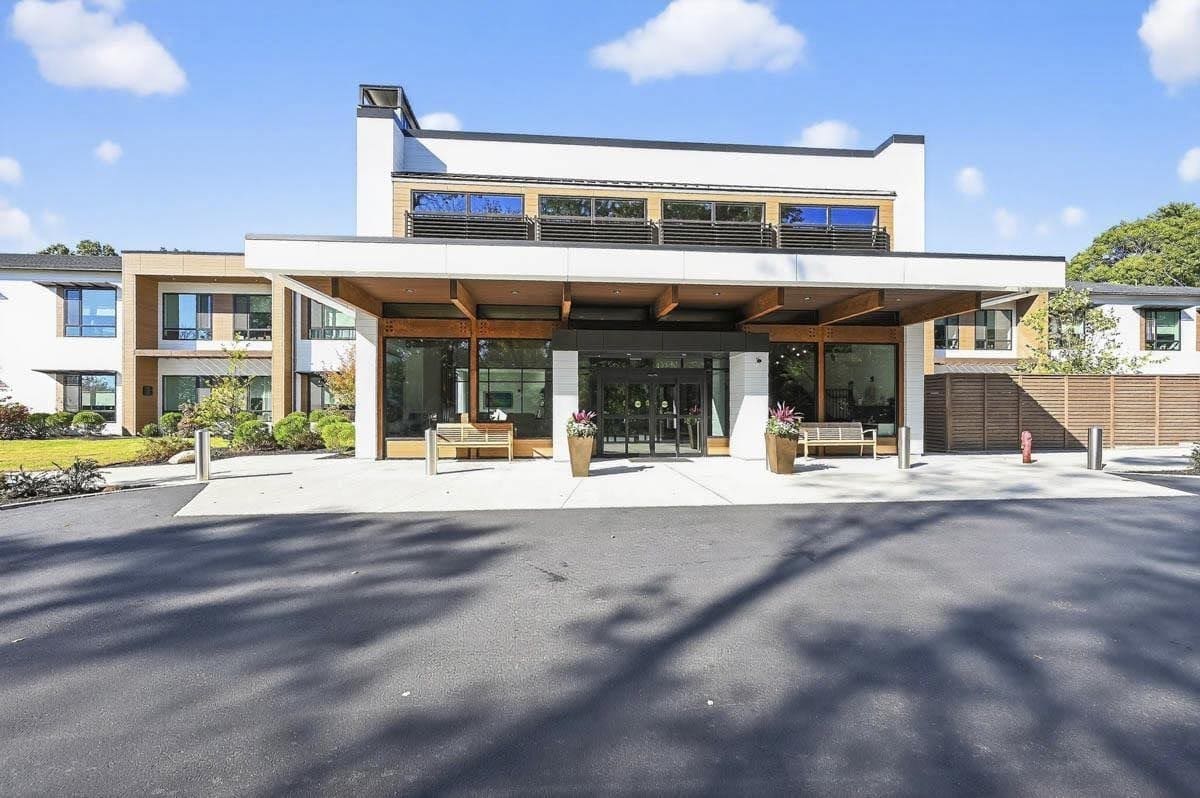
Interior design elements support orientation and reduce confusion. Memory care environments use color-coded hallways to aid navigation, clear signage with both words and pictures, and memory boxes outside resident rooms filled with personal items to help residents recognize their own space. Circular walking paths allow safe pacing without dead ends, creating a supportive environment that reduces anxiety. The Cordwainer, for example, was purpose-built from the ground up for memory care, with looping walking paths, no dead-ends, sensory gardens, and a living moss wall, rather than converted from an existing assisted living building.
Fall-prevention measures are equally critical. Non-slip flooring is standard to reduce fall risks in memory care. Grab bars in bathrooms, including the famous German HEWI branded holding device, handrails in corridors, proper lighting without glare, and uncluttered common spaces all work together to enhance safety.
Many memory care facilities offer secure outdoor spaces such as gated courtyards and enclosed gardens. These let residents enjoy fresh air and nature without the risk of elopement, giving families peace of mind.
Daily Personal Care, Routines, and Household Support
Memory care facilities provide help with activities of daily living and structure each day around predictable patterns to reduce anxiety and confusion. A structured environment is essential for people living with dementia, who often struggle with unpredictability.
Typical assistance with activities of daily living includes but is not limited to:
- Bathing, grooming, and dressing
- Toileting and continence support
- Transferring and mobility assistance
- Gentle prompts for personal hygiene
Memory care facilities organize each day around waking, meals, medication times, activities, and bedtime. Consistent schedules help reduce anxiety and confusion and promote a calm, predictable environment.
Household services usually included in monthly fees cover housekeeping, laundry and linen service, room maintenance, and general building upkeep. This removes practical burdens from family members entirely.
Staff members often encourage residents to participate in simple, familiar tasks like folding towels or watering plants. These small moments help maintain a sense of purpose and independence, one of the underappreciated benefits of memory care.
Medication Management and Health Monitoring
Medication management is a critical part of what memory care facilities provide, particularly because dementia often co-exists with other chronic health issues like diabetes, heart disease, or depression that affect physical and mental health.
Licensed staff or medication technicians handle the full medication cycle:
- Ordering and coordinating prescriptions
- Securely storing medications in locked carts or cabinets
- Administering or supervising doses at scheduled times
- Documenting each dose accurately
Staff watches closely for side effects, drug interactions, and behavioral changes that may signal medication problems. When adjustments are needed, they notify physicians or nurse practitioners promptly.
Health monitoring is a common service that memory care facilities coordinate with healthcare providers. Routine monitoring includes vital signs checks, weight tracking, fall risk assessments, and periodic wellness visits with on-site or visiting medical providers. This attention to both mental health and physical health helps catch emerging issues early.
While memory care is not the same as a skilled nursing facility, many communities coordinate closely with outside physicians, physical therapists, and hospitals to deliver integrated care. Residents benefit from this network of professionals working together.
Cognitive Stimulation, Activities, and Therapies
Structured activities and cognitive stimulation are central to supporting residents’ well-being and quality of life. Memory care programs generally emphasize meaningful engagement rather than just keeping residents busy.
Typical offerings include:
- Puzzles, trivia, and matching games to keep the mind active
- Reminiscence therapy sessions using personal histories and photos
- Music therapy, which is one of the most effective tools for reaching people in advanced stages of dementia
- Art therapy to engage residents cognitively and emotionally
- Chair exercise classes and gardening to promote physical and mental health
- Pet therapy for sensory comfort and encouraging social interaction
- Small-group social events tailored to each cognitive level
The Cordwainer goes far beyond that. It has two separate programming departments of which one is uniquely organized under three pillars, Music Immersion, Artistic Exploration, and Language Discovery, collectively known as The Learned Environment℠. Physical exercises support mobility and well-being, while social activities help residents feel a sense of community and belonging. Activities are typically adapted to individuals’ abilities and interests to promote genuine engagement rather than passive participation.
Many memory care facilities partner with physical therapy, occupational therapy, and speech therapy providers. Physical therapists work on mobility and balance, while occupational therapists help maintain daily functioning skills. Families often see these therapies reflected in better mood, steadier mobility, and more social re-engagement, though results vary by individual.
Activity calendars are structured but flexible, with options for residents who prefer quiet, one-on-one engagement and those who enjoy group programs.
Nutrition, Dining Support, and Mealtime Experience
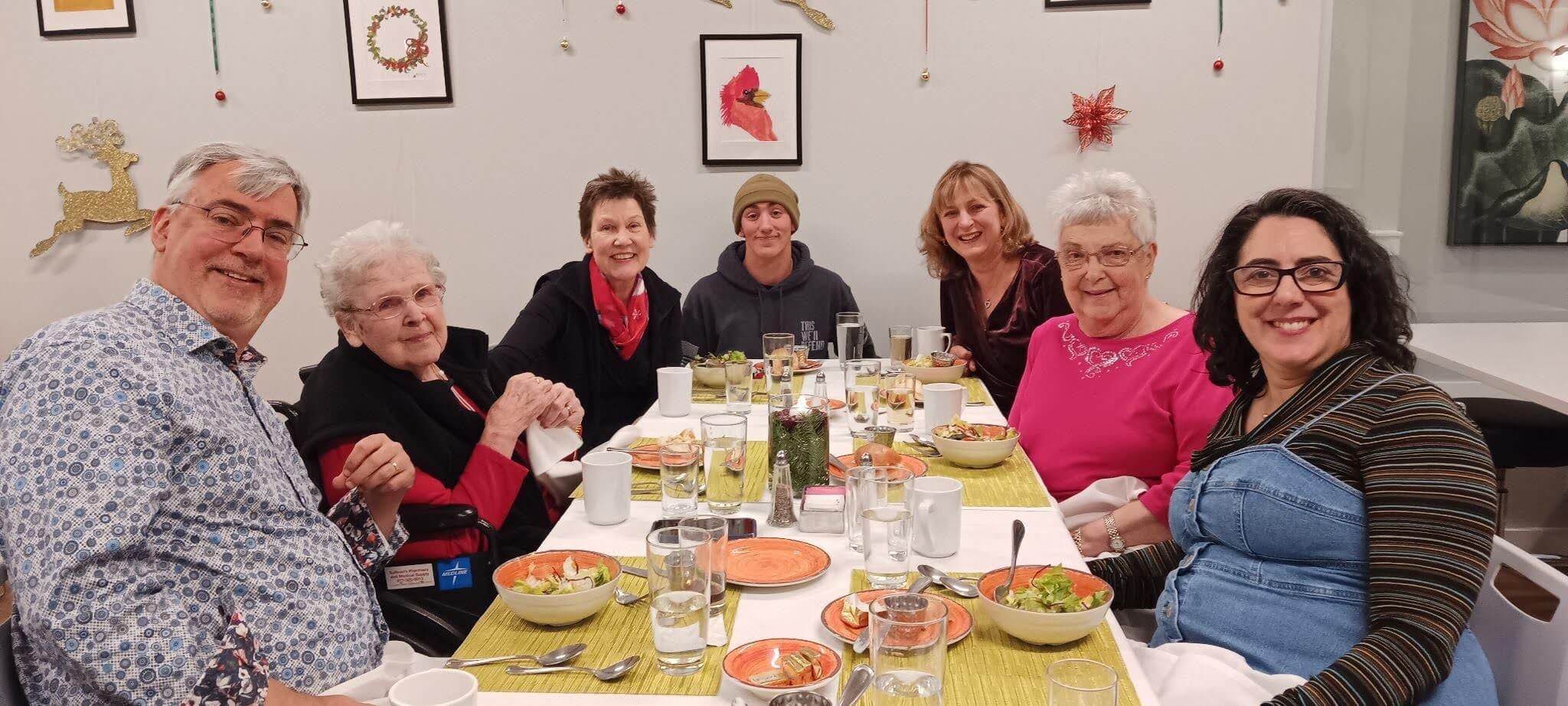
Proper nutrition and hydration can be especially challenging for people with dementia, so memory care communities build extra support into every meal. Most offer three nutritious meals daily plus snacks, with menus adapted to individual dietary needs, medical conditions, and cultural preferences, including diabetic, cardiac, and texture-modified diets.
Dining assistance is provided for residents who need help eating. Staff cue residents to eat, help cut food, offer finger foods for those who struggle with utensils, and adjust textures for swallowing difficulties. Specialized utensils are used to encourage self-feeding and preserve independence wherever possible.
Dining rooms are typically designed to be calm and homelike, with smaller seating areas, limited distractions, and consistent seating so residents feel secure and recognize familiar faces. Food intake and hydration are closely monitored, with staff tracking weight changes and appetite patterns. If concerns arise, healthcare providers or dietitians are brought in quickly.
Personalized Care Plans and Continuity of Care
Every resident typically receives a personalized care plan created at admission and regularly updated as dementia progresses. Care plans account among others for:
- Medical history, current diagnoses, and medications
- Mobility level and cognitive abilities
- Personal preferences, cultural or religious needs
- Behavioral triggers and communication approaches
- Life story details that inform meaningful activities
Care plans outline specific strategies for behavioral support, fall prevention, and engagement based on the resident’s interests. Regular care conferences, typically every 3 to 6 months or after major health changes, bring family members together with the care team to review progress, adjust goals, and address new concerns.
Continuity of care means residents can often remain in the same memory care community as needs increase, potentially adding hospice or palliative services near the end of life. This consistency in staff, environment, and routine is deeply valuable.
Family Support, Communication, and Respite
Memory care is not only for residents. It’s also designed to support family members emotionally and practically. Family support is woven into the model because dementia affects entire families.
Memory care communities often offer support groups for caregivers, providing a space to share experiences and learn from others. The Cordwainer, which is family-owned and operated by Tamilyn and Bodo Liesenfeld, also offers a private family suite for family reunions, celebrations, and other special gatherings, giving relatives a comfortable, private space to spend time together. Regular updates on residents’ conditions are provided to families through phone calls, emails, and scheduled care conferences, and prompt calls are made when health or behavior changes occur.
Family education workshops help relatives understand dementia better, covering topics like managing difficult behaviors, communication strategies, and planning for future care.
Memory care facilities provide respite for family caregivers through short-term stays, enabling caregivers to take breaks, travel, or recover from illness while their loved one receives full-time specialized care. Strong family involvement through visits, participation in events, and sharing life history helps staff provide more personalized care.
When Is Memory Care the Right Option?
Deciding when to move a loved one into a memory care facility is difficult, but it’s often crucial for safety and quality of life. Many families wait too long, and the transition becomes harder for everyone.
Common signs that memory care may be needed include:
- Frequent wandering or getting lost, even in familiar areas
- Increasing falls or near-misses
- Medication errors or forgotten medications
- Unsafe use of appliances or driving
- Aggression, severe agitation, or personality changes
- Neglect of personal hygiene
- Significant weight loss or dehydration
Escalating caregiver burnout, sleep deprivation, or the inability to provide consistent supervision at home are equally important indicators. People in the early stages of cognitive decline may manage at home, but as the disease progresses, home care often becomes unsustainable.
Involve appropriate professionals, such as geriatricians, neurologists, or primary care physicians, to formally assess cognitive status. The Alzheimer’s Association offers resources for families navigating this decision. An elder law attorney can also help with legal and financial planning, including understanding whether veterans’ benefits or Medicare Advantage plans may offset some costs.
When evaluating senior living options, tour multiple memory care communities, compare levels of specialized care, ask detailed questions about safety features, staffing, and pricing, and trust your observations. Watch how staff and residents interact.
According to data from the National Investment Center for Seniors Housing & Care and organizations like the National Council on Aging, demand for memory care is growing, and costs vary significantly by region. In Massachusetts, and especially across the South Shore and Greater Boston, memory care rates tend to run well above the national picture, which makes it essential to understand exactly what’s included before committing. Communities in this premium tier typically include rent, nutrition, medication management, personal care, and enrichment programming, broken down and explained in detail, while lower-quoted rates at other communities often bill those same services separately, so the sticker price alone can be misleading. The Cordwainer’s rate of approximately $14,500 per month includes rent, nutrition, medication management, personal care, specialized programming such as The Learned Environment℠, and other support services, all broken down and explained in detail, with no add-on billing.

FAQ: Common Questions About What’s Included in Memory Care
Is memory care the same in every facility? While core elements are similar across memory care facilities, including a secure environment, specialized care, medication management, and structured activities, the specific services, staffing levels, and amenities vary widely between communities and regions. Some assisted living communities with memory care wings may offer fewer programs than standalone communities dedicated entirely to dementia care. Always ask for a detailed breakdown of what the base rate covers.
Do memory care facilities provide medical care on-site? Most memory care facilities offer basic health monitoring and coordinate closely with outside doctors, but they are not hospitals. Some have on-site nurses daily and visiting physicians weekly or monthly, with access to physical therapy and occupational therapy. More complex medical needs may require transfer to a skilled nursing home. Memory care facilities support residents in managing chronic health issues while working alongside external healthcare providers.
Can couples stay together if only one partner needs memory care? Policies differ by community. Some memory care facilities allow spouses to live together in the same apartment or on the same campus, while others house partners in different memory care wings but encourage frequent visits and shared activities. Ask specifically about this when touring.
Are activities really tailored for people with advanced dementia? A well-run memory care program adapts cognitive stimulation and engagement for all stages. For residents with more advanced Alzheimer’s disease who may not tolerate complex group programs, simpler sensory-focused or one-to-one activities are provided. The goal is always to support emotional well-being and connection, whatever a resident’s stage.
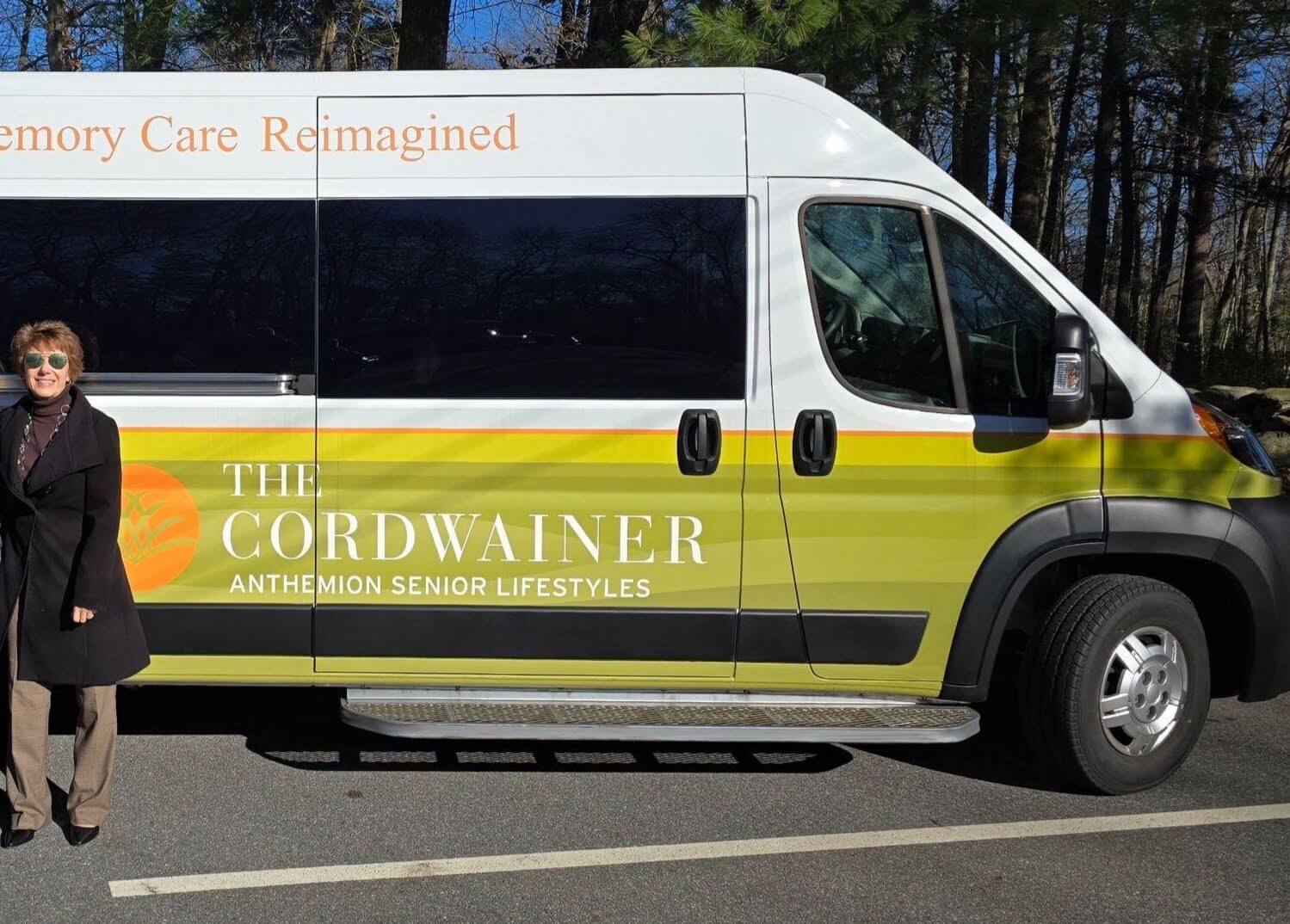
What is usually not included in the base memory care rate? Base rates typically cover housing, meals, basic personal care, and standard activities. Extra charges may apply for higher levels of care, incontinence supplies, private duty companions, or specialized therapies. Transportation to outside appointments is also typically handled separately. The Cordwainer, for example, does not provide transportation to outside appointments directly, but residents whose providers don’t come to the community are commonly supported through third-party transportation services or by family members. Families should request a clear fee schedule in writing and ask whether costs increase as care needs grow. The Cordwainer’s rate is structured so that medication management, personal care, and programming are broken down and explained in detail up front rather than showing up as separate line items later. Consulting an elder law attorney about funding options, including veterans benefits and Medicare Advantage plans, is a practical step that many families overlook.
The Cordwainer is a family-owned memory care community in Norwell, Massachusetts, serving families across the South Shore and Greater Boston. If you’d like to see how a purpose-built environment and The Learned Environment℠ come together day to day, reach out to us to schedule a tour. If you’re still comparing options or thinking through the budget, our Cost Readiness Quiz and Resource Hub are good places to start.