
What Questions Should I Ask When Touring a Memory Care Community?
Key Takeaways
- A memory care tour is your chance to ask detailed questions, observe daily life, and picture your loved one thriving in a new home. Having a written checklist of memory care tour questions reduces stress and helps you focus on what matters most.
- Memory care is specialized, structured support designed for people living with Alzheimer’s disease and other dementias. It differs from standard assisted living and nursing home care through secure environments, a higher staff-to-resident ratio, and dementia-focused programming.
- Your questions should cover care and staff, safety and building design, daily life and activities, memory-enhancing therapies, costs, and family involvement.
- You can print or save this checklist, bring it on your memory care tour, and use it to compare different memory care facilities across Boston’s South Shore.
Understanding Memory Care Before Your Tour
Choosing a memory care community for someone you love is one of the hardest decisions a family can face. You are not alone in this, and preparing the right questions can make the process feel less overwhelming.
Memory care is a form of long-term residential support built specifically for people living with dementia, including Alzheimer’s disease, Lewy body dementia, and vascular dementia. According to The Cordwainer’s Guide, What Is Memory Care?, it provides a secure environment, staff specially trained in dementia care, and structured daily routines centered on safety and quality of life. This is different from standard assisted living, which helps with bathing and medications but does not typically include dementia-specific programming. It also differs from a nursing home, which focuses on intensive medical services like wound care or feeding tubes.
The Cordwainer in Norwell is a purpose-built five-star Google-rated memory care community serving families on Boston’s South Shore. This article is written from that family-focused perspective. The sections below group specific questions by topic so you can quickly find what matters most to your loved one.
Before You Go: Clarifying Your Loved One’s Needs
A tour is far more useful when you arrive with a clear picture of your loved one’s health, routines, and personality. Before you visit any memory care community, take a few minutes to answer these questions for yourself:
- What help does my loved one already need with bathing, dressing, medications, or walking?
- Have there been safety concerns like wandering, falls, or nighttime confusion?
- What is the diagnosis (Alzheimer’s, Lewy body, vascular dementia), and what medications are currently prescribed?
- What brings my loved one joy? Think about music, gardening, faith, sports teams, language, or cultural traditions.
- What are my “must-haves” versus “nice-to-haves”? For example: private suite, secure garden access, proximity to Norwell, Hingham, or Scituate and other South Shore communities.
Writing these down keeps your tour focused and helps the community show you how they would support your loved one’s life.
Care, Staff, and Dementia Training
People and training matter most in a memory care facility. As dementia progresses, your loved one’s ability to communicate and manage behavioral expressions will change. The staff members who show up every day become the backbone of your loved one’s well-being.
Ask these questions on your tour:
- What dementia specific training do all team members receive, including nursing, activities, dining, and housekeeping staff? Industry data shows that 79% of memory care communities provide specialized staff training, but depth and frequency vary. Ongoing training should include methods from the Alzheimer’s Association, behavioral de-escalation, and communication strategies.
- How often is that training refreshed each year? Staff training in dementia care varies by state regulations. In Massachusetts, Special Care Residences must meet extra requirements under 651 CMR 12.04 for cognitive impairment care.
- How long have most caregivers, nurses, and leaders worked here? Staffing consistency and low turnover rates are key indicators of quality in memory care. Caregiver longevity is crucial for effective dementia care because dementia patients find comfort when they see the same staff members day after day.
- What is your staff-to-resident ratio during day shifts, night shifts, and weekends?
- How do you respond if a resident becomes agitated, anxious, or wants to “go home”? Behavioral support should emphasize non-medication approaches. Facilities should limit the use of chemical restraints for residents displaying challenging behaviors.
- Is there a registered nurse or nursing oversight on-site at all times? Who coordinates with outside doctors if your loved one’s health needs change?
- In some communities, all staff receive dementia care training. Ask whether that is the case here. Staff should be trained in behavioral management techniques so they can enhance communication and reduce feelings of fear or frustration for residents.

Personalized Assessments and Care Plans
A care plan is a written summary of supports your loved one receives. It covers medications, personal care, mobility, sleep patterns, and meaningful activities. Each resident should have a personalized care plan in place, and it must adapt as residents’ needs change.
Ask these questions:
- How do you assess a new resident before move-in?
- Which team members and family members take part in creating the care plan? Families should be involved in developing care plans because nobody knows your loved one better than you.
- How often are care plans reviewed? Care plans should be reviewed every two to three months. How quickly can you adjust the plan if my loved one’s needs change suddenly?
- Can you show me a blank or sample care plan (with no names) so I can see the level of detail you track?
- How do you incorporate my loved one’s lifelong routines, hobbies, and cultural or faith practices into individualized care?
At The Cordwainer, assessments and care plans are informed by The Learned Environment℠ pathways, weaving artistic, music, and cultural engagement into daily care so that person-centered care is not just a phrase but a practice. Memory care facilities should accommodate individuals as their dementia progresses, and your loved one’s plan should grow with them.
Daily Life, Activities, and Memory-Enhancing Therapies
Picture your loved one’s day from waking up to bedtime. In a strong memory care community, engagement matters as much as physical safety. Residents in memory care should have opportunities for socialization and meaningful activities throughout the day. Facilities should provide meaningful engagement through tailored activities to reduce agitation.
Ask on your tour:
- Can I see a recent activities calendar? What happens here on a typical Tuesday morning and Sunday afternoon?
- What structured programs do you offer beyond games and television? Memory care activities include games, crafts, and exercise classes, but also look for deeper options like music therapy, which can elevate mood and support memory retrieval, and art therapy for self-expression and creative thinking.
- Do you have dedicated spaces or programs for artistic exploration, music immersion (like instruments or drumming circles), and cultural or language discovery? These are the three pathways of The Learned Environment℠ at The Cordwainer, designed to delay cognitive decline and generate memory retrieval through consistent engagement.
- Gardening activities help engage residents in productive tasks. Are there spaces called life skill stations or similar areas where residents can replicate tasks from their earlier lives, such as folding, sorting, or tending plants? Life skill stations orient residents and support mental health.
- How do you adapt programs for different stages of dementia so no one feels left out or overwhelmed?
- Does engagement continue into evenings and weekends? Consistent daily routines can minimize confusion and reduce anxiety and “sundowning” behaviors. Reminiscing therapy uses photographs to evoke positive memories and can be woven into quiet evening moments.
Memory care facilities should engage residents through artistic and sensory activities throughout the week, not just during “activity hour.”
Building Design, Safety, and Sensory Spaces
A building designed from the ground up for memory care can reduce confusion and wandering while promoting independence. As The Cordwainer’s human-centered building design guide explains, purpose-built architecture uses looping corridors, visual landmarks, and natural light to support wayfinding without making residents feel trapped.
Ask these questions:
- Was this building designed from the ground up for memory care, or converted from another use? Industry data shows 76% of memory care communities are designed for residents with memory loss, but purpose-built communities often handle wayfinding and community safety more effectively.
- Do you use continuous looping hallways, visual landmarks, personalized doors, and personalized memory boxes by suites to help orient residents?
- How are exits and secure outdoor areas managed for people who may wander? About 88% of memory care communities are secure facilities. Many facilities use secured doors and alerts to prevent wandering, along with keypads and alarms for security. Yet only 41% of memory care facilities feature a wandering management system, so ask specifically about this.
- Security measures should check exterior doors and outdoor spaces. Memory care facilities should prevent residents from wandering into unsafe areas or leaving unsupervised, while still allowing safe freedom of movement. Safety and security features should aim to balance safety with privacy and dignity. Ask about safety locks, safety protocols, and how the community prioritizes safety without feeling institutional.
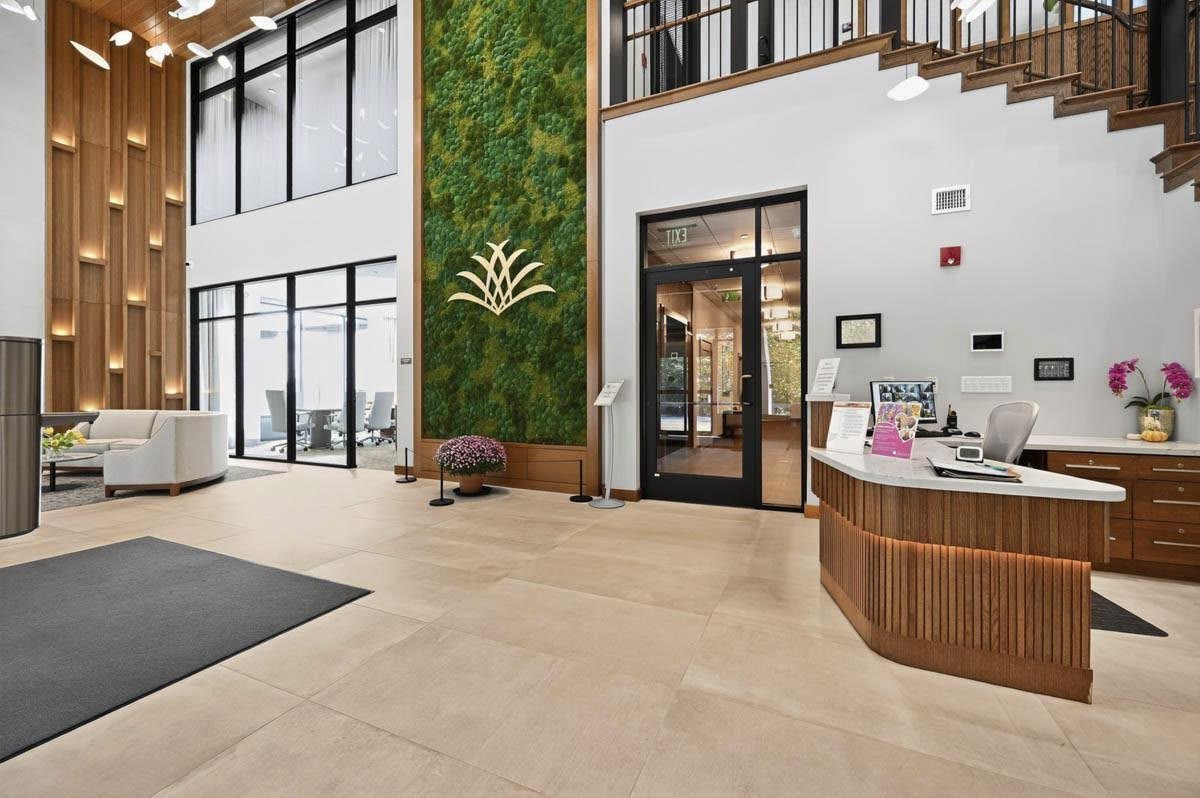
- Are there secure indoor and outdoor sensory gardens, natural light, or calming features like a living moss wall or indoor greenery? About 76% of memory care communities have enclosed courtyards. These biophilic spaces elevate mood and support orientation.
- Do you use interactive tools, such as Tovertafel light projection games, to encourage movement, play, and social connection? Ask for a demonstration if possible.
- What is your emergency preparedness plan? Emergency preparedness plans should be established in memory care facilities, and communities should have around-the-clock supervised care for safety.
Dining, Suites, and the Feel of Home
Meals and private space shape your loved one’s daily comfort, dignity, and sense of identity. Monitoring nutrition and hydration is essential for residents with memory challenges, and how a community handles mealtimes says a lot about its culture.
Ask these questions:
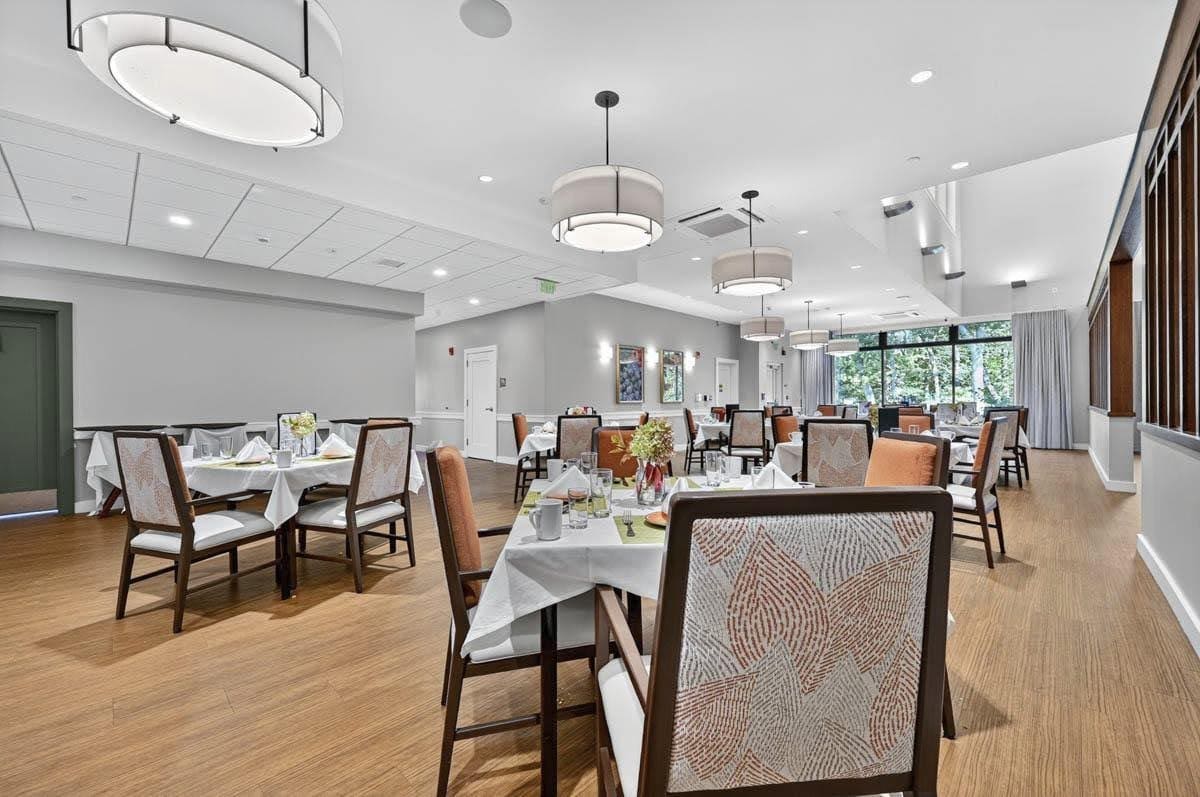
- Can we tour the dining room and see a sample menu? How many meals and snacks are served each day?
- Is your nutrition based on the healthy Mediterranean diet?
- How do you support residents who forget to eat, eat slowly, or have difficulty using utensils? Meal assistance is important for residents who require help due to cognitive decline.
- Facilities should accommodate special dietary needs of residents. Can residents choose where to sit and how much help they want at meals? Do you handle cultural, religious, or medical dietary needs?
- Are suites private, semi-private, or shared? Can we bring in furniture, photos, and familiar items to personalize resident rooms?
- Are showers zero-threshold showers? Are grab bars, non-slip flooring, and sit-to-stand lifts standard in bathrooms?
- Some communities include hygiene products in their monthly fees. Ask what personal supplies are provided and what you need to bring.
At The Cordwainer, private, generously sized suites and homelike finishes support dignity and help residents adjust to their new surroundings.
Family Involvement, Visiting, and Communication
Memory care should support both the resident and the family. Whether you are traveling from Hingham, Marshfield, or Quincy, knowing how a community keeps you connected matters. Family involvement is crucial in memory care, including participation in care planning. Many families feel emotional exhaustion during this transition, and the right community supports you through it.
Ask these questions:
- What are your visiting hours? Can family members join group activities, community events, or meals?
- Is there space for private family gatherings or celebrations?
- How do you invite families to stay involved and partner in decisions, care plan reviews, and life story sharing?
- Communication regarding resident health updates should happen regularly with families. How often will I receive updates about my loved one’s daily life and health? Do you use phone calls, email, secure apps, or scheduled care conferences?
- Do you offer caregiver support groups, educational talks about dementia, or one-on-one coaching during the transition?
Families have given The Cordwainer a five-star rating on Google, and that kind of trust from the community speaks to the level of communication and support families experience.

Memory Care Cost, Services, and Payment Options
Memory care cost is often a major consideration and source of worry for many families. Honest, clear answers help you plan without pressure.
Ask these questions:
- What is the current monthly rate range for a memory care suite, and what services are included? Families should ask about what is included in the monthly fee. The Massachusetts South Shore median cost of memory care is $14,500 per month, and costs vary based on location, amenities, and level of care.
- What costs extra? Ask about medications, incontinence supplies, salon services, escorts to medical appointments, and transportation.
- Can I get a written, itemized breakdown of monthly fees so I can compare communities fairly?
- Do prices increase annually? How often do you review fees, and how do you communicate potential increases to family members? Monthly fees should be evaluated for potential increases annually.
- Is there an entry fee? What living expenses are covered and which are separate?
- Is this a private-pay memory care community? Do you accept MassHealth? Can you walk me through possible funding sources like VA Aid & Attendance, long-term care insurance, life insurance conversion, or home equity?
- It is important to verify the licensing and inspection history of memory care facilities. Ask to see the community’s current certification and most recent state inspection results.
The Cordwainer’s Planning & Cost Readiness Quiz is designed to help families understand affordability without asking for income or savings details. It identifies applicable funding sources and creates a personalized planning report. A senior living advisor on the team can walk you through the details.
Trusting Your Senses: What to Look and Listen For on Tour
Answers to your questions matter, but so do your gut impressions of the memory care community during the visit. Pay attention to what you see, hear, and feel.
- Do residents appear calm, engaged, and well-groomed? Do staff speak with warmth and respect, using names and gentle touch?
- Are common spaces clean, bright, and easy to walk through? Notice noise levels, lighting that is not too harsh, clear signage, and the absence of strong chemical odors.
- Listen for how staff talk about residents. Person-first language and genuine affection are strong signs of high-quality dementia care.
- After the tour, take 10 quiet minutes in the parking lot. Jot down impressions, compare with other memory care facilities you have visited, and discuss which community best supports your loved one’s life and values.
Five-star experiences in memory care are often felt rather than advertised: a deep sense of welcome, physical safety, and genuine connection between residents and staff.
Bringing These Questions to The Cordwainer (Next Steps)
If you are searching for the right community on Boston’s South Shore, we invite you to schedule a tour at The Cordwainer in Norwell and bring this list of memory care tour questions with you.
Tamilyn and Bodo Liesenfeld created The Cordwainer as a privately owned, purpose-built memory care assisted living residence focused on dignity, purpose, and family partnership. During a visit, you can see The Learned Environment℠ in action, walk the secure indoor and outdoor sensory gardens, experience Tovertafel technology, and tour private suites and family spaces.
Contact The Cordwainer team to arrange a personalized tour where you can discuss your loved one’s story, needs, and goals for daily life in detail. If you want to prepare your financial questions first, take the Planning & Cost Readiness Quiz for a gentle, no-pressure starting point.

FAQs: Memory Care Tours and Choosing a Community
These FAQs cover practical points not fully addressed above. They are written for families in Massachusetts and Boston’s South Shore who are beginning or continuing their search.
How many memory care communities should I tour before deciding?
Most families benefit from touring at least two memory care facilities to compare care philosophy, staff interactions, and building design. That said, some families feel confident after one very strong visit. Depth of the tour matters more than the number of tours. Ask the same core questions at each community so comparisons are fair, and involve key decision-makers such as adult children and spouses. Notice how each place feels for your loved one’s personality and history. The right community will feel like a fit, not just a checklist.
What should I bring with me on a memory care tour?
Bring a written list of questions, a notebook or phone to record answers, and basic information about your loved one’s health history, medications, and daily routines. It helps to have emergency contacts and current legal documents noted, such as a health care proxy and power of attorney, in case the conversation turns to admissions planning. Bringing a recent photo and a few details about your loved one’s life story can also help the team suggest how their memory care neighborhood might support that person’s identity and interests.
When is the right time to move a loved one into memory care?
Common signs include frequent wandering, falls, missed medications, caregiver burnout, or increased nighttime confusion. These are not just inconveniences; they point to severe health concerns and real risk. Talk with your loved one’s primary care doctor or neurologist about safety risks and appropriate timing for a transition. Many families on the South Shore say they wish they had moved a bit sooner, once they see how structured medical support, social connection, and consistent routines improve their loved one’s daily life.
Can we try memory care short-term before making a long-term decision?
Yes. Short-term respite stays in memory care typically last from a few days to several weeks. They allow families and residents to experience the setting before committing long-term. Respite provides a safe, structured environment for your loved one while giving caregivers time to rest, travel, or handle other responsibilities. Ask The Cordwainer team about current respite options and how short-term stays can ease the transition to permanent residency if that becomes the right step.
How is memory care different from keeping my loved one at home with help?
Home care is often one-on-one in a familiar house, which has emotional value. A memory care community, however, offers structured daily routines, specialized dementia programming, a secure environment, and nursing oversight at all times. Memory care facilities provide built-in social opportunities, group activities, and quick access to multiple staff members, which can be hard to match at home even with paid aides. Weigh both emotional and practical factors, including caregiver mental health, nighttime needs, and safety concerns. Use tours as a way to imagine what daily life might look like in each setting for your loved one.