

Key Takeaways
- Cognitive therapy and cognitive rehabilitation can support daily functioning and quality of life for people with dementia and mild cognitive impairment, especially when started early in the disease process.
- Structured memory care programs blend cognitive stimulation therapy, life story work, and practical memory aids to support daily living and preserve independence.
- Emotional and practical benefits extend to family members and loved ones, including reduced stress and clearer guidance on how to support residents during visits.
- The Cordwainer focuses on person-centered memory care programs tailored to each resident’s history, abilities, and goals.
- While no therapy can cure Alzheimer’s disease or vascular dementia, consistent cognitive therapy programs create more meaningful life and days with the experience of achievement and stronger connections.
Introduction: What Are Cognitive Therapy Memory Care Programs?
As families search for care that goes beyond medications and basic supervision, many are turning to structured, non-pharmacological approaches designed to maintain cognitive function, support daily activities, and preserve a person’s identity. Cognitive therapy memory care programs combine cognitive stimulation, cognitive rehabilitation, and other forms of support (social, emotional, and environmental) for residents at various stages of dementia.
At The Cordwainer, a family-owned and operated memory care home in Norwell, Massachusetts, founded by Tamilyn and Bodo Liesenfeld, the approach centers on maintaining function, dignity, and connection rather than focusing solely on memory loss. Programming is guided by The Learned Environment℠, The Cordwainer’s signature framework originally built on the three pillars of music immersion, artistic exploration, and language discovery and meanwhile growing beyond. Whether a person is living with mild cognitive impairment, Alzheimer’s disease, or another form of cognitive impairment like vascular dementia or Parkison’s, a carefully designed program can make a meaningful difference in day-to-day life.
This article walks families through the main therapies, what to expect day to day, and how to decide if this support is right for a family member.
How Cognitive Therapy Helps in Dementia and Mild Cognitive Impairment
Dementia and MCI change brain function over time, affecting memory, attention, processing speed, and problem-solving skills. These changes make daily tasks harder, erode confidence, and often lead to withdrawal from social interaction.
Cognitive therapy is a structured way to exercise thinking skills, support remaining abilities, and compensate for lost function. Cognitive therapy techniques focus on maximizing remaining cognitive abilities rather than dwelling on what has been lost. Woven into memory care programming, these structured sessions create routine opportunities for the brain to stay active and engaged.
There are two broad goals. Restorative goals aim to strengthen weakened skills like short-term memory through repeated practice. Compensatory goals introduce workarounds (memory aids, labeled drawers, step-by-step cue cards) to make success more reliable. Families and care teams who use these approaches consistently tend to see residents stay more engaged in daily tasks and hold onto a stronger sense of independence over time.
Cognitive therapy does not cure Alzheimer’s disease or other dementias, but families often find it eases day-to-day challenges for residents and loved ones alike.
Core Components of Cognitive Therapy Memory Care Programs
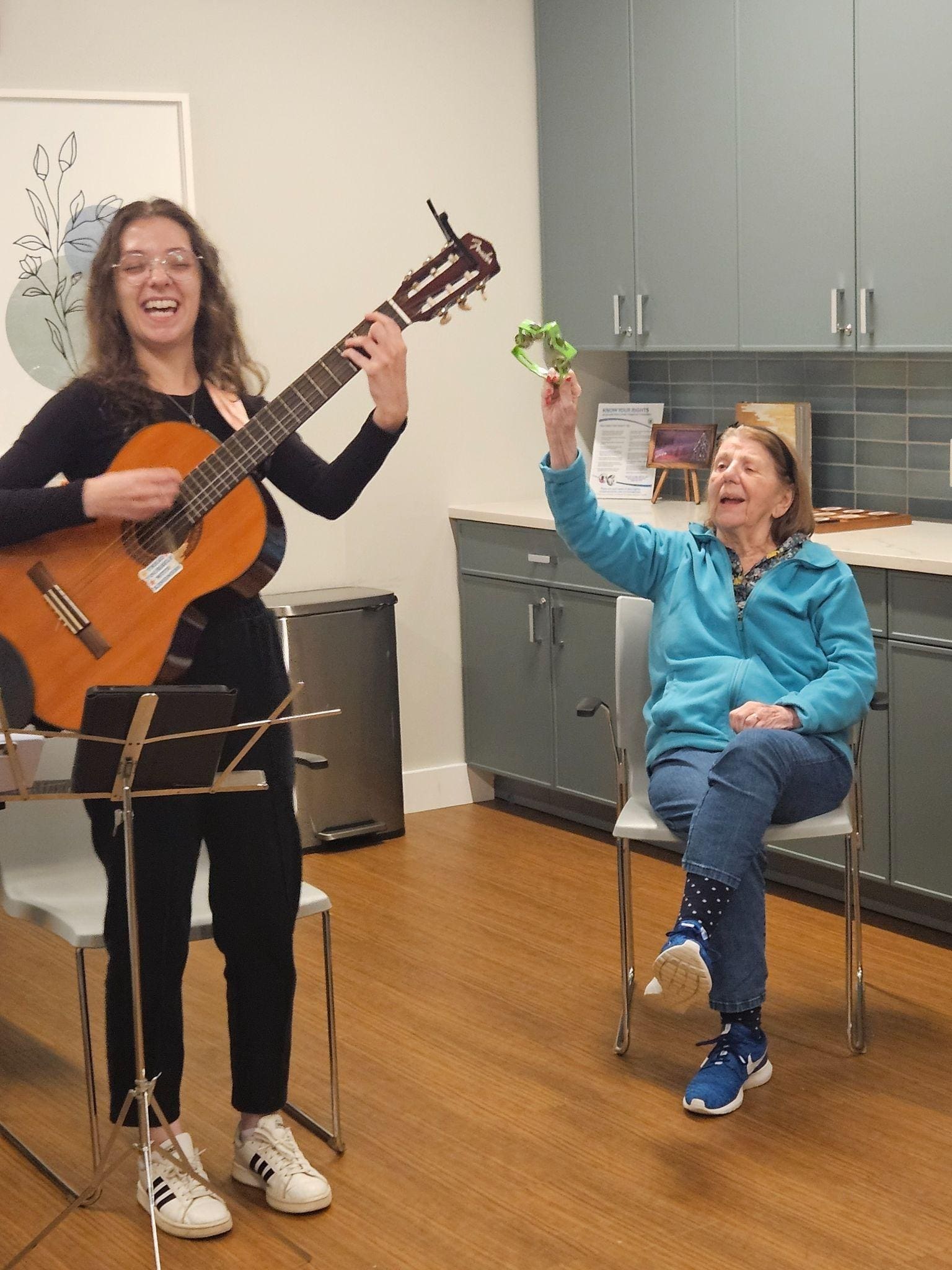
Strong programs blend several approaches rather than relying on a single method. The main components include but are not limited to:
- Cognitive stimulation therapy (group-based brain engagement)
- Cognitive rehabilitation (personalized daily-goal work)
- Cognitive training (targeted exercises for specific cognitive skills)
- Reminiscence and life story work (identity and mood support)
- Reality orientation (time and place reminders)
- Supportive therapies like music, pet visits, and sensory rooms
Memory care programs often include group sessions to encourage social interaction. Families and staff commonly observe that group-based activities help residents build a stronger sense of purpose and connection with others, easing the isolation that dementia can bring.
The Cordwainer typically combines these approaches based on the person’s stage of dementia, health status, and personal interests. Sessions are delivered in small groups plus one-on-one time, scheduled across the week in a predictable routine.
Cognitive Stimulation Therapy (CST): Group-Based Brain Engagement
Cognitive stimulation therapy uses themed group activities to support cognition, language, and social connection. It has become a widely used, well-established part of dementia care programming.
Sessions are typically run in small groups, led by trained facilitators in a calm, bright room, and follow a structured multi-week format. Sessions include word games, gentle debates about current events, simple problem-solving tasks, sensory activities, and discussions about familiar topics, all designed to maintain engagement and variety.
Families and care teams who use CST consistently often notice better engagement, more confident conversation, and small gains in attention and mood over several weeks. CST uses a variety of activities to encourage learning and create positive associations, and it’s one of the more widely recommended non-drug approaches for supporting people with mild to moderate dementia.
Types and Formats of CST Used in Memory Care
Group CST is the primary format in residential communities, centering on shared activities and social interaction in a group setting. After an initial cycle, maintenance CST continues with ongoing sessions to help sustain the gains residents have made.
Individual CST can be adapted for one-on-one sessions for residents who find groups overwhelming. Some communities experiment with virtual elements, such as simple video calls with family worked into CST themes but keep the technology straightforward.
The Cordwainer’s team monitors each resident’s response and may move between group CST and individual sessions to keep therapy enjoyable and effective. Cognitive training, which targets specific skills like memory and attention, can supplement CST between formal sessions.
Cognitive Rehabilitation: Personalized Support for Everyday Tasks
Cognitive rehabilitation is one-on-one therapy focused on specific daily goals like dressing, using a phone, or finding one’s way around the community. It focuses on improving daily functioning and task management, and it is especially valuable for residents with mild cognitive impairment or early-stage dementia who still perform many daily tasks but need structured support.
A therapist at The Cordwainer collaborates with residents and family to choose a small number of meaningful goals, such as safely preparing a simple breakfast, remembering appointments, or managing a favorite hobby. Cognitive rehabilitation centers on personalized goals for the daily tasks that matter most to that individual.
Strategies include step-by-step cue cards in large print, color-coded drawers, checklists by the door, and simple reminder alarms. Families often see residents maintain independence longer and gain confidence in completing daily tasks when this kind of structured support is part of their routine, and many find the benefits continue well beyond the initial sessions with ongoing support.
Restorative vs. Compensatory Approaches in Cognitive Rehabilitation
Restorative therapy involves practicing a weakened skill, such as recalling recent events, through repeated, structured exercises. Compensatory therapy teaches workarounds such as using a calendar, labeled photos of loved ones, or a simple notebook to track the day.
Most residents receive a mix of both. For example, a resident might use spaced retrieval to remember their room number or staff names, gradually lengthening the delay between prompts. Meanwhile, visual information like color-coded signage and labeled photos reinforces orientation throughout the day.
Families can be coached to use the same strategies during visits for consistency, creating a comprehensive approach that extends beyond scheduled sessions.
Life Story Work, Reminiscence, and Identity Support
Life story work captures a resident’s history, childhood, careers, hobbies, and loved ones in a concrete form, like a book or digital slideshow. Each life story becomes a tool for connection and care. The Cordwainer gathers these details from residents and family upon admission, including favorite music, important dates, and meaningful objects.
Reminiscence therapy involves discussing past events to evoke memories. Therapists use props like photos and music during sessions to gently prompt conversation and positive recall. Families and staff frequently observe improved mood and reduced feelings of sadness or agitation in residents who engage regularly with reminiscence activities, particularly during the earlier and middle stages of dementia.
Life story materials kept in each resident’s room can be used by staff during calm one-on-one visits or during times of agitation.
A stronger sense of self, easier communication with staff, and more personalized care are consistent things families notice.
Using Life Story Work Alongside Cognitive Therapy
Therapists integrate life story themes into cognitive stimulation therapy sessions. A former teacher might help “lead” word games. A retired carpenter might sort and identify types of wood as part of cognitive tasks. Linking therapy to past roles can improve attention and enjoyment, making exercises feel meaningful rather than like tests.
Life story information also helps staff avoid triggers linked to difficult past experiences and respond more sensitively if painful memories surface. Simple visual cues, like framed photos labeled with names, support memory and orientation in hallways and bedrooms, reinforcing navigation and recognition.
Other Forms of Cognitive Therapy and Support in Memory Care
Cognitive therapy programs rarely stand alone. Music therapy sessions featuring familiar songs from a resident’s younger years can unlock language and memories even in moderate dementia. Pet visits, like the simple act of stroking a dog or cat, often help residents settle and engage before or after cognitive exercises.
Reality orientation therapy provides gentle reminders about time and place through clocks, calendars, clear signage, and brief verbal prompts woven into daily routines. Gentle cognitive training tasks like word lists, simple puzzles, or matching games give the brain regular practice between scheduled sessions without causing fatigue.
Emotional and Behavioral Therapies That Complement Cognitive Work
Supportive, adapted conversation techniques help residents with dementia cope with anxiety, sadness, and frustration that often accompany cognitive decline. These approaches work well for residents with enough insight to talk through their worries, helping them feel heard and supported.
Sensory rooms, like The Cordwainer’s Rejuvenation Room or quiet corners with soft lighting, calming sounds, and tactile objects help residents who become overstimulated. These spaces offer a retreat when group activities feel overwhelming, and families often notice calmer moods afterward. Consistent routines and familiar staff are themselves comforting, helping residents feel more settled and more able to participate.
The Cordwainer trains staff to adjust expectations gently on difficult days, prioritizing comfort over performance while protecting dignity.
Designing a Day in a Cognitive Therapy Memory Care Program
A typical weekday for a resident at The Cordwainer follows a predictable rhythm. Mornings begin with orientation and light conversation over breakfast. Mid-morning brings a CST group session. After lunch, a rest period allows recovery before individualized cognitive rehabilitation in the early afternoon. Late afternoon might include a reminiscence or music session.
Energy levels and behavior patterns drive the schedule. More demanding cognitive activities happen earlier when residents are more alert. Staff weave memory aids and gentle prompts into everyday tasks like dressing, mealtimes, and navigating communal spaces. Evenings focus on calm, low-stimulation activities, such as quiet reading circles, soft music, or one-on-one life story chats, to support sleep.
Safety, Environment, and Secure Freedom of Movement
Environmental design supports cognitive health directly. Clear signage with icons and words, color-coded wings, and uncluttered hallways help residents orient. Secure doors and monitored courtyards allow residents to walk, garden, or sit outside safely.
Lighting, noise control, and consistent room placement reduce confusion. Safety features are intentionally discreet to avoid making the environment feel institutional but homey and comfortable. The goal is to give residents as much safe independence as possible while providing rapid support when needed.
Benefits for Residents and Loved Ones

Over months, cognitive therapy memory care programs deliver benefits that families can see. Residents show better preserved daily skills, less confusion at certain times of day, richer social interaction, and more moments of joy. Emotional benefits include reduced anxiety, a more stable mood, and a stronger sense of identity.
Loved ones benefit from regular communication with the care team, education about dementia, and guidance on improving the quality of visits. Support groups and family education sessions help caregivers understand what to expect. While the progression of Alzheimer’s disease and other dementias continues, families often report that these programs give them more “good days” and meaningful conversations to cherish. Residents and caregivers alike find that residents feel more connected when therapy is consistent.
How Families Can Support Cognitive Therapy During Visits
Loved ones don’t need to become a therapist to make a difference. Small, consistent actions help. Bring labeled photo albums, ask open-ended but gentle questions, sing familiar songs, or play simple word games recommended by staff.
Use the same memory aids and routines the community uses: refer to the large calendar, repeat key orientation phrases kindly. Pace conversations, allow extra time for responses, and avoid quizzing that feels like a test. Focus on shared enjoyment instead.
Keep a brief visit journal, noting which topics sparked the most engagement, and share it with The Cordwainer’s team.
Choosing a Cognitive Therapy Memory Care Program
Start orienting yourself when safety risks increase, caregiver burnout sets in, or a diagnosis of progressing dementia demands more structured support. A short checklist of what to look for:
- Trained staff in dementia care and clinicians who coordinate with outside physicians
- Regular cognitive stimulation therapy and personalized cognitive rehabilitation
- Visible memory aids in common areas
- Evidence of life story work and reminiscence programming
- Clear communication about how programs adapt as cognition changes
Ask about staff-to-resident ratios, how changes in behavior are handled, and how families stay informed. The Cordwainer invites families to tour, review sample activity calendars, and discuss how programs will be tailored to their loved one’s history and stage of cognitive impairment. The Cordwainer’s programming is organized around The Learned Environment℠, with Music Immersion, Artistic Exploration, and Language Discovery woven through every day. Pricing includes rent, personal care, programming and other services explained in detail at approximately $14,500 per month. To schedule a tour, visit cordwainermemorycare.com.
FAQ: Cognitive Therapy Memory Care Programs
Below are answers to common questions families ask when exploring a memory care program for a loved one.
When is the right time to move a loved one with mild cognitive impairment into a memory care program?
Many people with MCI live at home with support, but families should consider a memory care program when safety issues, isolation, or caregiver strain become significant. Starting earlier often allows the resident to settle into cognitive stimulation and rehabilitation routines while abilities are still relatively strong. Discuss timing with the diagnosing neurologist and arrange a consultation with The Cordwainer to review options. Moving before a crisis usually makes the adjustment smoother for everyone and allows the family member to enjoy their natural relationship again rather than being a caregiver. Every situation is individual, and planning ahead is less stressful than making emergency decisions.
Can cognitive therapy help if my loved one is already in the moderate or later stages of Alzheimer’s disease?
While gains are more limited in later stages, structured cognitive and sensory activities can still support comfort, mood, and moments of connection. Therapy goals shift toward maintaining simple routines, recognizing close loved ones, and reducing agitation rather than measuring progress on a test. Life story work, music, and gentle reminiscence often remain meaningful even when short-term memory is very weak. The Cordwainer adapts session intensity and length to avoid fatigue, focusing on the quality of experience. It is never too late to add supportive cognitive and emotional therapies.
How do you tailor cognitive therapy for residents with very different backgrounds and education levels?
Effective programs start with a detailed understanding of each resident’s medical history, education, work life, hobbies, and cultural background. Tasks are matched to each resident’s abilities so activities feel challenging but achievable, avoiding embarrassment or boredom. A former shopkeeper might practice practical money-handling exercises; someone with limited reading skills might engage through music-based sessions. The Cordwainer regularly reviews each plan and adjusts as dementia progresses or interests change. Respecting the person’s life story is central to preserving dignity and engagement.
What role do medications play alongside cognitive therapy in memory care?
Dementia medications can help manage symptoms for many residents, and care teams often find they work well alongside non-drug supports like cognitive therapy. Cognitive programs are not a substitute for prescribed treatment, but a calmer, more structured daily routine can make a real difference in a resident’s day-to-day comfort. Educated and certified care personnel at The Cordwainer can coordinate with outside physicians to monitor how residents respond to both medications and therapy. Families should share observations from visits, as mood or behavior changes can help guide medication decisions. Decisions about treatment are always individualized with input from residents, loved ones, and healthcare providers.
How can I stay involved in my loved one’s cognitive therapy program after they move into The Cordwainer?
Options include attending family education sessions, joining care plan meetings, and receiving periodic progress updates. Share new information about the resident’s life story, interests, or recent family events that can be woven into therapy. Coordinate visit times with meaningful sessions like music-based reminiscence or life story work. Families can learn simple exercises to use during visits so learning and therapy feel continuous. Ongoing communication between loved ones and The Cordwainer’s team builds a stronger support network and gives residents a sense of confidence and continuity. For further reading on dementia care, programming, and family guidance, visit The Cordwainer’s Resource Hub at cordwainermemorycare.com/resources.