
Key Takeaways
- Well-designed outdoor spaces in memory care can ease agitation, support calmer moods, and make daily life feel more normal for people living with dementia.
- The Cordwainer’s secure outdoor sensory gardens and looping walking paths give residents safe freedom of movement and regular access to nature.
- Outdoor environments in memory care are not just nice extras but working parts of dementia care that support emotional well-being, gentle exercise, and social connection.
- Families can use a simple checklist when evaluating outdoor spaces at any senior living community on Boston’s South Shore.
- An in-person tour of The Cordwainer in Norwell lets you see indoor and outdoor sensory gardens and The Learned Environment℠ programs firsthand.
Why Outdoor Spaces Matter in Memory Care
Picture a mild afternoon on the South Shore. A resident who has been pacing the hallway steps through a glass door into a courtyard filled with lavender, the sound of a small fountain, and dappled shade under a pergola. Within a few minutes, her shoulders drop. She sits on a bench, tilts her face toward the sun, and breathes in fresh air. Her restlessness fades.
This is not a rare moment. It is the kind of shift families and staff often notice when people living with dementia spend time outdoors. Natural environments reduce cortisol levels in people with dementia, and outdoor access improves mood and reduces agitation. Engaging with gardens can improve mood, reduce stress, and enhance the quality of life for residents. Thoughtfully designed landscapes reduce anxiety and encourage physical activity for residents living with memory challenges.
Not all outdoor spaces do this. A decorative patio that residents never visit is not the same as a dementia friendly outdoor space woven into daily life. Memory care refers to specialized residential care for people with Alzheimer’s disease and other dementias. Dementia care is a broader term that covers many levels of support. What makes outdoor spaces important in either setting is whether they are intentionally designed for actual use, not just curb appeal.
The Cordwainer is a purpose-built memory care community in Norwell, MA, on Boston’s South Shore. It was designed from the ground up with secure outdoor environments in mind, and its outdoor areas are part of every resident’s daily routine.
Emotional and Behavioral Benefits of Outdoor Environments

Spending time outdoors can ease anxiety, reduce episodes of agitation, and soften behavioral symptoms like pacing and restlessness for many residents. A systematic review of 16 studies published in the International Journal of Environmental Research and Public Health found that gardening therapy or visiting therapeutic gardens was associated with possible improvements in agitation, mood, stress, and engagement for people living with dementia. Fourteen of the 16 studies showed meaningful improvements in at least one area. These findings suggest possible benefits rather than guarantees, and the researchers note the need for larger studies.
Natural light, birdsong, moving water, and green views all support emotional balance. The sights and sounds of nature can spark long-term memories and encourage emotional expression. Outdoor environments reduce feelings of isolation in seniors with dementia. Nature reduces stress hormones and can support cognitive function.
Natural light exposure regulates circadian rhythms in seniors, and structured outdoor activities lower rates of sundowning. Regular outdoor exposure supports better sleep quality for people with dementia. Daily outdoor time supports better sleep, and many families notice calmer evenings after a good outdoor visit.
Signs families might see after outdoor time:
- More eye contact and easier conversation
- Fewer distressed or anxious expressions
- A calming environment that carries into the evening
- A stronger sense of comfort and quiet reflection
Sensory Stimulation and Cognitive Engagement Outdoors
A dementia friendly outdoor space provides gentle stimulation across all five senses. Colorful flowers and trees feed sight. Lavender, rosemary, and herbs provide smell. Wind and a fountain offer soothing sounds. Leaf textures and bark invite touch. Where appropriate, edible herbs bring taste.
Incorporating sensory elements into the design of outdoor spaces helps engage memory care residents. Sensory gardens should include non-toxic, fragrant plants and tactile features to aid engagement. Safe plant selections are crucial in dementia-friendly garden design to avoid hazards. These sensory experiences can stimulate memory. A resident might name flowers from a childhood garden or share stories about Cape Cod summers after feeling a warm breeze. Sensory gardens stimulate recognition and emotional responses in seniors and can evoke positive memories that open the door to conversation and participation.
Outdoor spaces enhance cognitive function and attention span. At The Cordwainer, this sensory stimulation connects directly to The Learned Environment℠, the community’s signature cognitive therapy program. Its Artistic Exploration pathway extends outdoors when residents paint flowers in the courtyard. Music Immersion comes alive through drumming circles on the terrace. Cultural and Language Discovery unfolds through storytelling in the garden. These outdoor activities are part of daily life, not occasional events.
The Cordwainer’s multi-sensory design spans both indoor and outdoor spaces. Thanks to the indoor sensory garden, residents enjoy access to nature and gentle stimulation year round, even during New England storms.
Gentle Physical Activity and Daily Life Outdoors
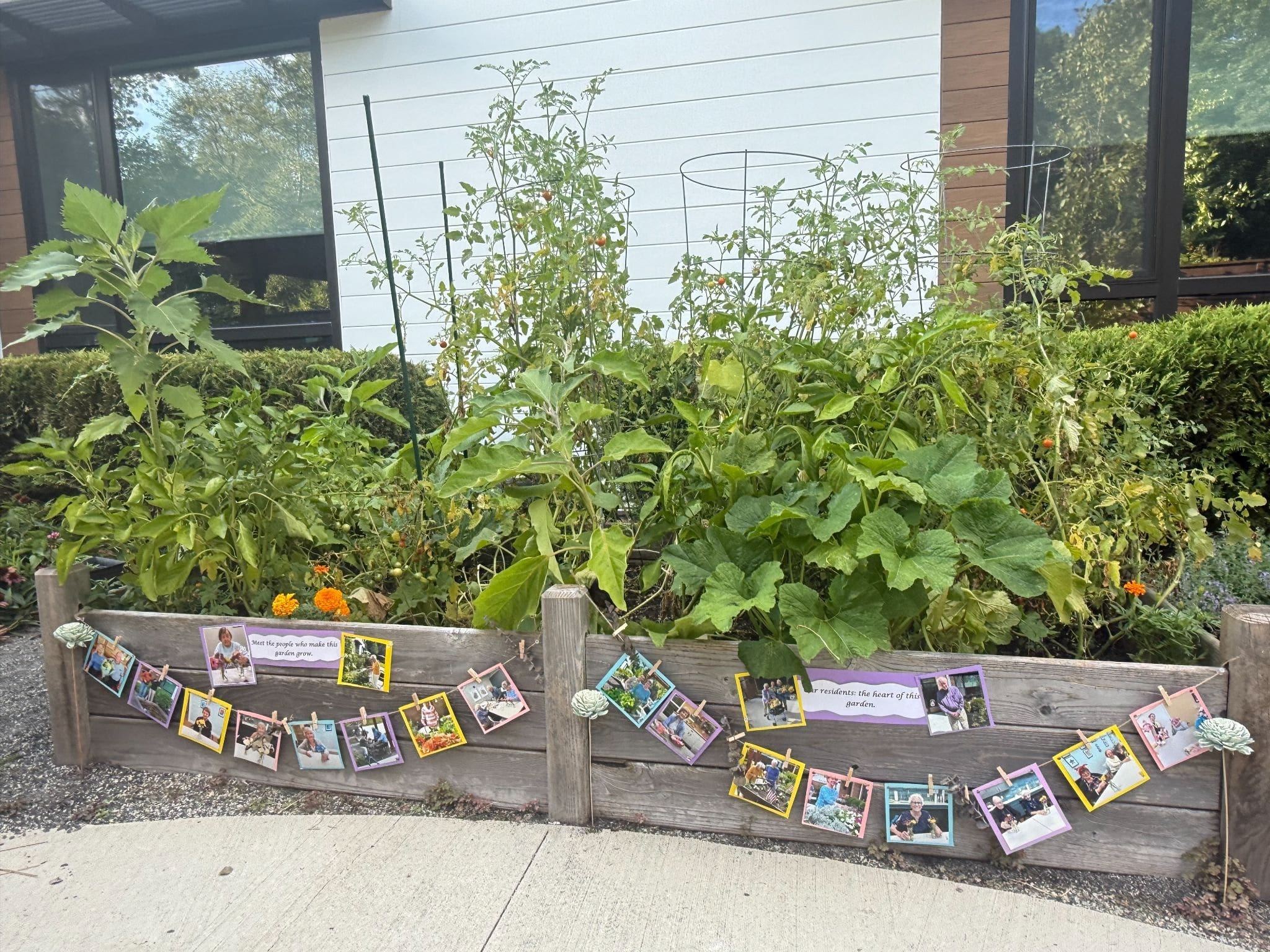
Outdoor spaces make gentle exercise feel natural. Slow walks along looped walking paths, stretching on a shaded terrace, tending raised flower beds, and helping water plants all keep many residents moving. Walking outdoors enhances cardiovascular health and mobility in seniors. This kind of purposeful movement supports balance, circulation, appetite, and helps many seniors stay active. Safe outdoor environments support the production of Vitamin D and overall immune function.
Integrating outdoor activities into daily life gives structure and predictability. Morning courtyard walks after breakfast, afternoon visits with family under the pergola, and gardening clubs before dinner all become anchors that help residents feel grounded. Structured outdoor activities reduce agitation in dementia care.
Staff at The Cordwainer are on-site around the clock to support safe outdoor access. They choose times of day and physical activity levels that match each resident’s abilities and comfort.
Imagine a spouse arriving after lunch. Instead of sitting in a lounge, they walk the courtyard loop together, arm in arm, pausing at a raised bed to smell rosemary. Exercise becomes shared time. The visit feels like a stroll through a neighborhood garden, not a therapy session.
Designing Dementia-Friendly Outdoor Space: Safety, Freedom, and Calm
Designing outdoor spaces for memory care requires balancing safety and sensory engagement. There is a difference between a retrofitted patio and a purpose-built secure outdoor space created specifically for people living with memory loss.
Key design elements of a dementia friendly outdoor space include:
- Secure perimeters that look like garden boundaries, not institutional fences. Secure perimeters are essential to prevent wandering while maintaining a sense of freedom. Secure outdoor spaces minimize wandering risks for dementia residents.
- Wide, non-slip pathways that accommodate walkers and wheelchairs safely, with handrails where needed.
- Continuous, looping pathways with no dead ends. Looped pathways prevent confusion and agitation in outdoor areas. Continuous circular walking paths prevent disorientation and frustration for memory care residents.
- Visual contrast in outdoor settings that helps residents with impaired eyesight navigate effectively. Clear visual cues and familiar landmarks support navigation and orientation in therapeutic gardens.
- Raised garden beds that allow participation for residents using wheelchairs or those with mobility challenges.
- Shaded seating areas at frequent intervals that protect residents from heat-related illnesses. Design elements like shade and weather protection contribute to comfort.
- Direct connections from dining areas and common rooms to outdoor areas for easy accessibility.
At The Cordwainer, this thoughtful design is part of the building’s DNA. The community features continuous looping circulation and no dead ends, both indoors and outdoors.
Sensory Gardens at The Cordwainer: Indoor and Outdoor
The Cordwainer sits on a quiet, wooded lot in Norwell on Boston’s South Shore. Its sensory gardens are among the most distinctive features of the community.
The indoor sensory garden rises two stories, flooded with natural light from a skylight above. A living moss wall lines one side. Live trees, seating, and a water feature fill the space. On a snowy January afternoon or a rainy March morning, residents can still sit among green spaces, listen to soothing sounds of water, and enjoy gentle stimulation without stepping outside. Year round usability is built in.
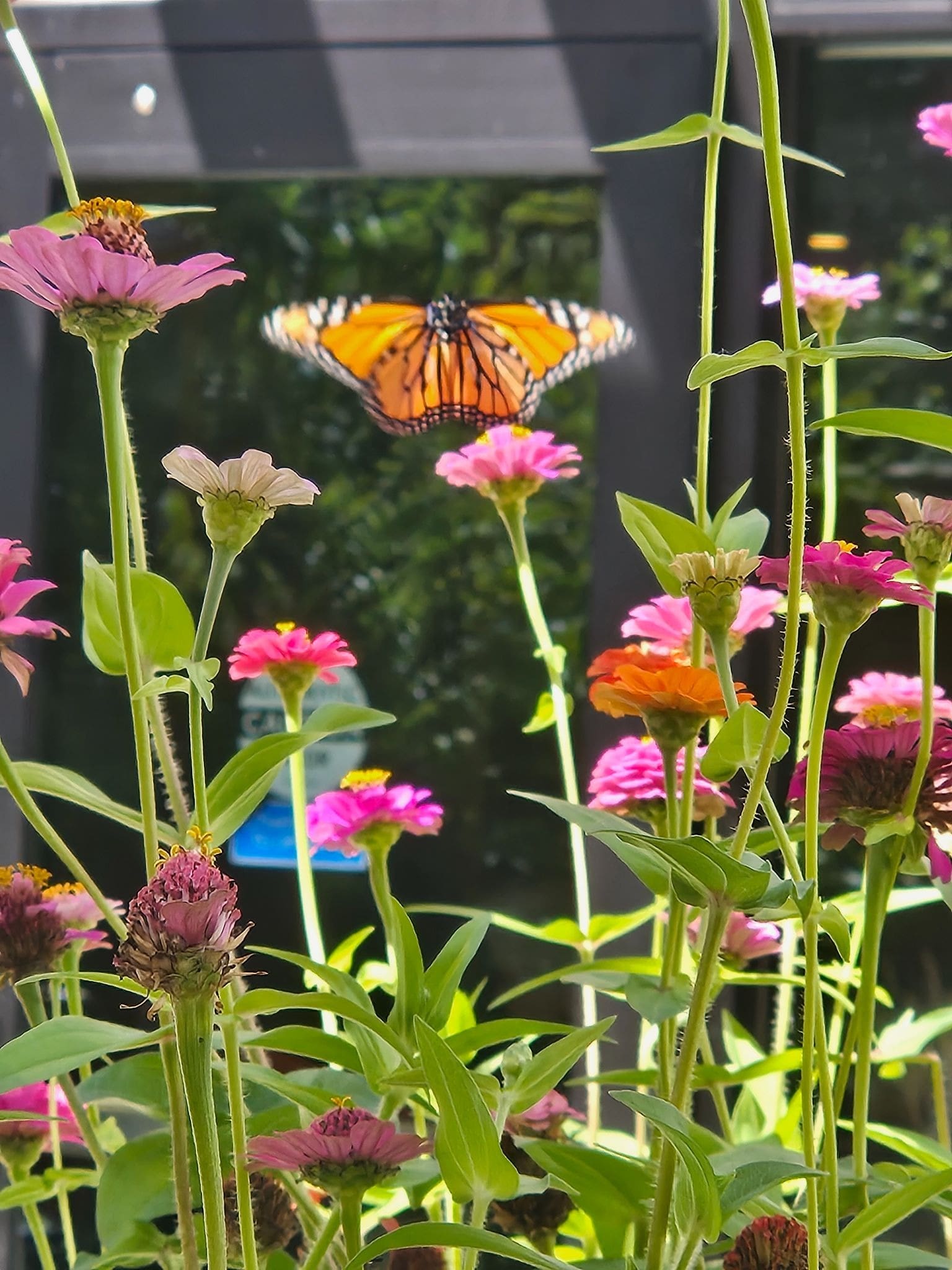
The secure outdoor sensory courtyard includes trees, raised planting beds filled with flowering and aromatic plants like lavender and rosemary, a fountain, and comfortable benches under covered patios and covered areas. Enclosed gardens wrap the space in safety without feeling closed off.
Staff use these gardens for specific memory care programming. The Learned Environment℠ sessions, Aging Gracefully activities, aromatherapy, hand massages, and small group events all happen here. Families are encouraged to join residents in the gardens during visits, turning them into communal outdoor areas that facilitate social interaction among residents and family members.
Evaluating Outdoor Spaces When You Tour Memory Care Communities
When you visit memory care communities across the South Shore, including Norwell, Hingham, Scituate, Cohasset, Hanover, and nearby towns, use this checklist for evaluating outdoor spaces:
| What to Look For | Why It Matters |
|---|---|
| Looped, non-slip pathways | Prevents confusion; supports safe wandering |
| Frequent, sturdy seating in sun and shade | Frequent seating areas encourage residents to rest and socialize comfortably during outdoor time |
| Raised garden beds | Allows residents with mobility challenges to participate |
| Secure but non-institutional fencing | Keeps residents safe without feeling like a locked yard |
| Direct access from dining rooms or common areas | Outdoor spaces should connect directly to dining areas for accessibility |
| Evidence of daily outdoor programming | Shows outdoor spaces provide real benefit, not decoration |
Questions to ask staff:
- How often do residents go outside?
- Are outdoor activities part of daily life or only scheduled a few times a week?
- Can residents go out independently within the secured garden?
- What happens on rainy days or during winter months?
Watch whether many residents are actually using the outdoor space during your tour. A garden that looks beautiful but sits empty is not doing its job. At The Cordwainer, outdoor environments are lived-in extensions of the building, not separate or locked-off areas.
How The Cordwainer Weaves Outdoor Spaces Into Its Memory Care Approach
Tamilyn and Bodo Liesenfeld, who own The Cordwainer, treat outdoor environments as central to daily life rather than add-ons. The Learned Environment℠ uses outdoor spaces for all three of its pathways. Artistic Exploration might mean painting or photography sessions in the courtyard. Music Immersion can include small music circles outside on mild days. Cultural and Language Discovery brings storytelling and language practice into the garden.
Indoor technologies like the Tovertafel light projection system bridge indoor and outdoor activity themes. Even when the weather keeps everyone inside, seasonal celebrations and nature-inspired play continue.
For families, this adds up to what a five-star memory care experience feels like: beautiful yet practical gardens, thoughtful design, gracious hospitality, and opportunities for meaningful visits that feel more like home than a facility. The five-star experience families look for is not about luxury for its own sake. It is about dignity, engagement, and time spent outdoors in spaces that actually support well being.
Staff are dementia-trained, supporting residents whether they are enjoying the indoor sensory garden on a cold afternoon or the courtyard on a June morning.
Family Visits and Everyday Moments Outside
What might an outdoor visit look like? Here are a few real possibilities:
- July afternoon: You and your mother share iced tea under a shady tree, watching a cardinal hop along a raised garden bed. She points and smiles. No words needed.
- October morning: Your father helps plant spring bulbs in a raised bed, pressing each one into the soil with careful hands. He tells you about the garden he kept in Quincy forty years ago.
- June evening: You bring a tablet and listen to Red Sox game audio together on a courtyard bench. The breeze carries the scent of rosemary. For a few minutes, it feels like a back porch at home.
Outdoor spaces encourage social interaction among residents and encourage spontaneous social interactions that might not happen indoors. Group activities in outdoor spaces foster friendships among residents. Natural settings promote relaxed social interactions for people living with memory loss.
These moments let spouses and adult children relax into more familiar roles. You become a daughter, a husband, a friend, not only a caregiver. Even brief periods outside can shift the emotional weight of a visit. Bring a favorite book to read in the garden, a small bouquet to arrange together, or vacation photos to talk about on a sunny bench.
The Cordwainer’s private family suite and welcoming common areas make it easy to move between indoor and outdoor spaces during a single visit, depending on weather and energy. Choosing professional memory care with strong outdoor environments can offer a quality of life that is difficult to duplicate at home, especially during New England winters.

Frequently Asked Questions About Outdoor Spaces in Memory Care
Are outdoor spaces safe for people living with dementia?
Outdoor spaces can be very safe when they are purpose-built for dementia care. Look for secured perimeters, looping pathways, non-slip surfaces, and seating that reduces fall risk. At The Cordwainer, outdoor environments are fully enclosed yet designed to look and feel like gardens, not locked yards. Staff are nearby and on-site at all times. Safety planning also includes weather awareness, shaded areas, access to water, and flexible outdoor programming that avoids extreme heat or icy conditions.
How often do memory care residents go outside?
Outdoor time should be part of daily life rather than a rare special event. Frequency varies by individual health, weather, and personal preference. The Cordwainer builds outdoor activities into regular routines, such as morning courtyard walks, gardening sessions, or simply sitting outside after lunch. Ask any community you tour how they handle rainy days, winter months, and very hot weather, and look for solutions like indoor sensory gardens that keep residents connected to nature year round.
What makes an outdoor space truly dementia-friendly?
A truly dementia friendly outdoor space includes secure but non-institutional boundaries, looped paths with no dead ends, clear sightlines, shaded rest spots, raised beds, and familiar, non-toxic plants. Easy access directly from common areas matters so residents can go outside without a long walk or elevator ride. At The Cordwainer, indoor and outdoor sensory gardens are designed specifically for people living with dementia, with plants and layout chosen for safety and calm.
Can spending time outdoors really help with agitation or sundowning?
Many families and care teams observe calmer moods, better sleep, and fewer late-afternoon challenges when residents have regular exposure to natural light and fresh air. Well-designed outdoor spaces can significantly reduce agitation and improve overall well being, and measurable calming effect has been reported in multiple studies. Outdoor time is one supportive strategy among many, and responses vary from person to person. Talk with The Cordwainer’s care team about how outdoor routines can be tailored to your loved one’s specific patterns and needs.
How can our family experience The Cordwainer’s outdoor spaces for ourselves?
Schedule an in-person tour of The Cordwainer in Norwell to walk the sensory gardens, see the looping pathways, and experience how outdoor environments are woven into daily memory care life. Families can also explore The Cordwainer’s online Resource Hub for more guidance on dementia care, outdoor spaces, and evaluating memory care communities. Bring your questions about outdoor activities, safety, and daily routines so the team can offer thoughtful, personalized answers during the tour.