
Explaining dementia to children requires patience and gentle honesty. When a grandparent receives a dementia diagnosis, most adults instinctively want to protect children from the difficult reality. But children notice changes, and without honest explanations, they often fill the gaps with fear, confusion, or self-blame. This guide from The Cordwainer, a memory care residence in Norwell, Massachusetts, walks you through how to talk to children of every age, what reactions to expect, and how to keep family relationships strong even as memory fades.
Key Takeaways
Children need honest, simple explanations of dementia as a brain illness, whether it is Alzheimer’s disease, vascular dementia, or dementia with Lewy bodies. Love and family relationships can remain strong even when memory changes.
Explain dementia to children early, using calm, age-appropriate language tailored separately for younger children (around 4–7) and older children (8–12+) and teens.
Common reactions like confusion, worry, anger, and embarrassment are normal. Adults should invite questions and hold regular check-ins after the dementia diagnosis.
Keeping kids involved in everyday visits and simple activities with their grandparents helps children understand what is happening and feel less scared.
A short FAQ at the end answers extra questions parents often have when starting these conversations.
Understanding Dementia in Simple Terms
Dementia is an illness called dementia that makes the brain work less well over time. It affects how a person acts, thinks, and remembers, gradually making everyday tasks harder. Dementia changes how the brain and body work together, which is why a grandparent may forget things, feel confused, or behave in unexpected ways.
Alzheimer’s disease is the most common cause of dementia, according to the Alzheimer’s Association. Other causes include vascular dementia, which results from reduced blood flow to the brain, and dementia with Lewy bodies, where abnormal protein deposits disrupt the brain’s chemical messengers.
A child-friendly way to frame it: dementia is like when the brain’s “message wires” get tangled or broken, so remembering and doing everyday things becomes harder. Children need honest explanations about dementia’s effects, and keeping the language concrete helps them make sense of what they see.
Two important reassurances every child needs to hear:
Dementia is not contagious. You cannot “catch” it from a loved one.
Nothing the child did, said, or thought caused the grandparent to become ill.
Dementia usually affects older people like grandparents, but every family’s story is different. Most people associate it with age, and that framing works well for early conversations.
How to Explain a Grandparent’s Dementia to Young Children (Around 4–7)
Younger children think very literally, so adults should use clear, simple phrases and repeat them often. Explain dementia using relatable comparisons for children based on their age rather than medical language.
Specific wording you can adapt:
“Grandma’s brain is sick, like when you get a bad cold, but doctors can’t make this kind of sickness go away.”
“Sometimes Grandma will forget words or forget your name for a moment, but she still loves you just the same way.”
Focus on concrete changes the child can actually see: the grandparent might repeat the same question, mix up days, or need help getting dressed. Use concrete metaphors to help children understand dementia. For example, you might say grandma’s brain is like a jigsaw puzzle with missing pieces, or a favorite story with pages out of order.
Keep explanations short, then pause and ask, “What questions do you have?” rather than overwhelming the child with detail. Books about dementia can help children understand the condition. Story-based picture books written for young readers give children a safe way to explore feelings and ask questions at their own pace.
Teach children that love and connection do not change despite memory loss. That single message matters more than any medical detail at this age.
Talking with Older Children and Teens About Dementia
Older children, pre-teens, and teenagers can usually handle more detail about a dementia diagnosis, but they may hide their feelings. A young person in this age range often wants to appear strong or unbothered, even when they feel confused or upset.
Dementia is a progressive brain disease that affects short-term memory, judgment, emotions, and sometimes movement or sleep. In conditions like dementia with Lewy bodies, a grandparent might experience visual hallucinations or have significant changes in alertness and movement. Use clear terms like “dementia” and “Alzheimer’s disease” rather than vague phrases, and encourage inviting them into appropriate conversations with doctors or nurses when possible.
Acknowledge uncertainty openly. You might say, “We don’t know exactly how quickly things will change, but we’ll keep you updated as we learn more.” This honesty builds trust.
Common reactions in older children include feeling embarrassed around friends, anger at the unfairness, or trying to act as if nothing is happening. Validate these emotions directly:
“You might notice Grandad asking the same question again and again or getting cross quickly. That’s the disease, not him being mean to you.”
Answer honestly, even when the answers are difficult. Children understand more than most people give them credit for, and vague reassurances can feel dismissive.
Common Reactions Children May Have (And How to Respond)
Children of all ages react differently, and there is no “right” way for young people to feel about dementia in the family. Children may feel a range of emotions when a family member has dementia, and every response deserves respect.
Common emotional reactions:
Feeling confused about why their grandparent is acting differently
Worry that other family members might get sick the same way
Guilt for feeling annoyed or frustrated during visits
Sadness about the loved one’s change they are witnessing
Fear about death and what the future holds
Behavioral signs to watch for:
Clinginess or anger outbursts
Becoming very quiet or withdrawn
School troubles or dropping grades
Not wanting to visit the person with dementia
Children internalize changes and often blame themselves for a loved one’s behavior. A child might think, “Grandma didn’t hug me because she’s angry with me,” rather than recognizing the illness. When you notice this, name the feeling: “I can see you feel frustrated. That’s normal. This illness affects the brain, not how much Grandma loves you.”
Children often feel confused about dementia changes, and kids might feel nervous visiting loved ones with dementia. Older children might appear uninterested or stay in their rooms more. This can be self-protection rather than a lack of love for the grandparent.
Encourage parents to check in regularly with simple prompts like, “How are you feeling about Nana these days?” rather than waiting for the child to bring it up. These common reactions are normal and manageable with support.
Practical Tips for Explaining Dementia Day by Day
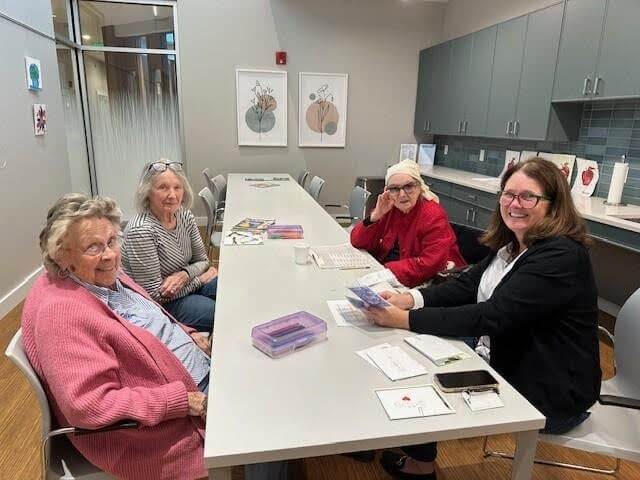
This section turns the big ideas above into everyday habits to help children understand and feel secure after the dementia diagnosis.
Choose the right moments. Unhurried settings like walks, bedtime, or car journeys work better than rushed mealtimes for deeper conversations about a loved one’s dementia.
Return to key messages often. Ongoing conversations about dementia help children process information over time. Repeat: dementia is a brain illness; it is not the child’s fault, and the grandparent still loves them even when they seem different.
Stay consistent across the family. Use the same simple explanation across family members so younger people hear a consistent story from every parent, grandparent, and carer involved.
Answer honestly but briefly. Short and honest explanations are essential for talking to children about dementia. Honesty is crucial when explaining dementia to children. When you don’t know something, say, “I don’t know, but we can find out together.”
Prepare for changes. Update children gently when there are noticeable shifts, such as the grandparent moving into a memory care community like The Cordwainer or needing more help. Surprises create anxiety; preparation builds a sense of safety.
Helping Children Stay Connected with a Grandparent Who Has Dementia
Meaningful connection is still possible and valuable, even when a person with dementia has memory loss or difficulty speaking. The relationship does not end because the illness begins.
Activity ideas for all ages:
Involve children through activities like looking at old photos or listening to music together
Drawing pictures, doing simple puzzles, watering plants, or sharing a snack
Singing favorite songs, which can reach parts of the brain that conversation cannot
Encourage children to introduce themselves by name when visiting, especially if the grandparent sometimes forgets who they are. Frame this as a kindness, not a rejection. Encourage children to speak slowly and clearly during visits so the grandparent can follow along.
Prepare children for unpredictability during visits. Before arriving, set expectations: “Grandma might fall asleep mid-conversation or ask the same question many times.” This reduces shock and helps kids feel less likely to feel embarrassed. Regular visits can calm residents with dementia, and short, frequent visits work better than long, exhausting ones, particularly for younger children. It is okay if a child sometimes chooses not to visit.
Small rituals, like always bringing a drawing or reading the same book, help children feel secure and keep memories alive. Post-visit conversations help children process their feelings, so spend time afterward asking what they noticed and how they feel.
Supporting Children’s Feelings and Mental Well-being
Living alongside dementia can be emotionally heavy for young people, and they may need ongoing emotional support well beyond the first conversation.
Normalizing children’s feelings about dementia supports open communication. A wide range of strong emotions, including sadness, anger, relief, and confusion, is acceptable. Reassure children and older children that none of these feelings makes them a “bad” grandchild.
Simple coping tools:
Talking regularly to a trusted adult or parent
Drawing or journaling about their loved one
Keeping a “memory box” with photos, letters, or small keepsakes
Spending time with friends and hobbies to maintain balance
Children may bottle up emotions regarding dementia, so watch for signs that a child might need extra help: persistent sleep problems, big changes in appetite, constant worry, or withdrawing from activities they once enjoyed. If these persist, consider working with school wellbeing staff, counselors, or pediatric mental health professionals. These adults can support both learning and emotions.
Parents should also look after their own emotional health. You will answer questions and offer comfort more calmly when your own well-being is steady.
When the Grandparent’s Dementia Progresses or Nears the End of Life
Many families affected by dementia eventually face harder questions about disease progression and what will happen as the illness worsens. In the early stages, changes may be subtle, but over time, a grandparent may experience more confusion, greater physical frailty, difficulty speaking or swallowing, or a move into a dedicated memory care community.
Age-adjusted language helps. For younger children: “Grandad’s brain is forgetting how to tell his body to work the way it used to.” For older children and teens, you can be more direct about the body shutting down and what end-of-life care looks like.
Encourage children to say goodbye in ways that feel right: visits, letters, drawings, or shared stories. There is no “right” or “wrong” way. Explain funerals, memorials, or cultural rituals in advance using concrete details, and check what the child wants to be involved in.
After death, keep the memory of the person alive. Story-sharing nights, photo books, and ongoing conversations about who they were, both before and during the illness, give children a way to grieve and remember.

How The Cordwainer Supports Families Navigating Dementia
The Cordwainer is a family-owned and operated, purpose-built memory care community in Norwell on Boston’s South Shore, founded by Tamilyn and Bodo Liesenfeld. Designed from the ground up exclusively for memory care, The Cordwainer offers a secure environment with looping pathways, sensory gardens, and a living moss wall, all built around the needs of people living with dementia. Daily life is structured around The Learned Environment℠, The Cordwainer’s signature approach built on three pillars: Music Immersion, Artistic Exploration, and Language Discovery. For families navigating a grandparent’s dementia diagnosis, The Cordwainer also offers caregiver support groups and a private family suite, because supporting the whole family is as important as caring for the resident.
If your family is beginning to consider memory care for a grandparent, we welcome you to schedule a personal tour of The Cordwainer at cordwainermemorycare.com. Families who want a personalized guide to funding options, including VA benefits, home equity strategies, and long-term care insurance, can take The Cordwainer’s free Cost Readiness Quiz at planning.cordwainermemorycare.com.
Frequently Asked Questions About Explaining a Grandparent’s Dementia
Below are extra questions parents often ask when they first begin explaining dementia to children.
Should I use the word “dementia” with my child, or just say their grandparent’s memory is bad?
It is usually helpful, even for young people, to learn the real name of the illness so they do not imagine something worse or blame themselves. Pair the word with a simple explanation: “Dementia is the name of the sickness that is making Nana’s brain have trouble remembering things.” If you have not used the word before, you can start now by saying, “We’ve been talking about Nana’s memory. The doctor has told us the name of the illness is dementia.” Children understand more when they have the right vocabulary.
What if my child doesn’t want to visit their grandparent anymore?
It is common for children to feel scared, bored, or upset during visits. Forcing long visits can make things worse. Explore why: is it the smell of the community, fear of medical equipment, or feeling ignored? Suggest alternatives like shorter visits, bringing a friend, video calls, or sending drawings and letters. The goal is to gently keep the connection alive in unexpected ways without creating dread.
How much detail should I give about the future, especially if dementia is getting worse?
Children usually benefit from honest but measured information. Focus on the next few visible steps: “Grandma may need more help walking” or “Grandad might move into a memory care community where trained staff are available around the clock.” Revisit the conversation as changes happen, checking what the child has noticed and what they worry about, rather than trying to fully understand everything at once.
Could my child get dementia because it runs in the family?
Most children and young people do not need to worry about getting dementia anytime soon, even if more than one family member has had it. A child-friendly explanation: “Some illnesses can happen more in some families than others, but dementia is something that usually affects people when they are old, not children.” Encourage them that looking after their brain and body through sleep, movement, food, and friendships is the best thing they can do right now.
How can I tell if my child needs professional help to cope?
Watch for warning signs that last more than a few weeks: constant sadness or anxiety, nightmares, big changes in school performance, aggressive behavior that feels out of character, or talk about not wanting to be alive. Speak first with your GP, pediatrician, or school counselor, and frame professional support as extra help rather than a punishment. Seeking help early can protect the child’s mental health and help the whole family adjust to life with dementia more safely.