
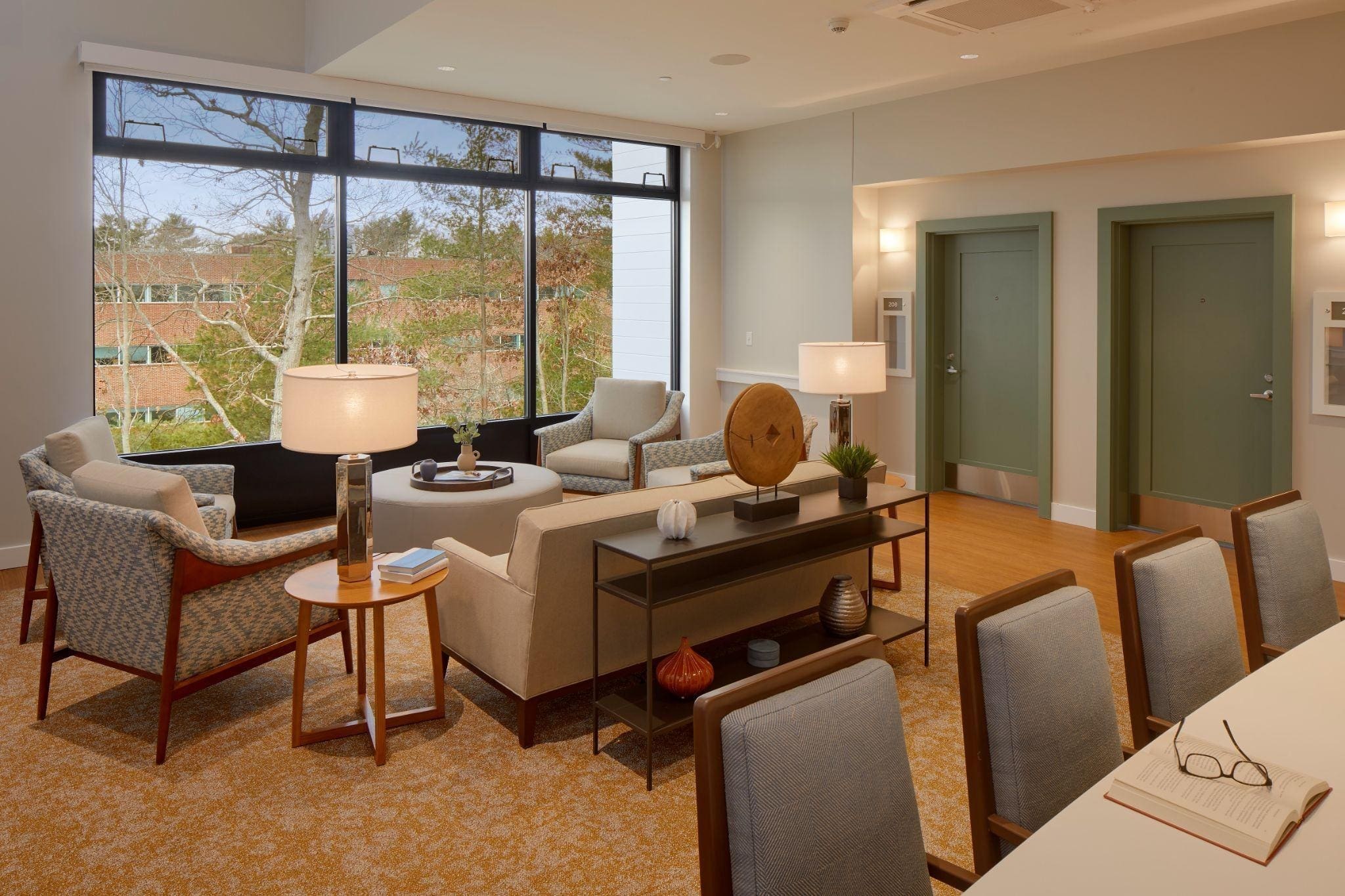
When someone you love begins to struggle with memory loss, every decision feels urgent, and every option feels uncertain. Plymouth County, MA, is home to dozens of specialized dementia care communities, each offering different levels of support, different environments, and different price points. This guide from The Cordwainer walks you through the landscape of dementia care in Plymouth County, MA, and provides options so you can move forward with clarity and confidence rather than guesswork.
Key Takeaways
- Plymouth County, MA, offers a wide range of dementia and memory care communities, from small homelike residences to larger campuses with skilled nursing on site. With 42 memory care facilities available across the county, families have a real choice when supporting a loved one through cognitive decline. Whether you are looking for a quiet, intimate setting or a full-service campus with rehabilitation, the South Shore delivers options that match different budgets, care stages, and personalities.
- Communities across Plymouth County range from small, homelike dedicated memory care residences to larger multi-level campuses that combine assisted living, memory care, and skilled nursing. Later sections of this article describe the different models families will encounter and what sets them apart.
- Plymouth is now recognized as an Age- and Dementia-Friendly Community through Dementia Friendly America, Massachusetts, and AARP, which means better support not only inside care communities but across local transportation, housing, and nearby towns. This designation was finalized in 2024 and reflects years of collaboration between local government, UMass Boston, and community advocates.
- Memory care costs in Plymouth County vary by acuity, room type, and location, with premium, fully all-inclusive communities on the South Shore reaching $12,000 to 19,000 per month or more. Families should compare not just the quoted rate but what each community includes, since base rates at many communities do not cover medication management, personal care, or specialized programming.
- Family members should visit multiple dementia communities in person, ask detailed questions about staffing, engaging activities, and safety, and use this article as a step-by-step checklist while touring. The right community should feel safe, respectful, and genuinely aligned with your loved one’s personality and history.
Understanding Dementia Care in Plymouth County, MA
Learning that a loved one has been diagnosed with Alzheimer’s disease or another form of dementia can turn a family’s world upside down. The questions come fast: Where will they be safe? Who will know how to help? What does good care even look like? If you are searching for answers on the South Shore, you are not alone. Plymouth County has quietly become one of the strongest regions in Massachusetts for specialized dementia support, with communities ranging from cozy residential homes to large campuses offering every level of senior care.
In Massachusetts, memory care communities and dementia care services refer to residential settings specifically designed for individuals living with cognitive impairment. Memory care is designed for individuals with dementia. Unlike standard assisted living, which provides general assistance with daily activities such as bathing and meal preparation, memory care goes further. It includes secure environments built to prevent wandering, trained staff who understand the behavioral and emotional dimensions of dementia, structured daily routines that reduce anxiety, and help with activities of daily living like dressing, grooming, and medication management. Memory care communities offer specialized programming for cognitive stimulation, including art, music therapy, and sensory activities tailored to each resident’s abilities. Assisted living does not typically include these memory-specific services.
Plymouth County’s geography creates a diverse mix of care settings. Cities like Brockton and Plymouth itself are home to larger assisted living communities and skilled nursing centers, while coastal towns such as Duxbury, Scituate, and Marion tend to host smaller, more intimate dementia care communities. Nearby towns like Hanson, Lakeville, Norwell, and West Bridgewater also contribute options, meaning families can often find a setting that matches both their practical needs and the personality of their loved one.
Many local communities combine multiple levels of care under one roof, offering both short-term and long-term dementia or Alzheimer’s care. This can be a significant advantage for residents whose needs may shift over time. Throughout this guide, The Cordwainer aims to help families exploring Plymouth County options understand what distinguishes one community from another, so you can make a decision grounded in facts rather than fear.
Plymouth as an Age- and Dementia-Friendly Community
In 2024, Plymouth officially received an Age- and Dementia-Friendly Community designation through Dementia Friendly America, Massachusetts, and the AARP Network of Age-Friendly States and Communities. This is more than a title on a plaque. It represents a concrete, multi-year commitment to making Plymouth a place where older adults and those with cognitive decline can continue to live, shop, worship, and participate in their town.
The Plymouth Senior Task Force, working with UMass Boston’s Gerontology Institute between 2021 and 2024, conducted detailed assessments of housing, transportation, health services, and social participation for seniors and those living with dementia. Their findings were sobering: 16 percent of survey respondents reported conditions that limited their daily participation, and among those age 80 and older, that number rose to 35 percent. Those results helped shape a set of priorities that now guide the town’s planning.
What does this designation mean in everyday terms for Plymouth residents and their family members? It translates into:
- Dementia-aware first responders who understand how to interact with someone experiencing confusion or distress
- Improved signage and wayfinding in public buildings and downtown areas
- Training programs for local businesses so shop owners, bank tellers, and restaurant staff can better serve customers experiencing memory loss
- Enhanced programming at the Council on Aging and local senior centers, including educational presentations on caregiving that are frequently hosted at these locations
- Stronger coordination with organizations like Old Colony Elder Services
The Age- and Dementia Friendly Plymouth initiative also aims to help residents stay engaged in community living, whether that means shopping in downtown Plymouth, walking near Plymouth Beach, or attending faith services, even as cognition changes. Dementia Friendly Massachusetts promotes accessibility to businesses for those with memory loss, and Plymouth’s participation is a visible example of that mission at work.
The Cordwainer fits into this dementia-friendly vision by emphasizing purpose, inclusion, and family partnerships, offering families on the South Shore a distinct approach grounded in purpose-built design and family involvement.
Types of Dementia & Memory Care Communities in Plymouth County
Plymouth County offers several types of dementia-focused senior living. Understanding these categories will help you narrow your search before you ever schedule a tour.
Dedicated memory care communities are designed specifically for residents living with dementia or Alzheimer’s disease. These communities focus exclusively on memory care services, with secured neighborhoods, dementia-trained staff, Mediterranean-based nutrition and programming built around cognitive engagement. Communities of this type offer personalized care for residents with dementia, including assistance with daily living activities, structured daily routines, and medication management. They also provide secure environments to prevent wandering, a critical safety feature for residents who may become disoriented.
Assisted living with memory care neighborhoods combines traditional assisted living and memory care under one roof. Residents who do not have dementia live in the broader community, while those with cognitive impairment move into a smaller, secure wing or neighborhood designed for their needs. This model can be a good fit for couples who need different levels of care but want to remain in the same senior living community. The Cordwainer offers companion suites with two bedrooms that are often used for the same purpose.
Skilled nursing and rehabilitation centers with dementia programs are appropriate for residents who have both cognitive decline and complex medical needs. These communities offer 24-hour nursing supervision alongside dementia care, and often serve residents who need wound care, IV therapy, or ongoing physical rehabilitation in addition to dementia support. They are by nature institutional health care and cannot be compared to the non-institutional homey atmosphere of The Cordwainer.
Multi-level or continuing care campuses allow residents to move from one level of care to another without relocating to a completely different provider. This model minimizes disruption and gives families peace of mind knowing that transitions are handled smoothly.
What Families Encounter When Touring Plymouth County Communities
Across Plymouth County, families researching dementia care will find a wide spectrum of environments and philosophies. Some communities are large campuses that layer assisted living, memory care, and skilled nursing together on a single site, which can be valuable for residents whose medical needs may intensify over time. Others are smaller, more intimate residences that focus exclusively on memory care and emphasize a homelike environment with high staff familiarity.
Coastal towns tend to host smaller, boutique-style memory care residences, while towns with larger hospital systems and rehabilitation infrastructure, such as Brockton and Plymouth Center, tend to host bigger multi-service campuses. Some non-profit communities in the county have built strong reputations around staffing ratios well above the state average, along with high resident satisfaction scores. Families evaluating any community, regardless of size or ownership structure, should ask for specifics: staff-to-resident ratios by shift, dementia-specific training and certifications, average tenure of caregiving staff, and what is and is not included in the quoted monthly rate.
The Cordwainer: A Purpose-Built Memory Care Community in Norwell
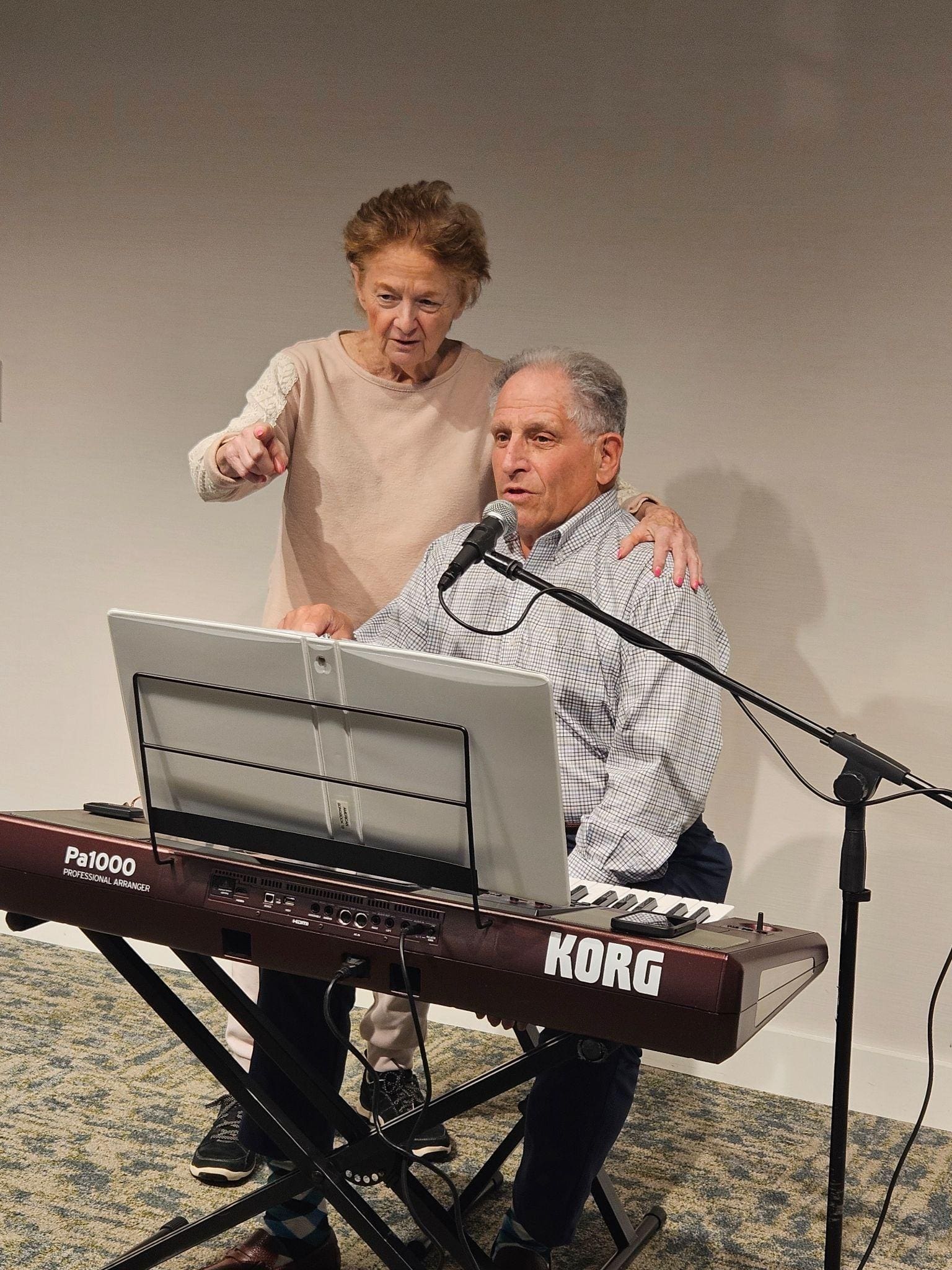
For families searching for memory care on the South Shore, The Cordwainer in Norwell offers a fundamentally different approach from communities that began as, or still operate as, general assisted living. Where many memory care options in Plymouth County are wings within larger assisted living campuses or converted senior living buildings, The Cordwainer was designed from the ground up, and only for memory care. That distinction shapes everything from the layout (looping pathways with no dead ends, a living moss wall, sensory gardens) to the staffing model to the daily experience of residents.
The signature framework at The Cordwainer is The Learned Environment℠, a research-informed approach built on three pillars: Music Immersion, Artistic Exploration, and Language Discovery. Rather than generic activity calendars, these pillars structure each day around meaningful engagement that connects residents to their identities and histories. Families consistently observe improved mood, social re-engagement, and a greater sense of purpose in residents who participate.
The Cordwainer is family-owned and operated by Tamilyn and Bodo Liesenfeld, and that ownership is felt in how the community runs. Families are genuine partners, not visitors: a private family suite is available for family celebrations and events, on-site support groups help caregivers navigate the emotional weight of dementia, and the goal throughout is to reduce the isolation that so many family members experience. Pricing is at approximately $14,500 per month, covering rent, nutrition, personal care, medication management, programming, and other support services explained in detail with no add-on billing. To schedule a tour and see The Cordwainer in person, visit cordwainermemorycare.com or call the community directly.
Costs of Dementia & Memory Care in Plymouth County
Memory care is more expensive than standard assisted living because of higher staffing levels, secure design, and specialized dementia programming. Understanding what you will pay and what drives those costs is essential for realistic planning.
Memory care costs across the South Shore range considerably, and the most useful comparison point for families is the top of the market rather than a low average, since low-end quotes often exclude services that are standard at other communities. At the top of the market, which is where communities with purpose-built environments and specialized programming tend to sit, monthly rates run from roughly $12,000 to $15,000 or more. That figure is meaningful context: communities in this tier typically include rent, nutrition, medication management, personal care, and enrichment programming yet broken down and explained in detail, while lower-quoted rates at other communities often add those services separately, so the sticker price alone can be misleading.
When evaluating cost, the most important question is not what a community charges but what that charge includes. Medication management, incontinence care, behavioral support and many more possible services are to be considered. Asking for a complete written breakdown of what is and is not covered in the rate is the single most useful thing a family can do before signing a contract.
Within Plymouth County, coastal towns like Hingham, Duxbury, and Norwell typically sit at the higher end of the price spectrum, reflecting both their desirable locations and the higher staffing and programming standards common in those communities. Memory care costs in Plymouth center and surrounding inland towns can vary somewhat differently, though the range within any given town can still be significant, depending on whether a community is purpose-built or a converted assisted living wing.
What drives memory care costs upward?
- 24/7 nursing availability: Health care facilities with registered nurses on every shift charge more, but this can be essential for residents with complex medical needs
- On-site rehabilitation: Communities that include physical, occupational, and speech therapy add this cost to the monthly bill, whether itemized separately or built into an all-inclusive rate
- Private versus semi-private rooms: A private suite can cost 30–50 percent more than a shared room
- Amenities: Secured courtyards, specialized dining programs, chef-prepared meals adapted for texture and taste, and robust activity calendars all contribute to higher pricing
- Location: Waterfront or suburban communities with scenic grounds or a serene location such as The Cordwainer, command a premium over urban settings
For families navigating these figures, it helps to know that some communities accept Medicaid or veterans’ benefits, and that the Massachusetts Home Care Program offers services for residents over 60 diagnosed with Alzheimer’s or related dementia. Ask every community you tour for a full written breakdown of what is included in their base rate and what costs extra. The Cordwainer’s rate of approximately $14,500 per month includes rent, nutrition, medication management, personal care, specialized programming, and further support services, all of which are broken down and covered, with no add-on billing. Families who want a personalized guide to funding options, including VA benefits, home equity strategies, and long-term care insurance, can take the Cost Readiness Quiz at planning.cordwainermemorycare.com.
How to Choose the Right Dementia Community for Your Loved One
This section is designed as a practical, step-by-step checklist that family members can print and bring on tours. Choosing a memory care community is one of the most consequential decisions a family will make, and having a framework keeps emotion from overwhelming the process.
Start with a needs assessment. Before you visit a single community, sit down and honestly evaluate your loved one’s current condition and likely trajectory. Consider the stage of dementia or Alzheimer’s, mobility level, presence of Parkinson’s or other conditions, behavioral patterns like sundowning or agitation, and whether they might benefit from on-site rehabilitation or a continuing-care-style campus that offers multiple levels of care.
Prioritize location and access. How far is the community from the primary family caregiver? Is it near a hospital you trust? Are there familiar places nearby, like faith communities, parks, or local beaches, that could be part of supervised outings?
Ask about staff training and ratios. This is where the difference between adequate and excellent care becomes visible. Ask these questions on every tour:
- What dementia-specific training do your caregivers receive?
- How many residents does each staff member care for during the day? During the evening? On weekends?
- Does the community use approaches like validation therapy, music therapy, or Montessori-inspired activities?
- Are there certified dementia practitioners on staff?
Focus on safety features. Memory care includes safety measures to prevent wandering, but implementation varies widely between communities. Ask about:
- Secured entrances and exits
- Monitored courtyards and outdoor walking paths
- Emergency pendant or pull-cord systems in every room
- Fall-prevention design, including grab bars, non-slip flooring, and low beds
- Protocols for residents who wander or become disoriented
Evaluate lifestyle fit. The right community should match your loved one’s personality, not just their clinical needs. Pay attention to:
- Daily schedules: Is the environment quiet and calm, or lively and social?
- Pet policies
- Availability of outdoor walking paths and access to nature
- Support for hobbies like gardening, art, or faith practices
- How dining is handled, including whether the community accommodates specific dietary needs
Ask how the community involves family members. Some dementia care communities actively encourage family participation, while others keep relatives at arm’s length. Ask about:
- Care plan meetings and how often they occur
- Family support groups are hosted on-site
- Regular updates via phone, email, or a family portal
- Flexible visiting hours versus restricted schedules
- Whether any restrictions on visiting apply during illness outbreaks
Supporting Family Members Through the Dementia Journey
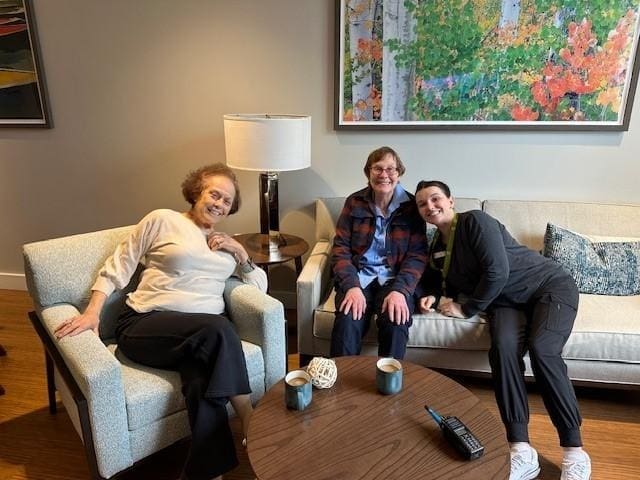
Dementia not only affects the person diagnosed. It reshapes the lives of spouses, adult children, siblings, and grandchildren. The grief can start long before a physical loss, and the emotional weight of caregiving is relentless. The Cordwainer believes that supporting families is not a side benefit of dementia care; it is a core responsibility.
Most dementia communities in Plymouth County offer some combination of family support services. These typically include:
- Family support groups where caregivers share experiences and coping strategies with others who understand
- One-on-one care conferences between families and clinical or care staff to review the care plan and adjust as needs change
- Educational workshops on topics like understanding dementia behaviors, managing agitation, and communicating with a loved one whose language is declining
- Counseling during transitions to higher levels of care, such as moving from assisted living to a memory care neighborhood or from memory care to skilled nursing
Respite care and short-term stays deserve special mention. Many Plymouth County communities that combine assisted living and memory care offer temporary stays so family caregivers can rest, travel, or recover from illness without compromising a loved one’s safety. This is not a luxury. It is a necessity. Caregiver support programs provide resources and stress-relief strategies for families dealing with dementia, and taking advantage of them is one of the most effective ways to sustain your own well-being.
Even after move-in, family involvement matters enormously. Visit regularly. Attend activities when you can. Share family photos, favorite songs, and life stories with staff so they can reference them during daily interactions. Advocate for your loved one’s preferences around routines, food, and cultural or religious traditions. Staff who know that your mother loved gardening or that your father always drank coffee at 6 a.m. can create moments of recognition and comfort that clinical protocols alone cannot deliver.
Stress on caregivers is a major risk factor for burnout, depression, and serious health problems. Choosing a specialized memory care environment does not mean giving up on a loved one. In many cases, it actually strengthens family relationships by allowing relatives to focus on connection rather than constant supervision. When you are no longer exhausted from managing medications, preventing falls, and worrying about wandering at night, you can be truly present during visits.
Nearby Communities and Continuing Care Options
Some families prefer to keep a loved one close to their long-time home or to a specific hospital network. Others find that looking slightly beyond Plymouth County’s borders, while staying on the South Shore or South Coast, opens up communities with different strengths or price points.
Plymouth County residents sometimes look toward Greater Boston towns like Quincy or Weymouth for additional dementia and Alzheimer’s care options, especially if those communities offer particular religious programs, cultural alignment, or proximity to family. Families from Brockton, for example, may have connections in Quincy that make a Norfolk County option practical despite the county line.
A continuing care retirement community is a campus that offers independent living, assisted living, memory care, and skilled nursing in one place. The advantage is simple: as dementia progresses, a resident can move to a higher level of care without leaving familiar surroundings, staff, and routines. This kind of setup delivers the benefits of continuity while reducing the trauma of relocation. However, a continuing care community can never focus on a resident with dementia, be built to optimally serve dementia care needs and provide the level of cognitive stimulating programming as stand-alone memory care residences such as The Cordwainer do.
When building your short list, consider creating a regional map of options that includes towns across Plymouth County and the South Shore. Factor in transportation time for regular visits, because the community that looks perfect on paper loses its appeal if the drive is so long that visiting becomes a burden. Consistency of family presence is one of the strongest predictors of quality of life for memory care residents.
Q&A: Dementia Community Plymouth County, MA
This section answers common, practical questions about dementia communities in Plymouth County that were not covered in depth earlier. Each answer is based on The Cordwainer’s experience guiding families through placements across the South Shore. Specific details like pricing, bed availability, and admissions timelines for individual communities should always be confirmed directly with each provider, as they change frequently.
How early should we start looking for a dementia community in Plymouth County?
Families are often surprised by waitlists at popular communities throughout the county. Beginning your research 6 to 12 months before a likely move is ideal whenever possible. Dementia is unpredictable, and having a plan in place before a crisis means you are choosing from a position of clarity rather than desperation.
Some communities may occasionally have immediate openings, especially for semi-private rooms or higher-acuity skilled nursing beds. But counting on last-minute availability is risky, particularly for private rooms in smaller memory care neighborhoods.
To prepare, get on interest lists at your top two or three communities. Tour each one in person. Organize financial documents in advance, including powers of attorney, long-term care insurance information, and any veterans’ benefits paperwork, so you can act quickly if a suitable space opens. Having these documents ready can shave weeks off the admission process.
Often, dementia requires immediate action if an unsafe situation occurs, a fall happens or any other reason is given that a loved one with dementia needs more care than can be rendered privately. The Cordwainer is always helpful in finding solutions to those immediate needs.
Can dementia residents still enjoy outings around Plymouth and the South Shore?
Yes, and this is an area where Plymouth County dementia care really shines. Many memory care programs organize supervised outings to familiar local spots. These might include scenic drives along the waterfront, visits to local beaches, rides through nearby towns, or trips to local farm stands and ice cream shops. Senior care communities on the South Shore have a geographic advantage here: the landscape is beautiful, accessible, and varied.
Outings are carefully planned with dementia safety in mind. Expect small group sizes, extra staff support, accessible transportation vehicles, and clear protocols for emergencies. Some communities adjust outing frequency and complexity based on each resident’s stage of cognitive impairment, so a resident in earlier stages may go on weekly outings while someone with advanced dementia might enjoy shorter, more sensory-focused trips.
When touring, ask each community specifically how often they go off-site, what destinations they choose, and how they adapt outings for residents who use walkers or wheelchairs. The answers will tell you a lot about whether the community sees its residents as people with lives to enjoy or simply as patients to manage.
What if my loved one has both dementia and complex medical needs?
This is more common than many families realize, and it narrows the field of appropriate communities. In Plymouth County, residents with both dementia and significant medical conditions such as advanced heart failure, diabetes requiring insulin management, or frequent infections may be better served in communities that combine memory care with 24/7 skilled nursing and on-site rehabilitation.
These settings provide both clinical support and memory-focused programming, so a resident does not have to choose between medical attention and quality care for their cognitive condition.
Advise your family to ask detailed questions about on-site physician coverage, lab and imaging access, physical and occupational therapy availability, and how the clinical team coordinates with outside specialists and local hospitals. A skilled nursing setting with genuine dementia expertise is very different from one that simply has a locked wing.
Are there resources in Plymouth County to help our family cope emotionally?
Plymouth County has a network of dementia support led by Old Colony Elder Services and the Alzheimer’s Association. Local Councils on Aging throughout the county offer specialized programs and resources for senior citizens and caregivers, including support groups and educational workshops. The Age- and Dementia-Friendly Plymouth initiative has expanded these offerings significantly since 2024.
Memory Cafés offer a social setting for people with dementia and their caregivers, providing a relaxed environment where nobody has to explain or apologize for forgetfulness. State resources include peer-to-peer companion programs and support groups through local Councils on Aging. The Alzheimer’s Association has a 24/7 Helpline for confidential support and information, and offers various support groups for individuals and caregivers, both in person on the South Shore and virtually.
Family members should also connect with social workers at prospective communities, who can often suggest local counseling, faith-based support, and respite options that you might not find through a general internet search. Do not hesitate to ask. These professionals see families through this journey every day and understand what helps.
How can we tell if a dementia community is truly a good fit?
Visit multiple times at different hours. Go during a meal. Go on a Saturday evening. Go on a weekday afternoon. What you observe during these visits will tell you far more than any brochure.
Notice whether residents appear calm, clean, and engaged. Are they sitting alone in hallways, or are they participating in something? Do staff greet residents by name? Do leaders take time to answer your questions without rushing you toward the exit?
Trust both objective facts and your gut feelings. Objective data matters: care levels, inspection reports, staffing ratios, pricing transparency. But so does the feeling you get when you walk through the front door. The right community should feel safe, respectful, and aligned with your loved one’s personality and history. A place that looks spotless but feels cold and impersonal may not be where your mother thrives. A place that is slightly older but where staff clearly know and care about each resident might be exactly right.
Encourage every family member involved in the decision to visit at least once. Different perspectives help. One person may focus on safety while another notices whether the activities feel genuine or performative. Together, you will build a complete picture that no single visit can provide.
Frequently Asked Questions
Does Plymouth County have enough memory care capacity for the growing demand?
Plymouth County currently has 42 memory care facilities, with the largest able to accommodate up to 150 residents. While this represents meaningful capacity, demand is rising alongside the aging population on the South Shore. If your loved one may need memory care in the next year or two, beginning your search now and getting on interest lists at preferred communities is the most practical step you can take. Capacity at the most sought-after communities, particularly those offering private rooms, tends to be tightest.
What is the difference between a memory care community and a nursing home for someone with dementia?
A memory care community focuses specifically on cognitive engagement, personalized care plans for dementia, and environmental design that supports orientation and reduces anxiety. A nursing home provides broader medical and rehabilitative care, often for residents with complex physical conditions. Some communities combine both, which can be ideal for residents who need intensive medical support alongside Alzheimer’s care. The key distinction is that a dedicated memory care community builds its entire daily programming, physical layout, and staff training around cognitive impairment, while a traditional nursing home may address dementia as one of many clinical priorities.
Can families use financial assistance to help cover memory care costs in Plymouth County?
Yes, several programs exist. The Massachusetts Home Care Program offers services for residents over 60 diagnosed with Alzheimer’s or related dementia, which can offset some costs. Long-term care insurance, if purchased before diagnosis, may cover a portion of memory care expenses. Veterans’ benefits through Aid and Attendance can also provide monthly financial support. Some not-for-profit communities may offer sliding-scale pricing or accept Medicaid for certain beds. Families should speak with each community’s admissions or financial counselor to understand exactly what is covered and what remains out of pocket.
How do Plymouth County communities handle dietary needs for residents with advanced dementia?
As dementia progresses, swallowing difficulties, food refusal, and weight loss become common concerns. Most quality memory care communities in Plymouth County employ dietary staff who prepare meals adapted for texture, consistency, and nutritional density. This might mean pureed foods, finger foods designed to be eaten without utensils, or nutrient-dense smoothies. Communities that stand out in this area also pay attention to familiar flavors, cultural preferences, and the social aspects of dining, seating residents in small groups and allowing ample time rather than rushing meals. Ask each community how they monitor nutritional intake and what happens if a resident begins to lose weight or resist eating.
What role does technology play in Plymouth County memory care communities?
Many modern dementia care communities use technology to enhance safety and personalized care without making the environment feel clinical. Wander management systems use discrete sensors to alert staff when a resident approaches a secured exit. Electronic health records allow care teams to track behaviors, medication schedules, and family preferences in real time. Some communities use tablet-based music therapy programs or digital photo displays that cycle through a resident’s family photos to prompt recognition and conversation. When touring, ask whether the community uses technology to support rather than replace human interaction, because the best tools are the ones that free up trained staff to spend more face-to-face time with residents.
Choosing a dementia community for someone you love is one of the hardest and most important decisions your family will face. Use this guide as your starting point. Visit communities in person. Ask the tough questions. And remember that the right community is not necessarily the most expensive or the most advertised; it is the one where your loved one is known, respected, and genuinely cared for. If you are ready to begin your search, The Cordwainer welcomes families for a personal tour of our purpose-built memory care home in Norwell. You can schedule a visit at cordwainermemorycare.com or explore funding options and planning resources at planning.cordwainermemorycare.com.