
If you have been wondering what a day in the life of a memory care resident really looks like, you are not alone. Many families on Boston’s South Shore picture long hallways and idle hours. The reality at a purpose-built community like The Cordwainer is very different. Here is a walk through a typical day so you can see the warmth, structure, and joy that fill daily life for people living with dementia.
Key Takeaways
- A day in the life at a memory care community follows gentle daily routines that are structured yet flexible and tailored to each memory care resident’s abilities and interests.
- The Alzheimer’s Association explains that familiar daily routines and meaningful memory care activities can reduce agitation and improve mood for people living with dementia.
- At The Cordwainer, care and engagement are customized throughout the day, with dementia-trained staff on-site around the clock in a specially designed environment built just for Alzheimer’s and dementia care.
- The Learned Environment℠ (Music Immersion, Artistic Exploration, Language Discovery), sensory gardens, and warm family spaces help loved ones experience what compassionate, five-star memory care can feel like in real life.
- Predictable routines reduce anxiety, agitation, and confusion in residents while still leaving room for personal choice.
Understanding Memory Care Before You Picture a Day
If you are a family caregiver in Norwell, Hingham, Scituate, Cohasset, or anywhere on the South Shore, you may be researching memory care for the first time. It can feel overwhelming.
Memory care is a type of senior living community that combines housing, daily assistance, and dementia-focused supports in a secure setting for people living with Alzheimer’s disease and other forms of cognitive impairment. Unlike general assisted living, a memory care community offers dementia-trained teams, higher staff-to-resident ratios, and specially designed safety features such as secured exits and enclosed courtyards.
The typical day described below is illustrative, not a rigid schedule. Memory care activities are tailored for individual residents’ needs. Staff adjust daily routines to each person’s abilities, preferences, and best time of day.
The Cordwainer is privately owned and operated by Tamilyn and Bodo Liesenfeld. The community serves families across Boston’s South Shore who are seeking dignified, high-quality Alzheimer’s and dementia care for a loved one.
Why Daily Routines Matter in Memory Care

Consistent daily routines offer many benefits for people living with dementia. As the Alzheimer’s Association explains, structured routines reduce the time residents spend deciding what to do and allow more time for pleasant, meaningful activities. Structure can often lessen agitation and lift mood.
Familiar schedules and consistent caregivers create a sense of security. Regular mealtimes, repeating morning activities, and soothing evening activities help a memory care resident feel safe and oriented. Flexibility allows staff to adapt when a loved one is tired or simply having a quieter day.
At The Cordwainer, daily routines anchor the day with shared meals, morning engagement, afternoon activities, and calm evening wind-downs. Care plans and daily routines are reviewed with families and updated as dementia progresses, so the life of a memory care resident evolves to keep them comfortable.
Morning in Memory Care: A Gentle, Familiar Start
Imagine your loved one beginning the day in a quiet private suite filled with natural light. The day begins at their own pace. Residents wake without alarms, and staff offer unhurried help with personal care tasks including bathing, dressing, and grooming assistance, always promoting as much independence as possible. Medication management happens discreetly.
The Cordwainer’s purpose-built architecture uses wide hallways, clear signage, and contrasting colors to reduce confusion and support orientation. Residents make their way to a welcoming dining room for a nutritious breakfast prepared using fresh ingredients to suit residents’ preferences. Finger-food options are available for those who benefit from them. Residents enjoy breakfast conversations to foster social interaction with other residents and staff.
Morning activities begin gently. Soft, era-appropriate music plays during breakfast. A small watercolor station may be set up for early risers. According to the Alzheimer’s Association, planning activities around a person’s best time of day is helpful, so a mid-morning walk in The Cordwainer’s indoor sensory garden is a popular choice for those who are most alert early.
Late Morning: The Learned Environment℠ in Action
Once breakfast and personal care are complete, late morning is often the best window for more structured cognitive engagement. This is when The Learned Environment℠ comes alive.
The Cordwainer’s signature curriculum features three pathways:
- Music Immersion: Music therapy is offered in 79% of memory care communities, and The Cordwainer goes further. As described on The Cordwainer’s music page, familiar music can trigger long-held memories, elevate mood, and support movement. In a group music circle, a resident might tap a drum in rhythm, sway when a wedding song plays, or quietly sing along to Sinatra. Music can even help with gait by providing a rhythmic beat to walk to.
- Artistic Exploration: Nearly 75% of memory care communities provide arts and crafts activities, and at The Cordwainer an art class might involve painting or clay. Residents participate in art therapy that focuses on self-expression and joy rather than perfection. These sessions support fine motor skills and encourage social interaction.
- Language Discovery: A gentle language engagement activity, such as practicing simple French or Italian phrases about food or travel, uses visual prompts and repetition to stimulate cognitive function without creating stress. Cognitive stimulation activities like these help improve memory and communication skills.
Staff adjust the length and complexity of each session to the resident’s energy. Short rest breaks are built in. Regular mental stimulation through activities can slow cognitive decline over time.
Midday: Comforting Meals, Rest, and Quiet Connections
Midday brings nutritious meals, social connection, and restorative rest. Residents enjoy lunch in a bright dining room. A seasonal New England menu might include baked salmon, roasted vegetables, or chowder. Meals served in communal dining settings provide social engagement and a sense of belonging.
Nurses or medication aides discreetly support each resident during mealtimes. The dining environment is intentionally calm, with comfortable seating and quiet background music, so people living with dementia can focus on eating and conversation.
After lunch, many residents enjoy time in their suites or quiet common areas for a nap or a favorite show. Balancing activity and rest is essential. Brief, low-key interactions add warmth: staff might read the sports section aloud, share a simple prayer, or sit with a resident to look through family photo books. Residents participate in cognitive activities like puzzles and memory games, or enjoy board games with other residents during quieter moments.
Afternoon Activities: Movement, Creativity, and the Sensory Garden
Afternoon activities in many memory care communities are a highlight. At The Cordwainer, residents thrive with a mix of movement, creativity, and visits.
- Movement: Approximately 70% of memory care communities provide fitness activities. Chair yoga, gentle stretching, and cardio drumming to big band music encourage residents to move safely. Gentle physical activities support mobility and overall health.
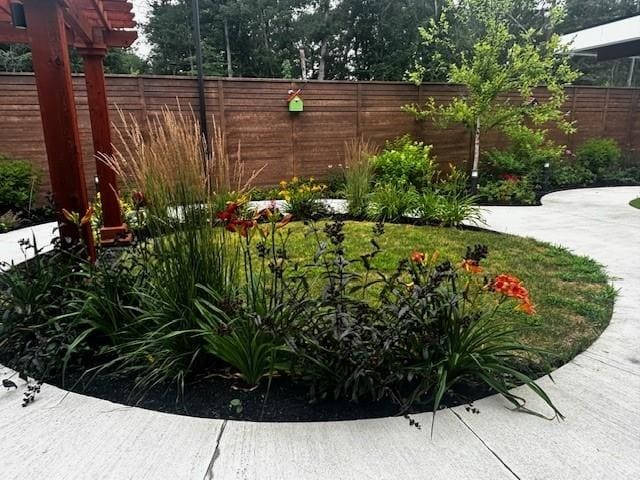
- Sensory garden time: Over 60% of memory care communities offer gardening clubs. At The Cordwainer, residents visit the indoor sensory garden, smelling lavender and rosemary, feeling the textures of lamb’s ear leaves, and watching a small fountain. Raised planting beds are accessible for those using walkers or wheelchairs. The outdoor courtyard garden and protected terrace offer fresh air and secure sunshine walks. Sensory activities like these are both stimulating and calming.
- Everyday tasks: Engaging in familiar, everyday activities fosters a sense of contribution and self worth. Baking blueberry muffins, sorting vintage buttons, or folding soft towels connects residents to their past. A book club or “Ladies’ Tea” discussion can add excitement and encourage social interaction.
Afternoon is also a natural time for family visits. Family members are encouraged to participate in community activities, share meals in the dining room, or gather in The Cordwainer’s private family suite for birthdays and quiet one-on-one time. Social opportunities help maintain relationships and a sense of belonging. Memory care communities often host holiday celebrations and social events for residents and their loved ones.
Evening Activities: Winding Down with Comfort and Calm
As late afternoon transitions to evening, routines are designed to promote sleep and reduce late-day confusion. Residents enjoy dinner at an unhurried pace, choosing comfort foods like baked chicken and mashed potatoes or lighter options. Staff offer cues and gentle assistance while honoring resident choice.
Evening activities are intentionally soothing rather than highly stimulating. A quiet movie or classic television show, soft sing-alongs with familiar music, reading aloud, or simple hand massages with light aromatherapy fill the hours. Calming activities and calming rest periods are essential to manage agitation associated with sundowning. The Cordwainer’s sensory room offers aromatherapy and calming music to ease anxiety and support relaxation.
Staff help residents prepare for bed with bathing, dressing, and medication support, following familiar bedtime routines. Evening routines include calming activities to promote better sleep. Dementia-trained staff remain on-site and awake through the night to respond to needs and give gentle redirection for residents who wake or wander.
How Memory Care Residents Are Supported Throughout the Day
Beyond the hour-by-hour rhythm, several overarching supports shape daily life at a community like The Cordwainer.
- Person-centered care planning: Personalized care plans enhance residents’ sense of belonging. Assessments at move-in, conversations with families about life stories and cultural background, and ongoing updates guide daily routines and communication approaches. Daily schedules balance assistance with independence for memory care residents.
- Dementia-specialized design: The environment is specially designed with secured exits, contrasting colors for depth perception, memory boxes outside suites, and fall-prevention flooring. These features reduce confusion and create a supportive environment.
- Technology and therapy: The Tovertafel light projection system projects interactive games on tables, drawing residents into play and social interaction. Cognitive therapies include reminiscence therapy and sensory stimulation. Pet therapy visits and group activities combat isolation and foster social connections among residents.
- Staff training: Trained professionals on-site around the clock provide reassurance, cueing, and gentle redirection. They encourage residents to participate and maintain a positive attitude throughout the day.
- Family communication: Regular care plan meetings, updates from staff, and educational resources from The Cordwainer’s Resource Hub keep families informed and involved. Memory care programs promote meaningful engagement and emotional health for both the individual and their family.
Family Life, Respite Stays, and Seeing a Day for Yourself
Many families exploring memory care communities for the first time feel both relief and guilt. That is completely normal. Short-term respite care at The Cordwainer allows a loved one to experience a typical day in the memory care community while giving family caregivers a needed break. Respite guests participate fully in daily routines and memory care activities.
The community supports families emotionally through educational sessions and caregiver conversations. The Cordwainer’s Resource Hub offers articles on brain health, music and memory, and sensory engagement. Activities in memory care settings are designed to be simpler and more adaptable, so residents loved ones can see the care in action and feel confident.
Many families are surprised at how joyful and purposeful the five-star experience feels when they visit. Seeing a real day in a memory care community is often the moment when fear gives way to relief.

Frequently Asked Questions About a Day in Memory Care
These FAQs address common questions families still have after reading about a day in the life of a memory care resident.
Can my loved one still sleep in or follow their own daily rhythms?
Yes. While memory care communities offer structure, residents at The Cordwainer are not forced into rigid schedules. Staff encourage natural wake times and adapt morning care accordingly. Certain anchor points like shared meals and medications happen at approximate times for safety, but there is room for personal preferences and quieter days.
How often can family visit, and can we join daily routines or activities?
Families are welcome to visit frequently. The Cordwainer encourages loved ones to join afternoon activities, share meals, or gather in the private family suite for more intimate time. Staff can suggest the best times to visit based on a loved one’s energy patterns.
Will my loved one do the same memory care activities every day?
While certain daily routines repeat for comfort, the life enrichment calendar changes from day to day and month to month. Rotating music programs, new art projects, themed cultural days in Language Discovery, and seasonal use of sensory gardens keep daily life fresh and interesting. Residents engage in structured activities adapted to their abilities and interests.
How do you handle challenging behaviors like agitation or sundowning in the evening?
Staff at The Cordwainer are trained in dementia-specific strategies, including calming routines, music, sensory tools, and gentle redirection. The Alzheimer’s Association recommends structured, pleasant activities and regular sleep habits to help with these challenges. The Cordwainer builds this guidance into its evening activities and bedtime support. Emotional well being is always a priority.
What is the best way for us to see what a real day in memory care looks like?
Schedule a personal tour of The Cordwainer in Norwell. You can observe morning or afternoon activities, walk through the sensory gardens, see suites and common areas, and ask how a day would be customized for your loved one. If you are not ready to visit, explore The Cordwainer’s online Resource Hub or call the team to talk through what a typical day might look like.
Next Step: Experience a Day in Memory Care at The Cordwainer
A day in the life at a memory care community includes gentle mornings, engaging afternoon activities, and calming evening activities, all framed by person-centered dementia care and thoughtful design. Contact The Cordwainer to schedule a tour or conversation. See how the community feels, sounds, and even smells. Watch residents participating in The Learned Environment℠ and enjoying the sensory gardens.
The team is happy to walk you through what a day might look like for your specific loved one, discuss short-term respite options, and share resources from the Resource Hub for families still researching memory care on Boston’s South Shore. You do not have to walk the dementia journey alone. Seeing a real day in a memory care community is often the moment when worry becomes hope.